THE ADVENTURE COLLECTIVE® · Independent discovery and booking for outdoor travel

A four-day hybrid of mountain biking, whitewater rafting, ziplining and trekking that follows Inca paths from Abra Malaga to Machu Picchu. Expect high passes, hot springs, cloud-forest biodiversity and a pre-dawn climb to the citadel.
A four-day hybrid of mountain biking, whitewater rafting, ziplining and trekking that follows Inca paths from Abra Malaga to Machu Picchu. Expect high passes, hot springs, cloud-forest biodiversity and a pre-dawn climb to the citadel.
Dawn at Abra Malaga is thin and bright—the high pass sits above a drop of cloud where mountain bikes line up and the air tastes like cold metal. You push off and the world immediately tilts: a three-hour downhill on a paved Andean road drops from 4,350 m past patchwork fields, rivers and tiny villages to Huamanmarca, where adobe houses and markets feel unchanged by time.
Verified experiences and guided adventures in the surrounding area.
Operated by Conde Travel · Aguas Calientes, Cusco
Dawn at Abra Malaga is thin and bright—the high pass sits above a drop of cloud where mountain bikes line up and the air tastes like cold metal. You push off and the world immediately tilts: a three-hour downhill on a paved Andean road drops from 4,350 m past patchwork fields, rivers and tiny villages to Huamanmarca, where adobe houses and markets feel unchanged by time.
This is the Inca Jungle route: a hybrid of adventure sports and archaeology that threads newly used Inca paths, cloud forest ecology and scattered ruins like Inca Carcel. Geologically the route moves from puna grasslands through the steep, eroded eastern slopes of the Andes into the humid basin that feeds the Urubamba River; expect steep switchbacks, river terraces and dense vegetation heavy with orchids and hummingbirds.
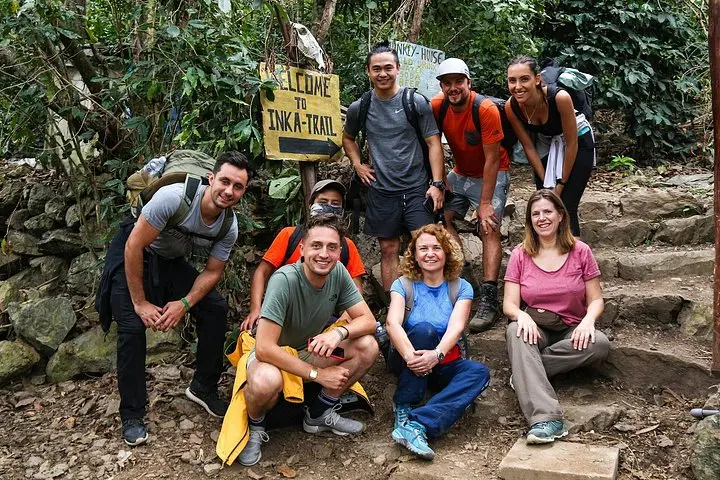
Culture here is local and practical—small communities provide lunches of tubers and fruit, and hot springs at Cocalmayo offer a tired-body reset. The third day slides from zip lines and a suspension bridge near Santa Teresa into a 3‑hour riverside walk along the hydroelectric rail line to Aguas Calientes. The finale is the pre-dawn ascent to Machu Picchu: a demanding 90‑minute climb, then two hours with a guide through the citadel’s stonework.
Practical edge: acclimatize in Cusco for 48 hours, expect variable weather—cold mornings and warm, wet afternoons—and plan layers, good grip footwear, and steady hydration. Guides handle logistics and safety for biking and rafting, but you supply stamina and respect for fragile cloud-forest trails.
The ascent is steep and takes about 90 minutes from Aguas Calientes; allow extra time at altitude and move at a steady pace—porters and buses are available for alternatives.
Activities are guided with safety equipment; basic fitness and confident bike handling are recommended—guides can adjust difficulty for less experienced participants.
Three breakfasts, lunches and dinners are provided; two hotel nights with private bathrooms and one eco-lodge night are included as listed in the itinerary.
Yes—your passport is required on tour day and Machu Picchu entrance is included in this package, but bring the same ID used at booking.
Conde Travel operates guided outdoor trips and adventures with an emphasis on safety, stewardship, and memorable experiences.
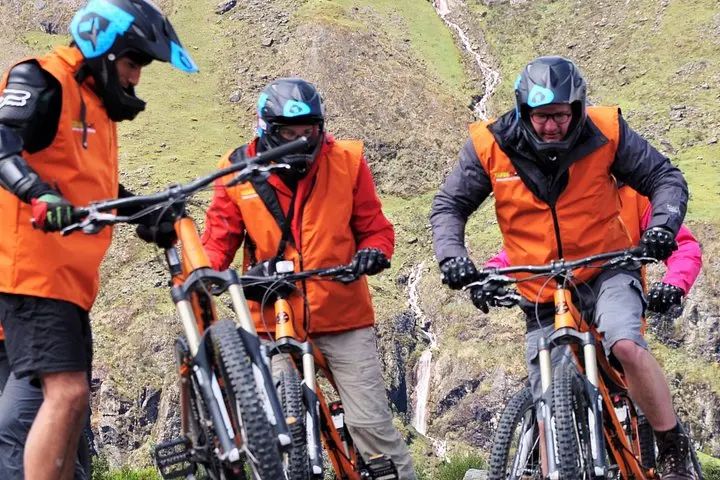
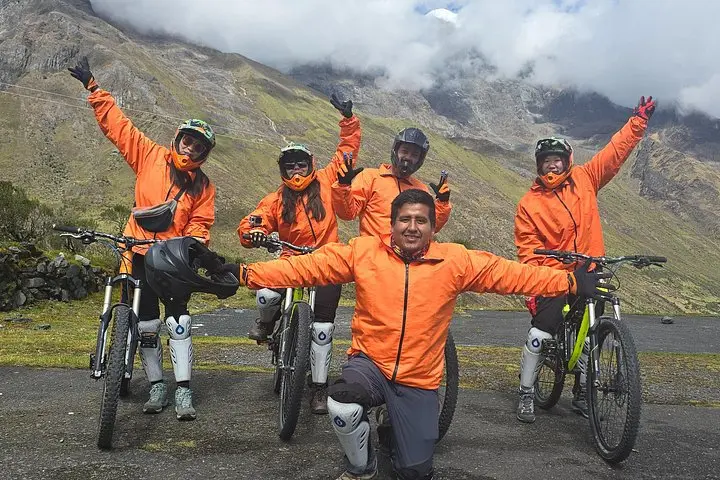
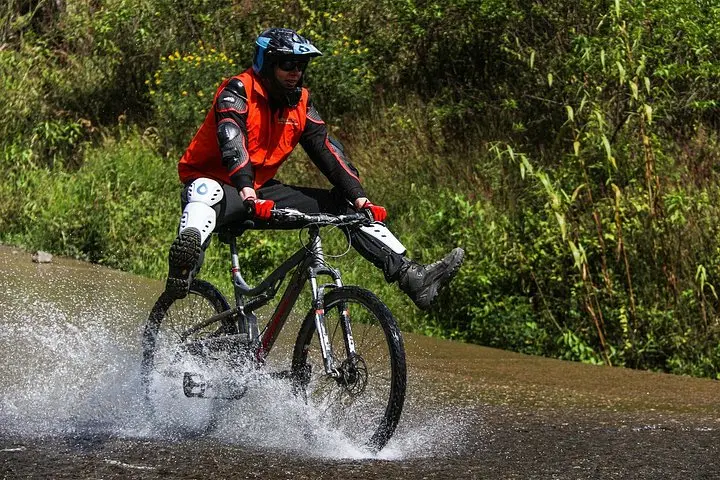
Dawn at Abra Malaga is thin and bright—the high pass sits above a drop of cloud where mountain bikes line up and the air tastes like cold metal. You push off and the world immediately tilts: a three-hour downhill on a paved Andean road drops from 4,350 m past patchwork fields, rivers and tiny villages to Huamanmarca, where adobe houses and markets feel unchanged by time.
Dawn at Abra Malaga is thin and bright—the high pass sits above a drop of cloud where mountain bikes line up and the air tastes like cold metal. You push off and the world immediately tilts: a three-hour downhill on a paved Andean road drops from 4,350 m past patchwork fields, rivers and tiny villages to Huamanmarca, where adobe houses and markets feel unchanged by time.
This is the Inca Jungle route: a hybrid of adventure sports and archaeology that threads newly used Inca paths, cloud forest ecology and scattered ruins like Inca Carcel. Geologically the route moves from puna grasslands through the steep, eroded eastern slopes of the Andes into the humid basin that feeds the Urubamba River; expect steep switchbacks, river terraces and dense vegetation heavy with orchids and hummingbirds.
Culture here is local and practical—small communities provide lunches of tubers and fruit, and hot springs at Cocalmayo offer a tired-body reset. The third day slides from zip lines and a suspension bridge near Santa Teresa into a 3‑hour riverside walk along the hydroelectric rail line to Aguas Calientes. The finale is the pre-dawn ascent to Machu Picchu: a demanding 90‑minute climb, then two hours with a guide through the citadel’s stonework.
Practical edge: acclimatize in Cusco for 48 hours, expect variable weather—cold mornings and warm, wet afternoons—and plan layers, good grip footwear, and steady hydration. Guides handle logistics and safety for biking and rafting, but you supply stamina and respect for fragile cloud-forest trails.