THE ADVENTURE COLLECTIVE® · Independent discovery and booking for outdoor travel

A four-day ride, raft and hike that drops from high Andean passes into cloud forest before delivering you to Machu Picchu. Expect long descents, river days and basic hostels with a chance to soak in hot springs.
A four-day ride, raft and hike that drops from high Andean passes into cloud forest before delivering you to Machu Picchu. Expect long descents, river days and basic hostels with a chance to soak in hot springs.
Dawn in Cusco is thin and brisk; the city lets you go before the tourists arrive. By 7:00 a.m. the group moves toward Abra Málaga, a wind-scoured pass at 4,316 m where guides fit full-suspension bikes and helmets. The descent that follows drops through cloud forest and switchback, the air changing from puna chill to humid green as rivers dare you closer to the valley floor.
Verified experiences and guided adventures in the surrounding area.
Operated by Machupicchu USA · Cusco, Cusco Region
Dawn in Cusco is thin and brisk; the city lets you go before the tourists arrive. By 7:00 a.m. the group moves toward Abra Málaga, a wind-scoured pass at 4,316 m where guides fit full-suspension bikes and helmets. The descent that follows drops through cloud forest and switchback, the air changing from puna chill to humid green as rivers dare you closer to the valley floor.
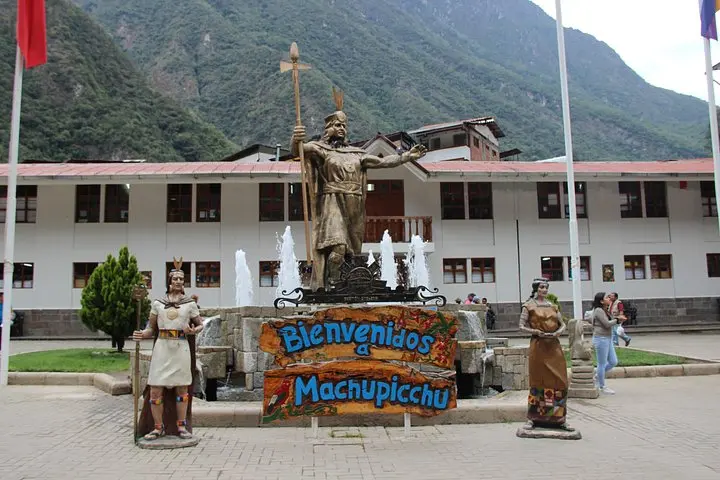
This route stitches together Inca-era footpaths, railway corridors and modern adventure lines. Geologically, the trail slices the eastern Andes into a mosaic of limestone cliffs, alluvial terraces and steep river gorges; ecologically, it shifts from high-altitude grassland to subtropical cloud forest where coffee, citrus and coca grow. Culturally the corridor has served local Quechua communities for centuries and now funnels travelers toward Aguas Calientes and the stone citadel that once anchored the Inca world.
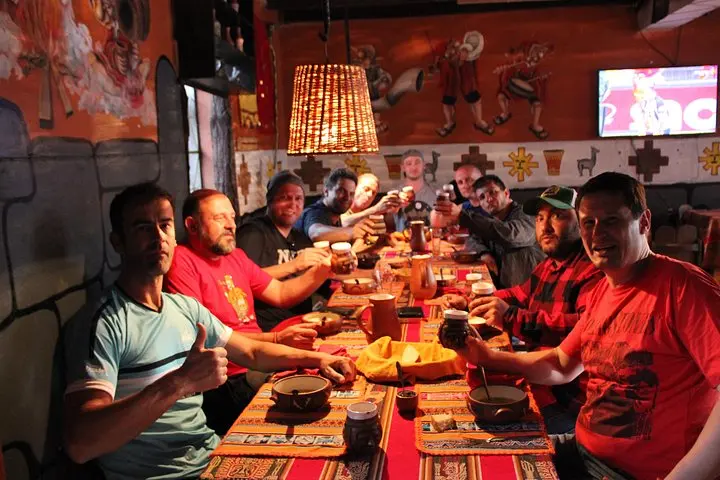
Practical rhythm: Day 1 is a roughly 55 km downhill bike (3 hours riding) to Santa María, with an optional rafting segment (Class III–IV) at the river. Day 2 is a mid-length walk to Cocalmayo’s thermal pools; Day 3 follows the river to Hydroelectrica (≈3 hours) then a 3-hour walk to Aguas Calientes; Day 4 is a 1.5-hour climb to Machu Picchu for a guided 1.5-hour visit, then train back. Expect basic hostels, three meals daily and bike/helmet/gloves supplied.
Prepare for altitude swings, muddy trail sections and heat in the lower valleys. Bring layered clothing, high-traction shoes, sun protection and your passport for Machu Picchu entry — the trail moves fast, but it rewards with raw scenery and the primal pull of the citadel above the Urubamba.
Basic mountain-biking skills (braking, cornering) are recommended; guides coach less-experienced riders but sections are steep and technical.
Yes—Abra Málaga is over 4,300 m; acclimatization in Cusco and steady hydration lower symptoms, but those with serious heart or respiratory conditions should not participate.
The package includes Machu Picchu entrance and the train from Aguas Calientes to Ollantaytambo; bring your passport for checkpoint verification.
Yes—optional activities such as zipline or rafting can usually be skipped, but inform the operator in advance so logistics and transfers can be adjusted.
Machupicchu USA operates guided outdoor trips and adventures with an emphasis on safety, stewardship, and memorable experiences.
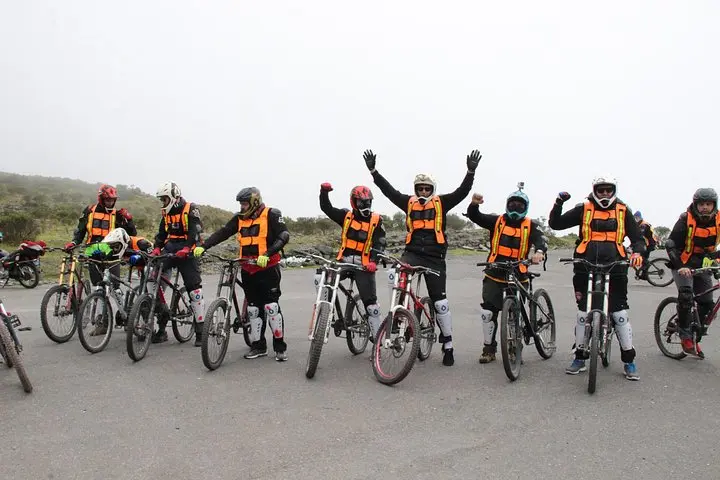
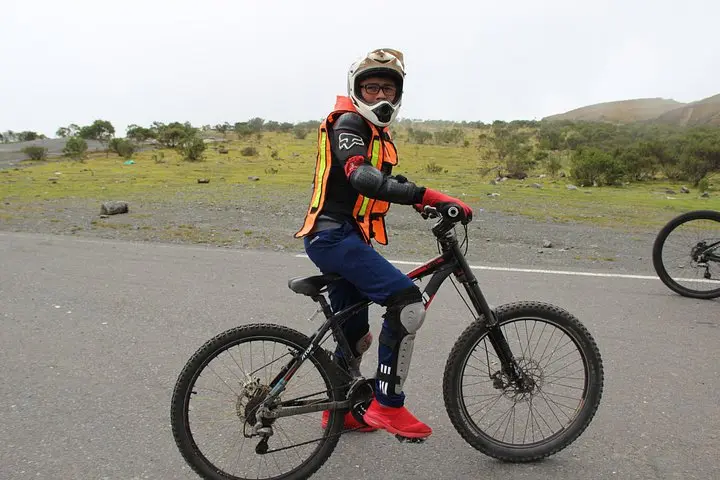
Dawn in Cusco is thin and brisk; the city lets you go before the tourists arrive. By 7:00 a.m. the group moves toward Abra Málaga, a wind-scoured pass at 4,316 m where guides fit full-suspension bikes and helmets. The descent that follows drops through cloud forest and switchback, the air changing from puna chill to humid green as rivers dare you closer to the valley floor.
Dawn in Cusco is thin and brisk; the city lets you go before the tourists arrive. By 7:00 a.m. the group moves toward Abra Málaga, a wind-scoured pass at 4,316 m where guides fit full-suspension bikes and helmets. The descent that follows drops through cloud forest and switchback, the air changing from puna chill to humid green as rivers dare you closer to the valley floor.
This route stitches together Inca-era footpaths, railway corridors and modern adventure lines. Geologically, the trail slices the eastern Andes into a mosaic of limestone cliffs, alluvial terraces and steep river gorges; ecologically, it shifts from high-altitude grassland to subtropical cloud forest where coffee, citrus and coca grow. Culturally the corridor has served local Quechua communities for centuries and now funnels travelers toward Aguas Calientes and the stone citadel that once anchored the Inca world.
Practical rhythm: Day 1 is a roughly 55 km downhill bike (3 hours riding) to Santa María, with an optional rafting segment (Class III–IV) at the river. Day 2 is a mid-length walk to Cocalmayo’s thermal pools; Day 3 follows the river to Hydroelectrica (≈3 hours) then a 3-hour walk to Aguas Calientes; Day 4 is a 1.5-hour climb to Machu Picchu for a guided 1.5-hour visit, then train back. Expect basic hostels, three meals daily and bike/helmet/gloves supplied.
Prepare for altitude swings, muddy trail sections and heat in the lower valleys. Bring layered clothing, high-traction shoes, sun protection and your passport for Machu Picchu entry — the trail moves fast, but it rewards with raw scenery and the primal pull of the citadel above the Urubamba.