THE ADVENTURE COLLECTIVE® · Independent discovery and booking for outdoor travel

Ride down from the high puna into cloud forest, trek classic Inca trail fragments and finish with sunrise at Machu Picchu on this four-day Inca Jungle route. Expect long days, varied terrain and dramatic climatic shifts.
Ride down from the high puna into cloud forest, trek classic Inca trail fragments and finish with sunrise at Machu Picchu on this four-day Inca Jungle route. Expect long days, varied terrain and dramatic climatic shifts.
A slate-blue pre-dawn hangs over Cusco as the tour van pushes out through the Sacred Valley toward the Malaga Pass. At 4,350 meters the air is thin and cold; within hours the route drops through puna into humid cloud forest as cyclists and walkers trade windburn for humidity. The first day’s 55 km descent to Wamanmarca is largely off-road—rocky tracks, river crossings and switchbacks—before transport takes the group to Santa Maria.
Verified experiences and guided adventures in the surrounding area.
Operated by Inca Path Tour Operator · Cusco, Cusco Region
A slate-blue pre-dawn hangs over Cusco as the tour van pushes out through the Sacred Valley toward the Malaga Pass. At 4,350 meters the air is thin and cold; within hours the route drops through puna into humid cloud forest as cyclists and walkers trade windburn for humidity. The first day’s 55 km descent to Wamanmarca is largely off-road—rocky tracks, river crossings and switchbacks—before transport takes the group to Santa Maria.
The route threads historical layers: pre-Columbian terraces above Ollantaytambo, original Inca trail sections near Qellomayu, and the railway corridor later used by industry and explorers. Geologically the Andes give way to steep, eroded escarpments that funnel moisture into the Vilcanota/Urubamba watershed; biologically that transition spawns coca, coffee and cacao farms you pass on day two.
Practical planning matters. Expect mixed terrain—singletrack, dirt road and a long section along train tracks—plus a 7–8 hour trekking day ending at thermal springs in Santa Teresa. Day three follows a riverside hike to the Hidroeléctrica and then the tracks into Aguas Calientes; arrive with good shoes and layered clothing. For the Machu Picchu sunrise, plan a 4:20 a.m. start for the 90-minute ascent to the citadel, and book Huayna Picchu in advance if you want that summit.
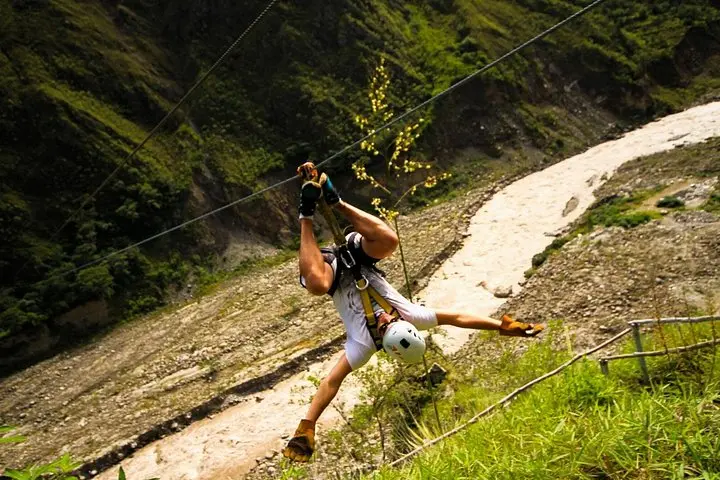
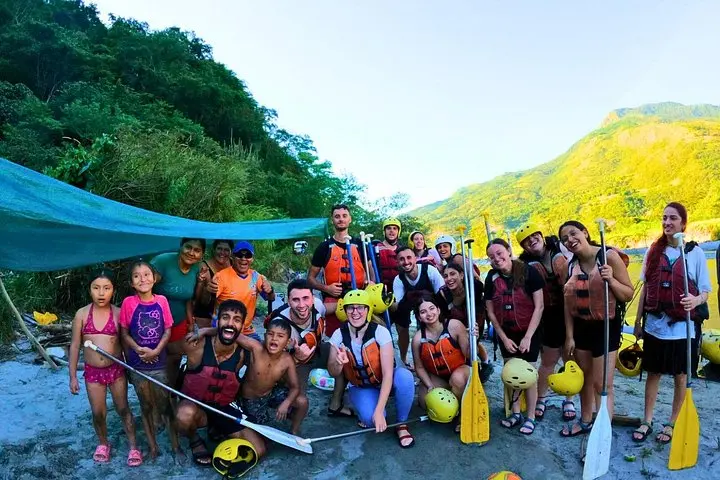
Hydrate and acclimatize in Cusco for 24–48 hours if possible, prioritize breathable rain gear during the wet season, and carry cash for optional ziplines or rafting. Trains back to Ollantaytambo and the connecting bus to Cusco are included in the package, making logistics straightforward after the final visit to the ruins.
Physically fit first-time trekkers can do it, but prior multi-hour hikes or cycling experience and proper acclimatization are recommended.
Machu Picchu entry is included; Huayna Picchu has limited permits and an extra fee—book ahead to secure a slot.
Highest point is Malaga Pass (~4,350 m); Machu Picchu sits at ~2,450 m—altitude varies significantly so acclimatize and monitor symptoms.
Most meals (3 breakfasts, lunches and dinners) and key transport like train from Aguas Calientes to Ollantaytambo and bus to Cusco are included as described in the itinerary.
Inca Path Tour Operator operates guided outdoor trips and adventures with an emphasis on safety, stewardship, and memorable experiences.
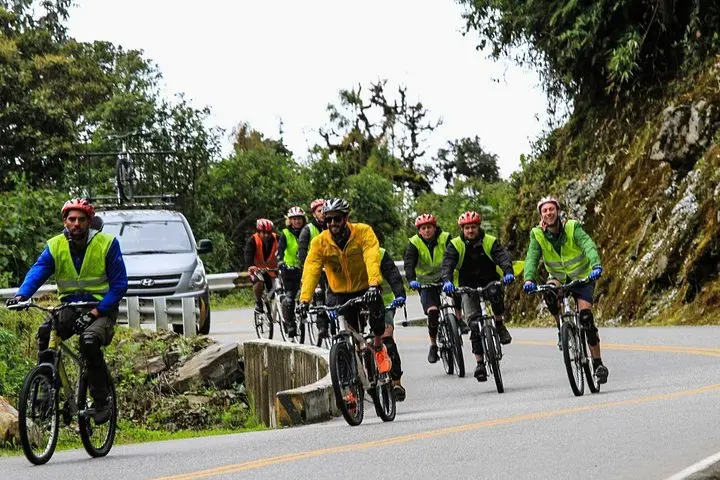
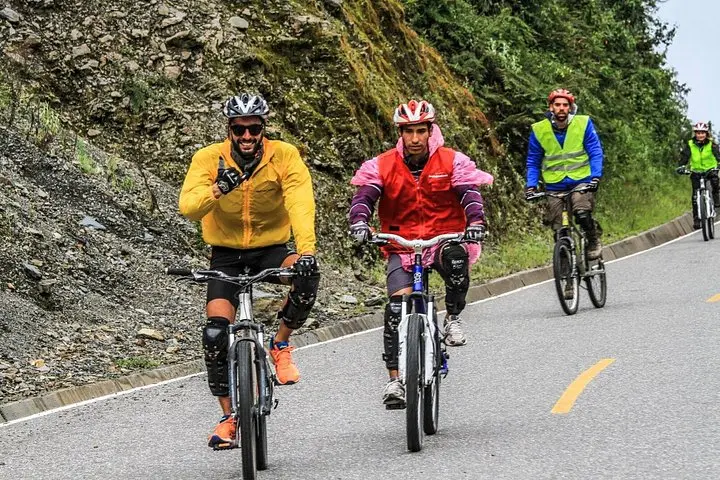
A slate-blue pre-dawn hangs over Cusco as the tour van pushes out through the Sacred Valley toward the Malaga Pass. At 4,350 meters the air is thin and cold; within hours the route drops through puna into humid cloud forest as cyclists and walkers trade windburn for humidity. The first day’s 55 km descent to Wamanmarca is largely off-road—rocky tracks, river crossings and switchbacks—before transport takes the group to Santa Maria.
A slate-blue pre-dawn hangs over Cusco as the tour van pushes out through the Sacred Valley toward the Malaga Pass. At 4,350 meters the air is thin and cold; within hours the route drops through puna into humid cloud forest as cyclists and walkers trade windburn for humidity. The first day’s 55 km descent to Wamanmarca is largely off-road—rocky tracks, river crossings and switchbacks—before transport takes the group to Santa Maria.
The route threads historical layers: pre-Columbian terraces above Ollantaytambo, original Inca trail sections near Qellomayu, and the railway corridor later used by industry and explorers. Geologically the Andes give way to steep, eroded escarpments that funnel moisture into the Vilcanota/Urubamba watershed; biologically that transition spawns coca, coffee and cacao farms you pass on day two.
Practical planning matters. Expect mixed terrain—singletrack, dirt road and a long section along train tracks—plus a 7–8 hour trekking day ending at thermal springs in Santa Teresa. Day three follows a riverside hike to the Hidroeléctrica and then the tracks into Aguas Calientes; arrive with good shoes and layered clothing. For the Machu Picchu sunrise, plan a 4:20 a.m. start for the 90-minute ascent to the citadel, and book Huayna Picchu in advance if you want that summit.
Hydrate and acclimatize in Cusco for 24–48 hours if possible, prioritize breathable rain gear during the wet season, and carry cash for optional ziplines or rafting. Trains back to Ollantaytambo and the connecting bus to Cusco are included in the package, making logistics straightforward after the final visit to the ruins.