THE ADVENTURE COLLECTIVE® · Independent discovery and booking for outdoor travel

A four-day, 42 km route from Km 82 to Machu Picchu that combines high-altitude effort, Inca archaeology, and cloud-forest ecology. This guide covers what to expect on the trail, practical preparation, and on-trail logistics.
A four-day, 42 km route from Km 82 to Machu Picchu that combines high-altitude effort, Inca archaeology, and cloud-forest ecology. This guide covers what to expect on the trail, practical preparation, and on-trail logistics.
Dawn breaks over Cusco and the minivan pushes through Andean light toward Km 82 — the railway marker where the classic Inca Trail begins. Cold air bites at 3,000+ metres, and the path immediately threads between terraces and cloud-shrouded ridges. Over four days you move with purpose: steady climbs, archaeological outposts, and camps pitched where stars feel close enough to touch.
Verified experiences and guided adventures in the surrounding area.
Operated by Andino Tours Peru · Cusco, Cusco
Dawn breaks over Cusco and the minivan pushes through Andean light toward Km 82 — the railway marker where the classic Inca Trail begins. Cold air bites at 3,000+ metres, and the path immediately threads between terraces and cloud-shrouded ridges. Over four days you move with purpose: steady climbs, archaeological outposts, and camps pitched where stars feel close enough to touch.
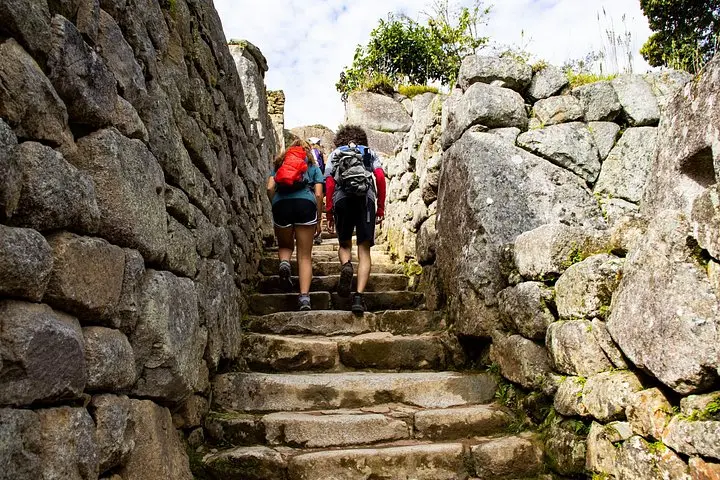
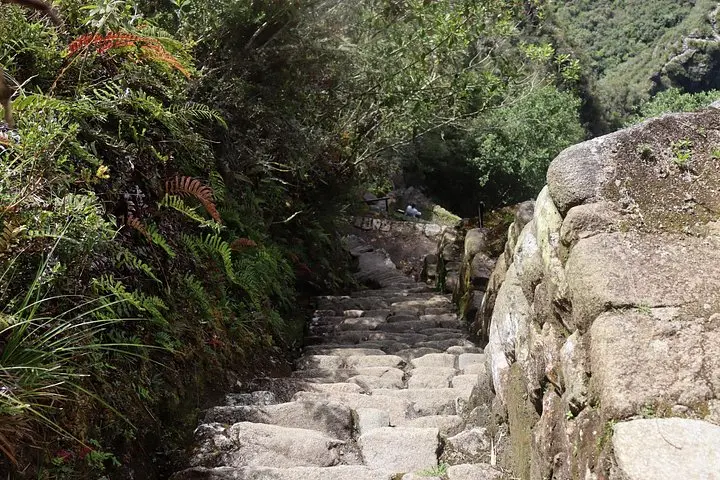
The Inca Trail follows one of the most engineered roads of the pre-Columbian Andes, a stone spine that once linked administrative centers to royal estates. Geology alternates between fragile volcanic soils and hard granodiorite steps carved by Inca masons; culture surfaces regularly in the form of stone shrines, agriculture terraces, and the guide’s explanations of Inca logistics and water control.
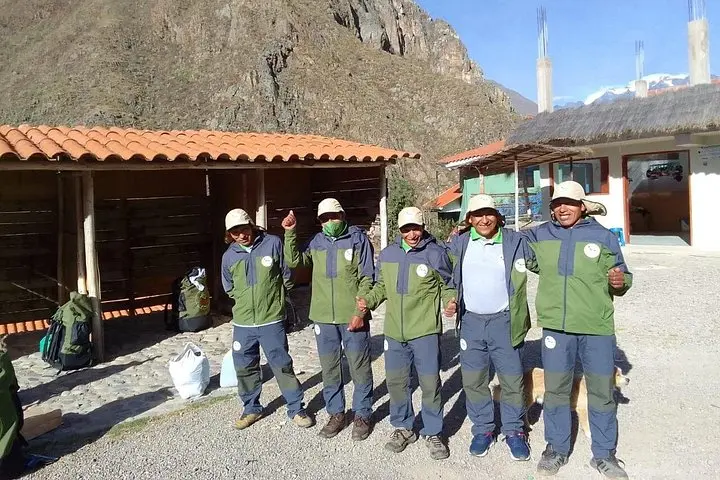
Expect long uphill efforts to the high pass — Warmiwañuska (Dead Woman’s Pass) at about 4,200 m — followed by rewardingly rugged descents and cloud forest microclimates where hummingbirds and orchids animate the air. Camps are basic but well-managed: tents, cooked meals, and porters who shoulder the gear.
Practically, acclimatize in Cusco for 48–72 hours, carry a 6 kg duffel limit for porters, and bring layered clothing for pre-dawn chills and wet afternoons. Hydrate deliberately and use trekking poles for technical descents. Permits are limited and often booked in advance; expect a guided group rhythm, early starts, and a final sunrise arrival at the Sun Gate overlooking Machu Picchu.
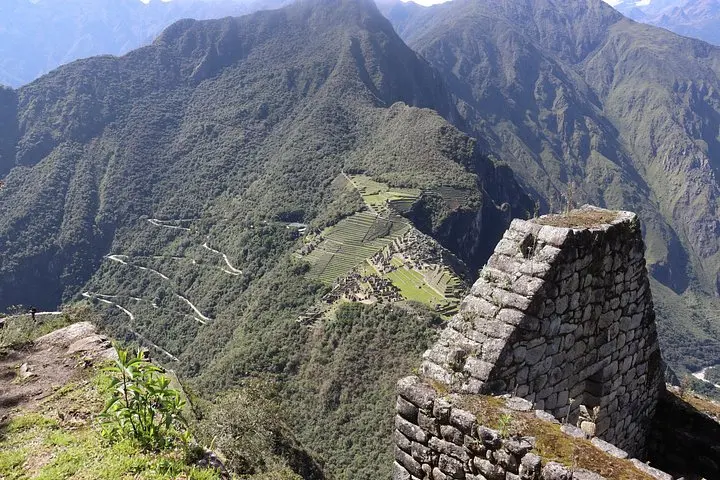
This trek is as much about sustained altitude endurance as it is scenery — prepare physically, respect the trail’s regulations, and reward yourself with Machu Picchu’s unfolding terraces at day’s end.
Yes — all trekkers require an official Inca Trail permit and Machu Picchu entry ticket; guides secure permits and they often sell out well in advance.
The route reaches about 4,200 m at its highest point; altitude can cause headaches and breathlessness — acclimatization and steady pacing are crucial.
Three nights of camping with tents provided; groups share campsite facilities and guides/porters handle cooking and camp setup.
Yes, but these additional summit tickets are limited and should be booked ahead; discuss options with your operator during reservation.
Andino Tours Peru operates guided outdoor trips and adventures with an emphasis on safety, stewardship, and memorable experiences.
Dawn breaks over Cusco and the minivan pushes through Andean light toward Km 82 — the railway marker where the classic Inca Trail begins. Cold air bites at 3,000+ metres, and the path immediately threads between terraces and cloud-shrouded ridges. Over four days you move with purpose: steady climbs, archaeological outposts, and camps pitched where stars feel close enough to touch.
Dawn breaks over Cusco and the minivan pushes through Andean light toward Km 82 — the railway marker where the classic Inca Trail begins. Cold air bites at 3,000+ metres, and the path immediately threads between terraces and cloud-shrouded ridges. Over four days you move with purpose: steady climbs, archaeological outposts, and camps pitched where stars feel close enough to touch.
The Inca Trail follows one of the most engineered roads of the pre-Columbian Andes, a stone spine that once linked administrative centers to royal estates. Geology alternates between fragile volcanic soils and hard granodiorite steps carved by Inca masons; culture surfaces regularly in the form of stone shrines, agriculture terraces, and the guide’s explanations of Inca logistics and water control.
Expect long uphill efforts to the high pass — Warmiwañuska (Dead Woman’s Pass) at about 4,200 m — followed by rewardingly rugged descents and cloud forest microclimates where hummingbirds and orchids animate the air. Camps are basic but well-managed: tents, cooked meals, and porters who shoulder the gear.
Practically, acclimatize in Cusco for 48–72 hours, carry a 6 kg duffel limit for porters, and bring layered clothing for pre-dawn chills and wet afternoons. Hydrate deliberately and use trekking poles for technical descents. Permits are limited and often booked in advance; expect a guided group rhythm, early starts, and a final sunrise arrival at the Sun Gate overlooking Machu Picchu.
This trek is as much about sustained altitude endurance as it is scenery — prepare physically, respect the trail’s regulations, and reward yourself with Machu Picchu’s unfolding terraces at day’s end.