THE ADVENTURE COLLECTIVE® · Independent discovery and booking for outdoor travel

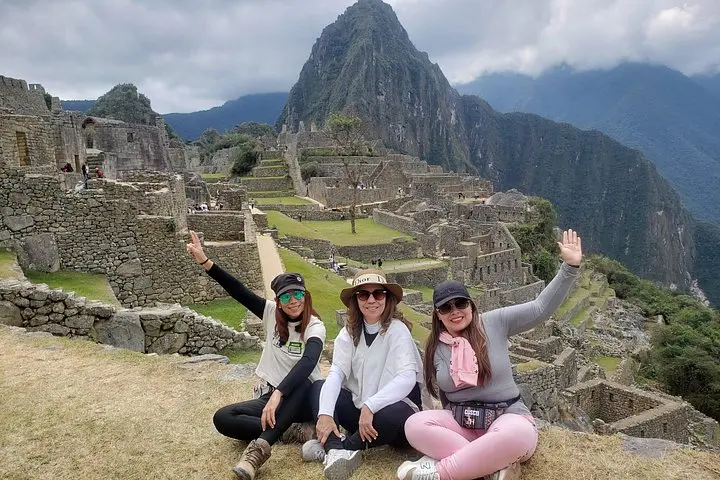
A four-day journey along the classic Inca Trail delivers high mountain passes, remote Inca ruins and a sunrise arrival at Machu Picchu. This guide explains the trail’s terrain, cultural highlights and practical planning tips so you can prepare for a challenging, unforgettable trek.
A four-day journey along the classic Inca Trail delivers high mountain passes, remote Inca ruins and a sunrise arrival at Machu Picchu. This guide explains the trail’s terrain, cultural highlights and practical planning tips so you can prepare for a challenging, unforgettable trek.
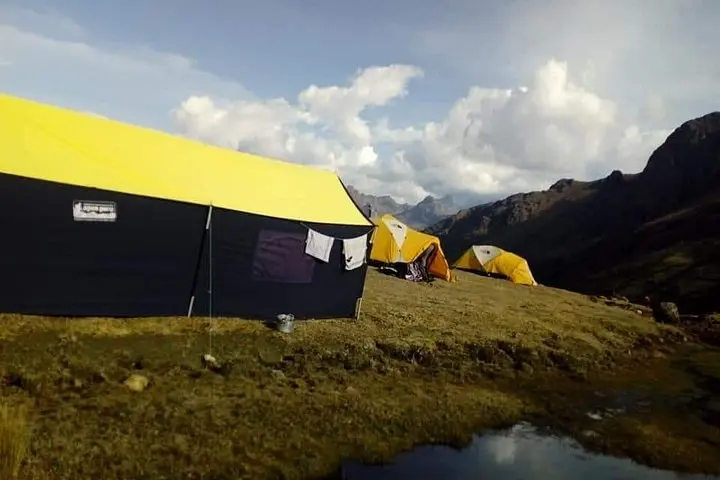
Dawn light slices the Vilcanota Valley as you step onto the classic Inca Trail—dusty steps, cloud-scoured ridgelines and the river far below daring you to keep pace. The first day winds from the Urubamba corridor into high puna, carrying you past stone settlements where llamas graze and porters set up a compact, efficient camp.
Verified experiences and guided adventures in the surrounding area.
Operated by Inca Path Tour Operator · Ollantaytambo, Cusco
Dawn light slices the Vilcanota Valley as you step onto the classic Inca Trail—dusty steps, cloud-scoured ridgelines and the river far below daring you to keep pace. The first day winds from the Urubamba corridor into high puna, carrying you past stone settlements where llamas graze and porters set up a compact, efficient camp.
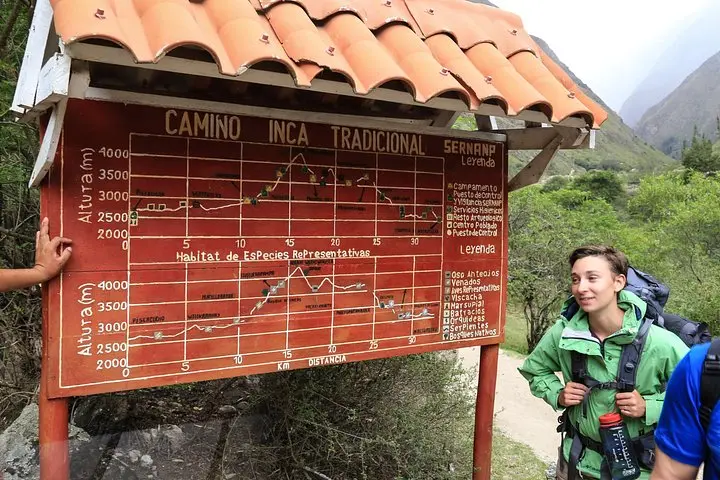
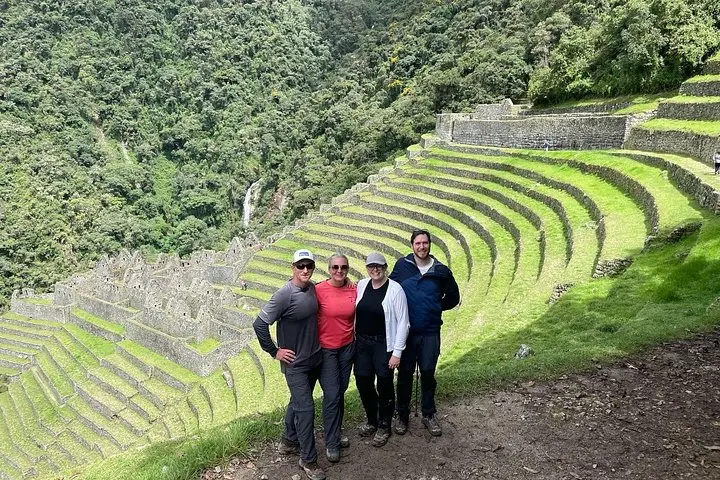
The Inca Trail is a living fragment of the Qhapaq Ñan, the imperial road network that linked the Andes. Geologically the route moves from low cloud forest into glaciated highlands; the trail climbs nearly 1,500 metres to the Warmiwañusca pass, where wind and cold shape the landscape. Culturally you're walking through engineered agricultural terraces, ceremonial platforms and watchtowers—sites such as Patallacta, Runcurakay and Wiñaywayna reveal administrative and religious layers of Inca life.
On the practical side: the itinerary covers about 45 km over four days with rocky steps, muddy stretches in the wet season and steep ascents that reward steady pacing. Expect early mornings, communal meals cooked by the trekking crew, and campsite logistics handled by porters. Acclimatize in Cusco for at least two nights beforehand, carry layered clothing for sudden weather shifts, and bring a headlamp for the pre-dawn push to Inti Punku (Sun Gate).
Permits are limited—book months ahead—and choose a licensed operator that provides tents, sleeping mats and trained guides. Respect fragile archaeological sites, pack out waste where required, and tip porters fairly; doing so keeps the trail open and its heritage intact.
Yes—entry permits are required and limited; they must be booked through an authorized tour operator well in advance.
Warmiwañusca (≈4,200 m) is steep with many stone steps; steady pacing and prior acclimatization make it manageable for fit hikers.
Licensed operators typically supply porters, cooks, tents, sleeping mats and meals—confirm inclusions before booking.
Beginners with good fitness and acclimatization can complete it, but the route is strenuous and not recommended without preparation.
Inca Path Tour Operator operates guided outdoor trips and adventures with an emphasis on safety, stewardship, and memorable experiences.
Dawn light slices the Vilcanota Valley as you step onto the classic Inca Trail—dusty steps, cloud-scoured ridgelines and the river far below daring you to keep pace. The first day winds from the Urubamba corridor into high puna, carrying you past stone settlements where llamas graze and porters set up a compact, efficient camp.
Dawn light slices the Vilcanota Valley as you step onto the classic Inca Trail—dusty steps, cloud-scoured ridgelines and the river far below daring you to keep pace. The first day winds from the Urubamba corridor into high puna, carrying you past stone settlements where llamas graze and porters set up a compact, efficient camp.
The Inca Trail is a living fragment of the Qhapaq Ñan, the imperial road network that linked the Andes. Geologically the route moves from low cloud forest into glaciated highlands; the trail climbs nearly 1,500 metres to the Warmiwañusca pass, where wind and cold shape the landscape. Culturally you're walking through engineered agricultural terraces, ceremonial platforms and watchtowers—sites such as Patallacta, Runcurakay and Wiñaywayna reveal administrative and religious layers of Inca life.
On the practical side: the itinerary covers about 45 km over four days with rocky steps, muddy stretches in the wet season and steep ascents that reward steady pacing. Expect early mornings, communal meals cooked by the trekking crew, and campsite logistics handled by porters. Acclimatize in Cusco for at least two nights beforehand, carry layered clothing for sudden weather shifts, and bring a headlamp for the pre-dawn push to Inti Punku (Sun Gate).
Permits are limited—book months ahead—and choose a licensed operator that provides tents, sleeping mats and trained guides. Respect fragile archaeological sites, pack out waste where required, and tip porters fairly; doing so keeps the trail open and its heritage intact.