THE ADVENTURE COLLECTIVE® · Independent discovery and booking for outdoor travel

A condensed Inca Trail experience that starts at Km 104 and leads to Wiñay Wayna and Machu Picchu over five days. Ideal for travelers wanting a shorter trek with hotel stays and guided logistics.
A condensed Inca Trail experience that starts at Km 104 and leads to Wiñay Wayna and Machu Picchu over five days. Ideal for travelers wanting a shorter trek with hotel stays and guided logistics.
A cool highland light hits the stone steps as you start at Kilometer 104, the Andean air pressing gently against your lungs and the river below daring you onward.
Verified experiences and guided adventures in the surrounding area.
Operated by Valencia Travel Agency S.a.c. · Aguas Calientes (Machu Picchu Pueblo), Cusco Region
A cool highland light hits the stone steps as you start at Kilometer 104, the Andean air pressing gently against your lungs and the river below daring you onward.
This five-day itinerary compresses the short Inca Trail experience into a manageable trek that culminates at Machu Picchu. Beginning with a scenic train from Cusco to Km 104, you hike through cloud forest, cross Inca stairways and terraces, and reach Wiñay Wayna (2,680 m), a striking riverside complex of agricultural terraces and finely cut stone.
The route sits on volcanic and sedimentary geology carved by the Urubamba River; the Incas capitalized on microclimates here to farm maize and potatoes. Culturally, the trail threads together Quechua-speaking communities, living Inca-era irrigation canals, and colonial-era towns like Ollantaytambo, whose narrow streets still channel mountain runoff.
Practically: expect alternating steep stone steps and mellow paths, brief high-altitude exposure above 2,500–3,400 m, and variable weather—sun, drizzle, and mist are all possible in a single day. Guides handle logistics: train transfers, permits, and Machu Picchu entrance, and accommodations are hotel-based rather than camping.
To prepare, spend a few days in Cusco to acclimatize, use sturdy boots with good tread for slippery stone, and carry layered clothing for cold mornings and warm afternoons. Bring water, sunscreen, and a small first-aid kit. Time your return trains and buses carefully—connections are fixed and missing one can add hours to your trip.
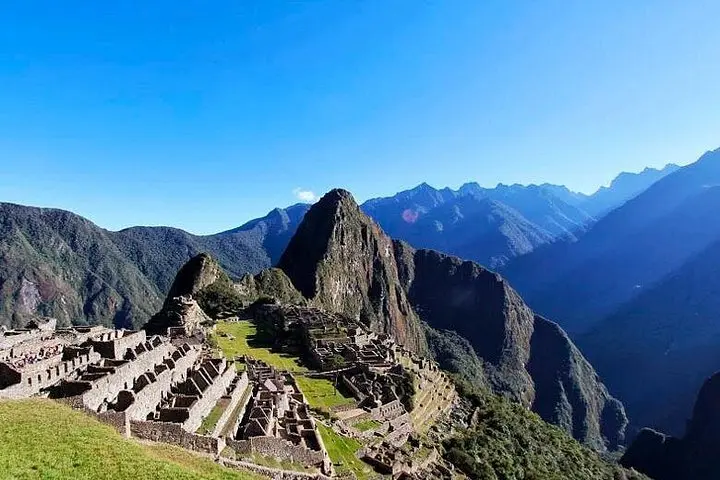
The trail rewards steady pace and attention: expansive valley views, terraces clinging to cliffs, and the slow reveal of Machu Picchu that makes the whole climb worth the effort.
Yes—permits for the Inca Trail and Machu Picchu entry are restricted and typically handled by the tour operator; book well in advance.
Cusco sits near 3,400 m, and trail sections reach 2,680 m; mild symptoms are common—acclimatize, hydrate, and inform guides if you feel unwell.
No—this express itinerary uses hotels in Cusco and Aguas Calientes rather than multi-night camping on the classic four-day trail.
Large luggage is usually transported separately by train services; bring a small daypack for items needed on the hike and follow operator luggage limits.
Valencia Travel Agency S.a.c. operates guided outdoor trips and adventures with an emphasis on safety, stewardship, and memorable experiences.
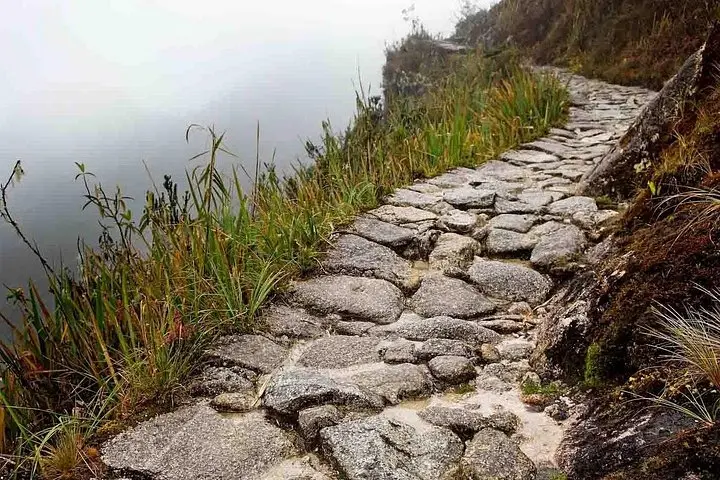
A cool highland light hits the stone steps as you start at Kilometer 104, the Andean air pressing gently against your lungs and the river below daring you onward.
A cool highland light hits the stone steps as you start at Kilometer 104, the Andean air pressing gently against your lungs and the river below daring you onward.
This five-day itinerary compresses the short Inca Trail experience into a manageable trek that culminates at Machu Picchu. Beginning with a scenic train from Cusco to Km 104, you hike through cloud forest, cross Inca stairways and terraces, and reach Wiñay Wayna (2,680 m), a striking riverside complex of agricultural terraces and finely cut stone.
The route sits on volcanic and sedimentary geology carved by the Urubamba River; the Incas capitalized on microclimates here to farm maize and potatoes. Culturally, the trail threads together Quechua-speaking communities, living Inca-era irrigation canals, and colonial-era towns like Ollantaytambo, whose narrow streets still channel mountain runoff.
Practically: expect alternating steep stone steps and mellow paths, brief high-altitude exposure above 2,500–3,400 m, and variable weather—sun, drizzle, and mist are all possible in a single day. Guides handle logistics: train transfers, permits, and Machu Picchu entrance, and accommodations are hotel-based rather than camping.
To prepare, spend a few days in Cusco to acclimatize, use sturdy boots with good tread for slippery stone, and carry layered clothing for cold mornings and warm afternoons. Bring water, sunscreen, and a small first-aid kit. Time your return trains and buses carefully—connections are fixed and missing one can add hours to your trip.
The trail rewards steady pace and attention: expansive valley views, terraces clinging to cliffs, and the slow reveal of Machu Picchu that makes the whole climb worth the effort.