THE ADVENTURE COLLECTIVE® · Independent discovery and booking for outdoor travel

Ride from Little Petra through hidden canyons to the Monastery on a private half-day horseback tour. Expect steep carved stairs, panoramic ridgeline views and a mix of riding and walking on historical back trails.
Ride from Little Petra through hidden canyons to the Monastery on a private half-day horseback tour. Expect steep carved stairs, panoramic ridgeline views and a mix of riding and walking on historical back trails.
A dusty saddle creaks and the canyon walls close in as you leave Little Petra behind, horses picking their way along tracks cut into rose-red sandstone. The air tastes of dry rock and distant herbs; cliffs angle like pages of an open book while the trail climbs toward Al Dayr — the Monastery — which dominates the high ridge with a stern, carved face.
Verified experiences and guided adventures in the surrounding area.
Operated by Desert Wolf Horse Riding · Wadi Musa, Ma'an
A dusty saddle creaks and the canyon walls close in as you leave Little Petra behind, horses picking their way along tracks cut into rose-red sandstone. The air tastes of dry rock and distant herbs; cliffs angle like pages of an open book while the trail climbs toward Al Dayr — the Monastery — which dominates the high ridge with a stern, carved face.
This route threads Nabataean history and Byzantine reuse: rock-cut façades, colonnaded streets, and the Royal Tombs bear marks of trade, carving techniques and centuries of weathering in Jordan’s sandstone. Geology here is obvious — soft, layered sandstone sculpted by wind and rain into the vivid tones that make Petra visually immediate. Culturally, the route links Little Petra’s quieter village ruins to the ceremonial heart of the ancient city; local Bedouin guides have long kept routes and stories alive.
Practical guidance: expect a private ride with sections on foot. The itinerary includes Little Petra, Dabdabah Road, a canyon approach through Asiq al-Bared, then roughly 800 carved steps to the Monastery — plan for five to six hours total. Bring plenty of water, sturdy closed-toe shoes for steep stairs, sun protection, and modest clothing respectful of local customs. Petra entry is required separately; confirm meeting point at the visitor center and tell your operator about any mobility or pregnancy concerns.
Timing your ride for morning light reduces heat and gives softer photos; keep cameras secure on the saddle and move deliberately on narrow paths. The backroad route offers a quieter, higher-angle view of Wadi Araba and the West Bank ridgelines — an intense, tactile way to experience Petra beyond the typical walk-through.
No — the tour does not include Petra park admission; purchase tickets separately before arrival to avoid queues.
The climb involves approximately 800 stone steps and can take 30–45 minutes from the top of the trail; moderate fitness is required.
Horses are typically calm and handled by guides, but riders should be comfortable with basic riding and follow the guide’s instructions.
You should disclose mobility limits and special requirements at booking; the operator notes the tour isn’t recommended for those with spinal, cardiac, or pregnancy concerns.
Desert Wolf Horse Riding operates guided outdoor trips and adventures with an emphasis on safety, stewardship, and memorable experiences.
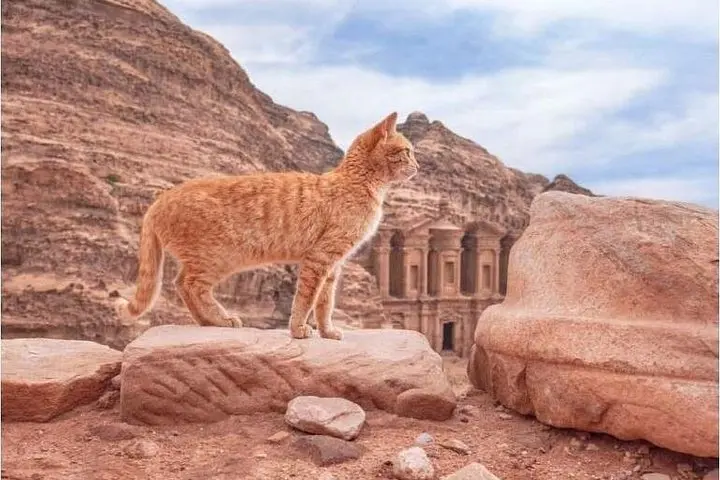
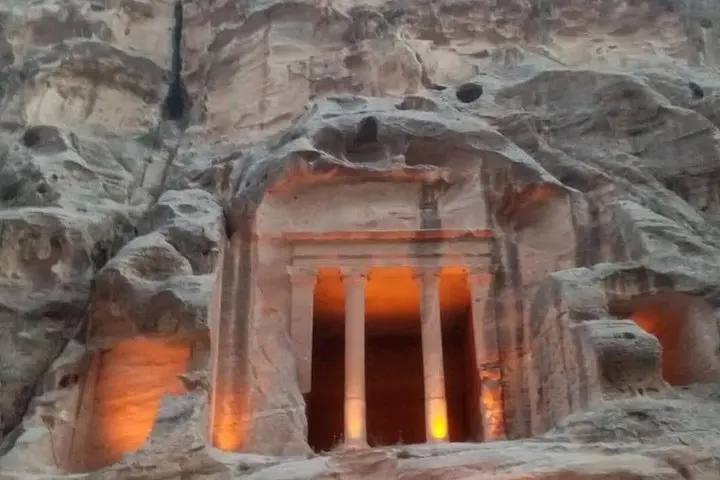
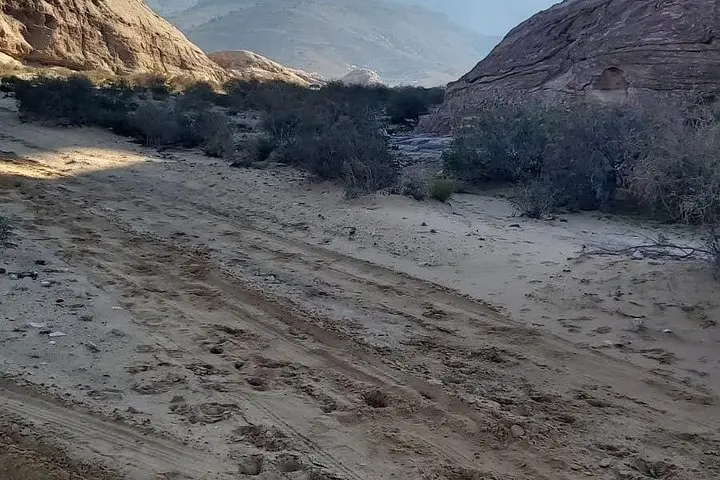
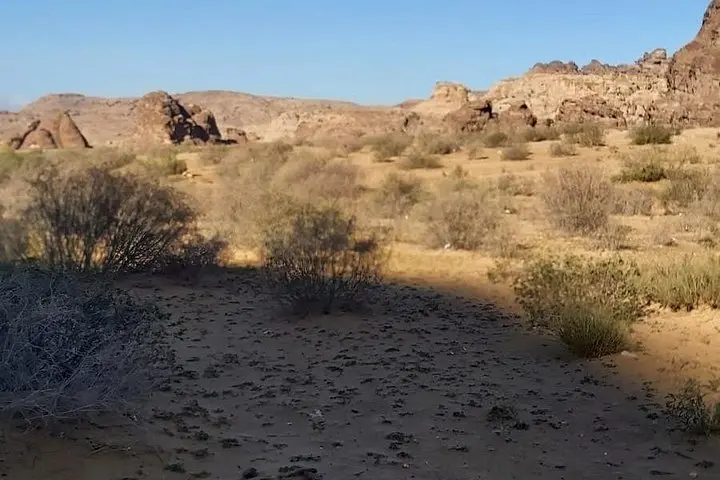
A dusty saddle creaks and the canyon walls close in as you leave Little Petra behind, horses picking their way along tracks cut into rose-red sandstone. The air tastes of dry rock and distant herbs; cliffs angle like pages of an open book while the trail climbs toward Al Dayr — the Monastery — which dominates the high ridge with a stern, carved face.
A dusty saddle creaks and the canyon walls close in as you leave Little Petra behind, horses picking their way along tracks cut into rose-red sandstone. The air tastes of dry rock and distant herbs; cliffs angle like pages of an open book while the trail climbs toward Al Dayr — the Monastery — which dominates the high ridge with a stern, carved face.
This route threads Nabataean history and Byzantine reuse: rock-cut façades, colonnaded streets, and the Royal Tombs bear marks of trade, carving techniques and centuries of weathering in Jordan’s sandstone. Geology here is obvious — soft, layered sandstone sculpted by wind and rain into the vivid tones that make Petra visually immediate. Culturally, the route links Little Petra’s quieter village ruins to the ceremonial heart of the ancient city; local Bedouin guides have long kept routes and stories alive.
Practical guidance: expect a private ride with sections on foot. The itinerary includes Little Petra, Dabdabah Road, a canyon approach through Asiq al-Bared, then roughly 800 carved steps to the Monastery — plan for five to six hours total. Bring plenty of water, sturdy closed-toe shoes for steep stairs, sun protection, and modest clothing respectful of local customs. Petra entry is required separately; confirm meeting point at the visitor center and tell your operator about any mobility or pregnancy concerns.
Timing your ride for morning light reduces heat and gives softer photos; keep cameras secure on the saddle and move deliberately on narrow paths. The backroad route offers a quieter, higher-angle view of Wadi Araba and the West Bank ridgelines — an intense, tactile way to experience Petra beyond the typical walk-through.