THE ADVENTURE COLLECTIVE® · Independent discovery and booking for outdoor travel

Swap the resort shoreline for shaded boardwalks, crystal cenotes and conservation-led encounters at the Indigenous Eyes Ecological Reserve. This half-day eco tour blends wildlife education, an organic apiary visit and a cultural tasting with a cool freshwater swim.
Swap the resort shoreline for shaded boardwalks, crystal cenotes and conservation-led encounters at the Indigenous Eyes Ecological Reserve. This half-day eco tour blends wildlife education, an organic apiary visit and a cultural tasting with a cool freshwater swim.
Morning light filters through low rainforest canopy as you step onto the shaded boardwalks of the Indigenous Eyes Ecological Reserve. The air smells of wet earth and honey; small limestone sinkholes — cenotes — open like clear eyes into subterranean waters, daring you to swim.
Verified experiences and guided adventures in the surrounding area.
Operated by Indigenous Eyes Ecological Park · Punta Cana, La Altagracia
Morning light filters through low rainforest canopy as you step onto the shaded boardwalks of the Indigenous Eyes Ecological Reserve. The air smells of wet earth and honey; small limestone sinkholes — cenotes — open like clear eyes into subterranean waters, daring you to swim.
These cenotes are part of Hispaniola’s carbonate plain, shaped over millennia as freshwater dissolved limestone to form caverns and sinkholes. The area carries Taíno echoes — freshwater sources long valued by native communities — and is now protected as an ecological reserve where conservation meets local culture.
On this half-day excursion expect guided wildlife spotting: learn about the endemic Ridgway’s hawk and the Rhino iguana, see an organic apiary in action and taste honey straight from the hive, then slip into the cool, transparent cenotes for a calm swim.
The experience ends with sensory education: Dominican coffee, single-origin chocolate from local producers, and a tasting of mamajuana that connects flavors to colonial and indigenous histories.
Practical guide: arrive with biodegradable sunscreen and water shoes; short boardwalks and shallow steps lead to swim areas but facilities are modest. Bring cash for small purchases and be ready for tropical heat and insect presence in the shade. The route suits most fitness levels, with flat walking and brief inclines. Respect signage, avoid disturbing nesting birds or iguanas, and follow your guide’s instructions when entering the water to minimize impact. The tour blends easy hiking, conservative wildlife viewing and a refreshing swim — an accessible way to experience Punta Cana beyond the shoreline.
The tour runs about 3–3.5 hours and includes guided visits to cenotes, wildlife interpretation, an apiary visit with honey tasting, entrance fees to the reserve, and cultural tastings of coffee, chocolate and mamajuana.
Swimming areas are generally calm but not lifeguarded; non-swimmers and children should use flotation provided by the guide and remain with the group—notify the operator in advance about your needs.
Many bookings include air-conditioned transport from major Punta Cana and Bávaro hotels; confirm your pickup point at booking and be ready at the scheduled time.
The tour is not recommended for people with serious heart conditions; guests with bee or insect allergies should notify the operator due to the apiary visit.
Indigenous Eyes Ecological Park operates guided outdoor trips and adventures with an emphasis on safety, stewardship, and memorable experiences.
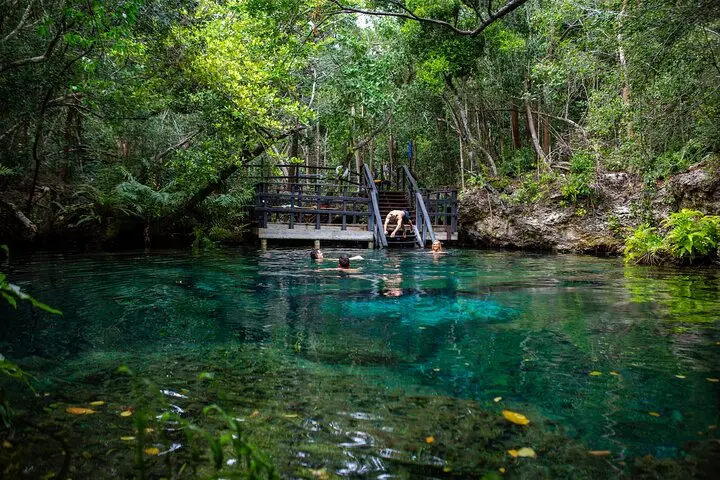
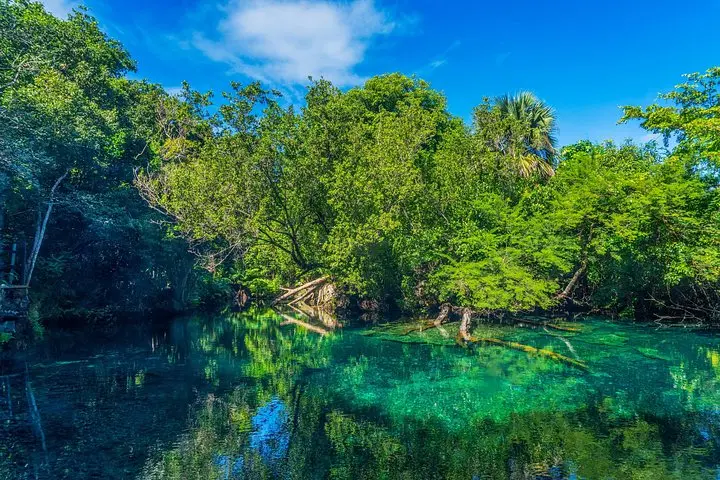
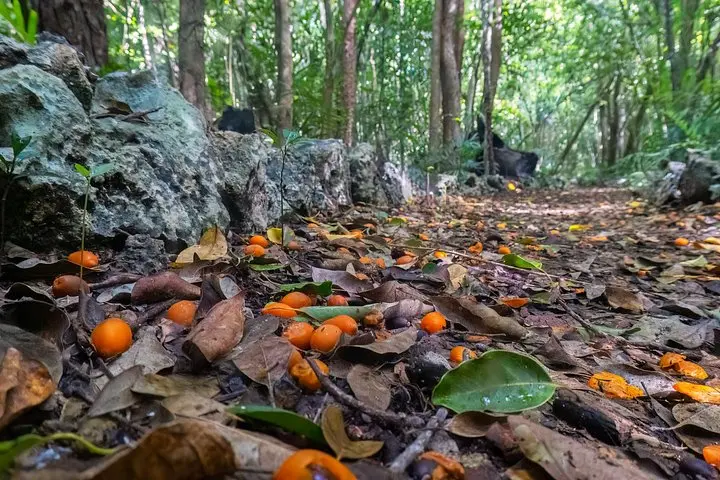
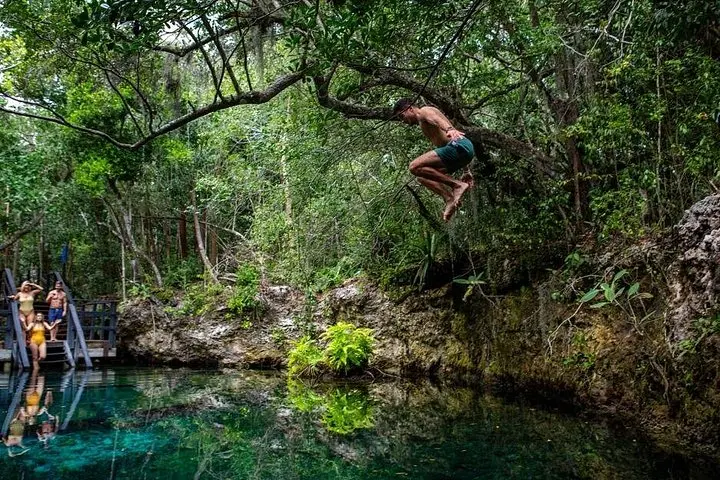
Morning light filters through low rainforest canopy as you step onto the shaded boardwalks of the Indigenous Eyes Ecological Reserve. The air smells of wet earth and honey; small limestone sinkholes — cenotes — open like clear eyes into subterranean waters, daring you to swim.
Morning light filters through low rainforest canopy as you step onto the shaded boardwalks of the Indigenous Eyes Ecological Reserve. The air smells of wet earth and honey; small limestone sinkholes — cenotes — open like clear eyes into subterranean waters, daring you to swim.
These cenotes are part of Hispaniola’s carbonate plain, shaped over millennia as freshwater dissolved limestone to form caverns and sinkholes. The area carries Taíno echoes — freshwater sources long valued by native communities — and is now protected as an ecological reserve where conservation meets local culture.
On this half-day excursion expect guided wildlife spotting: learn about the endemic Ridgway’s hawk and the Rhino iguana, see an organic apiary in action and taste honey straight from the hive, then slip into the cool, transparent cenotes for a calm swim.
The experience ends with sensory education: Dominican coffee, single-origin chocolate from local producers, and a tasting of mamajuana that connects flavors to colonial and indigenous histories.
Practical guide: arrive with biodegradable sunscreen and water shoes; short boardwalks and shallow steps lead to swim areas but facilities are modest. Bring cash for small purchases and be ready for tropical heat and insect presence in the shade. The route suits most fitness levels, with flat walking and brief inclines. Respect signage, avoid disturbing nesting birds or iguanas, and follow your guide’s instructions when entering the water to minimize impact. The tour blends easy hiking, conservative wildlife viewing and a refreshing swim — an accessible way to experience Punta Cana beyond the shoreline.