THE ADVENTURE COLLECTIVE® · Independent discovery and booking for outdoor travel

Taste six wines paired with native South African flavours at Vergenoegd Löw. This two-hour experience connects vineyard geology and local culinary traditions through curated pairings that highlight Cape ingredients.
Taste six wines paired with native South African flavours at Vergenoegd Löw. This two-hour experience connects vineyard geology and local culinary traditions through curated pairings that highlight Cape ingredients.
You arrive at Vergenoegd Löw with sunlight slanting across rows of low-trained vines; the air smells faintly of crushed leaf and salty coast carried on a Cape breeze. A long wooden table awaits, and the tasting begins not as a lecture but as a conversation between land, grape and plate.
Verified experiences and guided adventures in the surrounding area.
Operated by Cape Culinary Escapes · Cape Town, Western Cape
You arrive at Vergenoegd Löw with sunlight slanting across rows of low-trained vines; the air smells faintly of crushed leaf and salty coast carried on a Cape breeze. A long wooden table awaits, and the tasting begins not as a lecture but as a conversation between land, grape and plate.
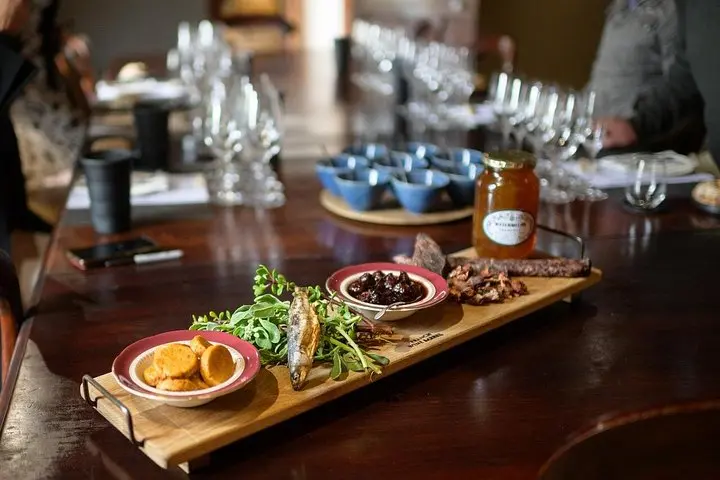
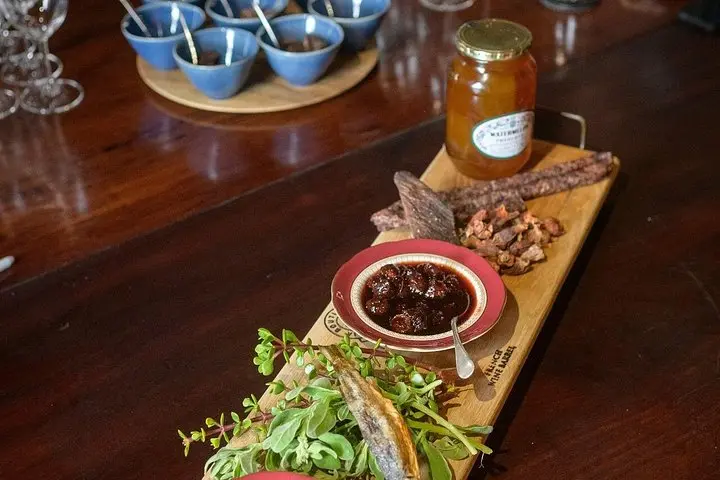
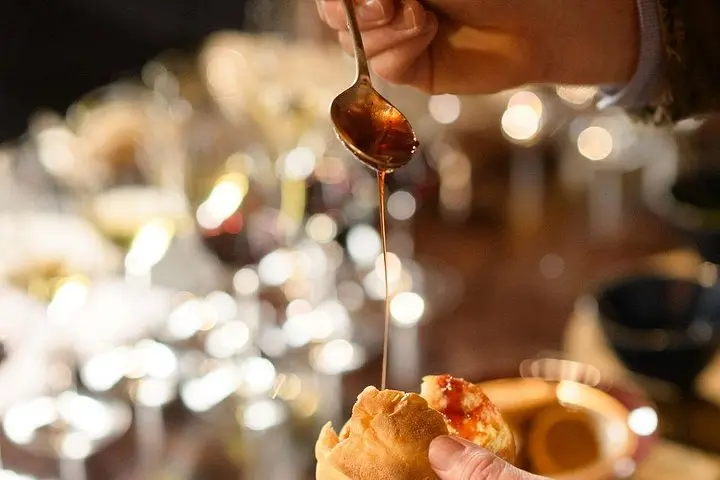
This estate pairing focuses on indigenous South African ingredients—biltong, bokkoms, amasi, dune spinach, spekboom and sour figs—served alongside six whites, reds and Méthode Cap Classique. The pairings reveal how Cape geology and climate shape flavour: granite and shale soils temper tannins, while ocean proximity lifts acidity in the wines. The wines themselves are modern blends and single-cultivar expressions, interpreted through centuries of colonial viticulture and millennia of indigenous foodways.
Culturally this tasting is as much about memory as method: each bite references local preservation techniques and communal practices, offering a practical lens into Cape food heritage without romanticizing the past.
Practical guidance: the experience runs about two hours and is wheelchair accessible. Expect a seated, guided tasting with small plates—arrive sober and hydrated to discern subtle pairings. Wear sensible shoes for gravel paths if you want to stroll the vineyard after tasting; bring sun protection for outdoor areas. Photography is welcome but respect serving sizes and the guide’s pacing.
Timing tip: late afternoon light is best for vineyard views; book early in high season and cancel at least 24 hours ahead for a full refund. This is a sensory, low-impact way to connect to Cape flavours and the land that produces them.
The experience runs about two hours and typically includes six wine pours and paired small plates.
Yes—Vergenoegd Löw has wheelchair access and can accommodate strollers; notify the operator when booking for any special needs.
Infants in prams are permitted, but the tasting involves alcohol and isn’t recommended for minors; check booking rules for child policies.
Full refund if cancelled at least 24 hours before the scheduled start; no refund within 24 hours.
Cape Culinary Escapes operates guided outdoor trips and adventures with an emphasis on safety, stewardship, and memorable experiences.

You arrive at Vergenoegd Löw with sunlight slanting across rows of low-trained vines; the air smells faintly of crushed leaf and salty coast carried on a Cape breeze. A long wooden table awaits, and the tasting begins not as a lecture but as a conversation between land, grape and plate.
You arrive at Vergenoegd Löw with sunlight slanting across rows of low-trained vines; the air smells faintly of crushed leaf and salty coast carried on a Cape breeze. A long wooden table awaits, and the tasting begins not as a lecture but as a conversation between land, grape and plate.
This estate pairing focuses on indigenous South African ingredients—biltong, bokkoms, amasi, dune spinach, spekboom and sour figs—served alongside six whites, reds and Méthode Cap Classique. The pairings reveal how Cape geology and climate shape flavour: granite and shale soils temper tannins, while ocean proximity lifts acidity in the wines. The wines themselves are modern blends and single-cultivar expressions, interpreted through centuries of colonial viticulture and millennia of indigenous foodways.
Culturally this tasting is as much about memory as method: each bite references local preservation techniques and communal practices, offering a practical lens into Cape food heritage without romanticizing the past.
Practical guidance: the experience runs about two hours and is wheelchair accessible. Expect a seated, guided tasting with small plates—arrive sober and hydrated to discern subtle pairings. Wear sensible shoes for gravel paths if you want to stroll the vineyard after tasting; bring sun protection for outdoor areas. Photography is welcome but respect serving sizes and the guide’s pacing.
Timing tip: late afternoon light is best for vineyard views; book early in high season and cancel at least 24 hours ahead for a full refund. This is a sensory, low-impact way to connect to Cape flavours and the land that produces them.