THE ADVENTURE COLLECTIVE® · Independent discovery and booking for outdoor travel

Walk Inca stone and meet living craft traditions on a full-day loop from Cuenca to Ingapirca, Gualaceo and Chordeleg. This practical guide covers what to expect — terrain, timing and local highlights — so you can plan a confident, connected day in Ecuador’s southern highlands.
Walk Inca stone and meet living craft traditions on a full-day loop from Cuenca to Ingapirca, Gualaceo and Chordeleg. This practical guide covers what to expect — terrain, timing and local highlights — so you can plan a confident, connected day in Ecuador’s southern highlands.
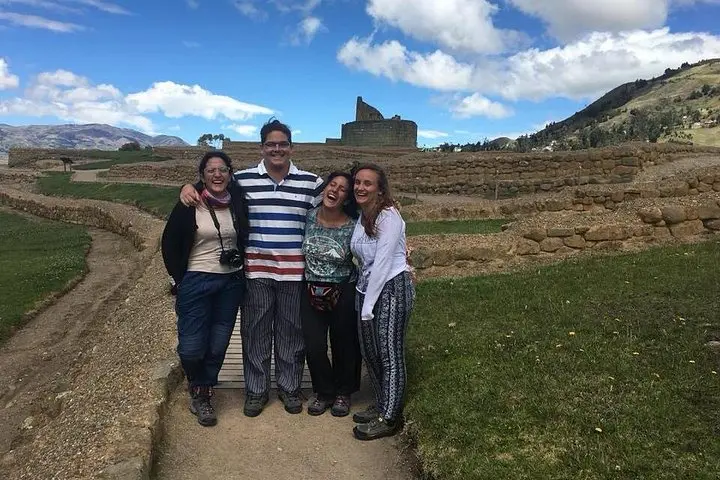
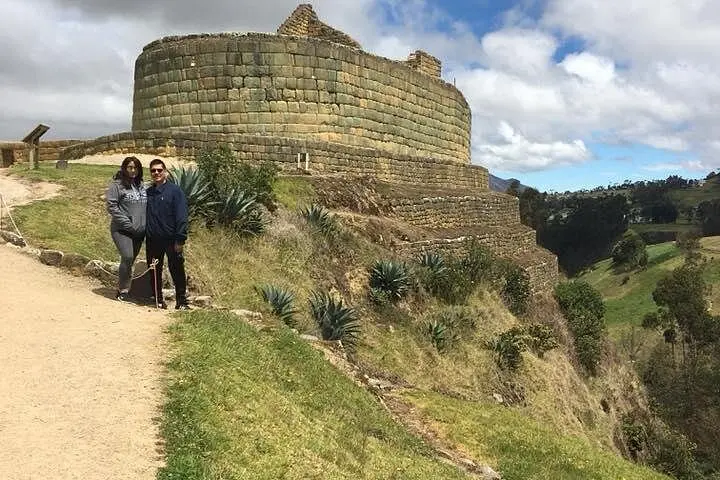
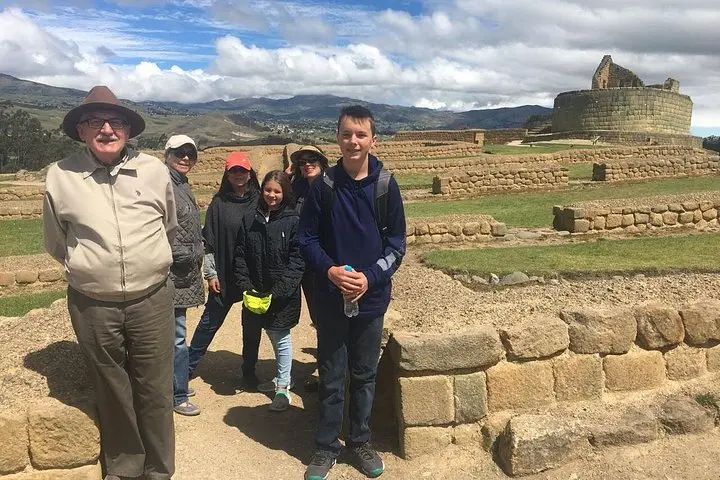
You step out of the minivan and the highland air pushes at you like an honest hand — cool, thin, edged with dust and distant smoke from wood stoves. The stone of Ingapirca sits above a patchwork of fields, its sun-facing walls still warm enough to touch as guides walk you along terraces and the semi-circular Temple of the Sun.
Verified experiences and guided adventures in the surrounding area.
Operated by DEEP ECUADOR TRAVEL · Ingapirca, Cañar
You step out of the minivan and the highland air pushes at you like an honest hand — cool, thin, edged with dust and distant smoke from wood stoves. The stone of Ingapirca sits above a patchwork of fields, its sun-facing walls still warm enough to touch as guides walk you along terraces and the semi-circular Temple of the Sun.
This route threads history and craft across two provinces. Ingapirca is the largest Inca-linked complex in Ecuador, built where Kañari traditions met imperial masonry; the hilltop plan reflects both ceremonial astronomy and agricultural engineering. The landscape is volcanic highland — rolling paramo, basalt outcrops and terraced slopes — where weather can shift like a mood.
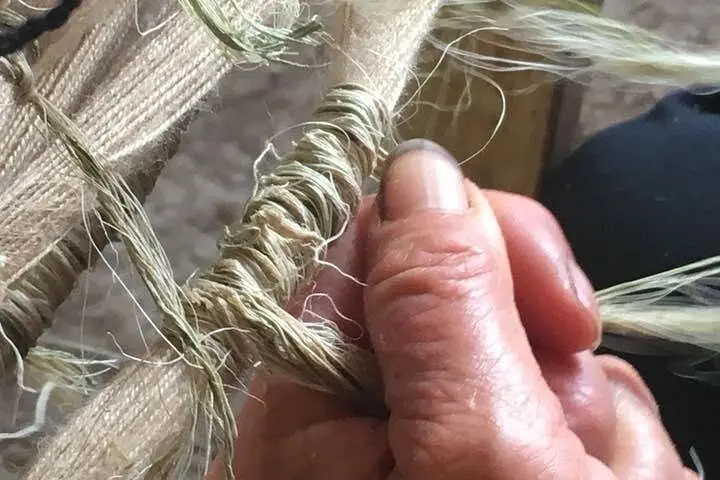
Gualaceo and Chordeleg bring a cultural counterpoint: Gualaceo’s markets and textile traditions, and Chordeleg’s filigree jewelers and toquilla straw artisans, offer tactile links to living craft economies. Expect close-up demonstrations, opportunities to try on a Makana shawl, and time in small workshops where silver is hammered and straw is braided.
Practical guide: the day is long — roughly 8–9 hours with bumpy rural roads — and mostly low-impact walking across uneven stone and cobbled streets. Bring layers for sun, wind and sudden rain; sturdy shoes for archaeological steps; cash for small purchases and market snacks. Hydrate in advance and plan for modest altitude (about 3,200 m / 10,500 ft at Ingapirca). If you want quieter photos, arrive early in the site window and keep conversations low to respect local rituals. This is a trip that pairs quiet, highland geology with the warmth of living craft traditions — straightforward, sensory, and deeply local.
Pickup is usually in Cuenca; the drive to Ingapirca is about 1–1.5 hours each way depending on traffic and road conditions.
Admission is generally not included in the base rate — check booking details and bring cash or card for site entry if required.
Transportation may be wheelchair accessible, but Ingapirca’s archaeological terraces and stone steps limit full site accessibility; contact the operator to discuss needs.
Yes — Gualaceo and Chordeleg offer many small workshops and shops; bargaining is modest, and purchases support local craftspeople.
DEEP ECUADOR TRAVEL operates guided outdoor trips and adventures with an emphasis on safety, stewardship, and memorable experiences.
You step out of the minivan and the highland air pushes at you like an honest hand — cool, thin, edged with dust and distant smoke from wood stoves. The stone of Ingapirca sits above a patchwork of fields, its sun-facing walls still warm enough to touch as guides walk you along terraces and the semi-circular Temple of the Sun.
You step out of the minivan and the highland air pushes at you like an honest hand — cool, thin, edged with dust and distant smoke from wood stoves. The stone of Ingapirca sits above a patchwork of fields, its sun-facing walls still warm enough to touch as guides walk you along terraces and the semi-circular Temple of the Sun.
This route threads history and craft across two provinces. Ingapirca is the largest Inca-linked complex in Ecuador, built where Kañari traditions met imperial masonry; the hilltop plan reflects both ceremonial astronomy and agricultural engineering. The landscape is volcanic highland — rolling paramo, basalt outcrops and terraced slopes — where weather can shift like a mood.
Gualaceo and Chordeleg bring a cultural counterpoint: Gualaceo’s markets and textile traditions, and Chordeleg’s filigree jewelers and toquilla straw artisans, offer tactile links to living craft economies. Expect close-up demonstrations, opportunities to try on a Makana shawl, and time in small workshops where silver is hammered and straw is braided.
Practical guide: the day is long — roughly 8–9 hours with bumpy rural roads — and mostly low-impact walking across uneven stone and cobbled streets. Bring layers for sun, wind and sudden rain; sturdy shoes for archaeological steps; cash for small purchases and market snacks. Hydrate in advance and plan for modest altitude (about 3,200 m / 10,500 ft at Ingapirca). If you want quieter photos, arrive early in the site window and keep conversations low to respect local rituals. This is a trip that pairs quiet, highland geology with the warmth of living craft traditions — straightforward, sensory, and deeply local.