THE ADVENTURE COLLECTIVE® · Independent discovery and booking for outdoor travel

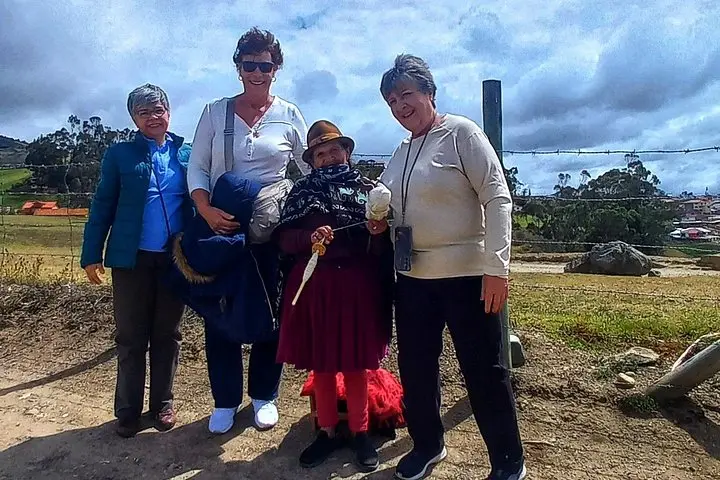
A full‑day journey from Cuenca that pairs the pre-Columbian Ingapirca complex with hands-on stops in Gualaceo and Chordeleg. Expect gentle walks at ancient stones, artisan demonstrations, and a close look at Andean craft traditions.
A full‑day journey from Cuenca that pairs the pre-Columbian Ingapirca complex with hands-on stops in Gualaceo and Chordeleg. Expect gentle walks at ancient stones, artisan demonstrations, and a close look at Andean craft traditions.
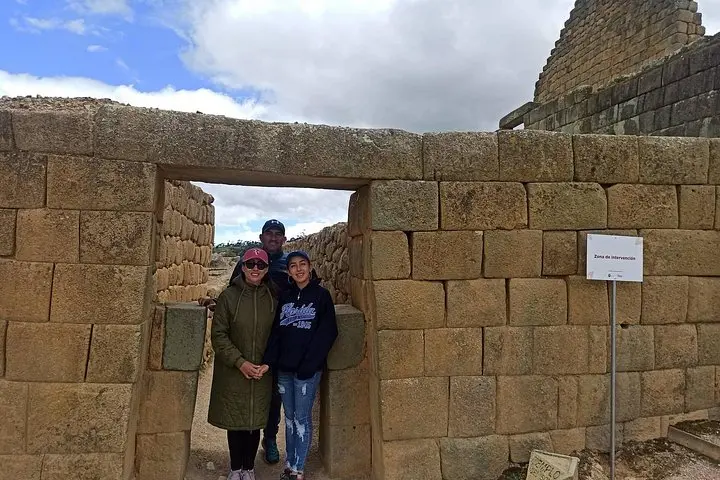
Morning light unfurls over the Andean road from Cuenca as your guide collects you for a full‑day loop into highland history. The van climbs into thin air, fields and terraces sliding past like pages; at Ingapirca the stonework rises from the slope — wind and weather have been arguing with these walls for centuries, and the site answers back with quiet geometry.
Verified experiences and guided adventures in the surrounding area.
Operated by Polylepis Tours · Ingapirca, Cañar
Morning light unfurls over the Andean road from Cuenca as your guide collects you for a full‑day loop into highland history. The van climbs into thin air, fields and terraces sliding past like pages; at Ingapirca the stonework rises from the slope — wind and weather have been arguing with these walls for centuries, and the site answers back with quiet geometry.
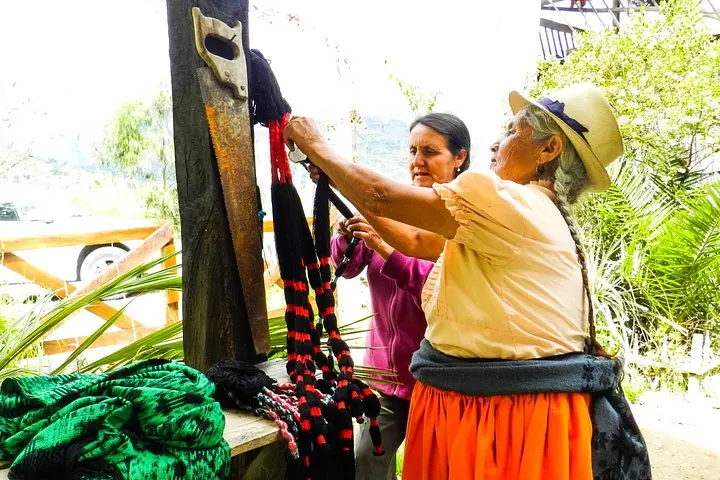
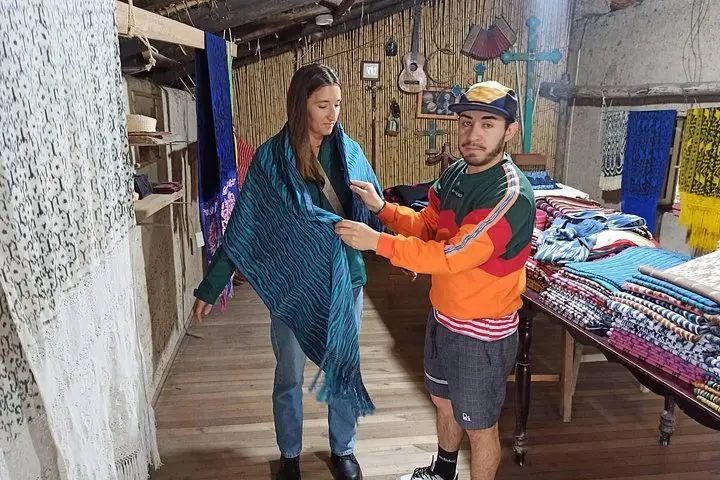
Ingapirca sits where Cañari traditions met the Inca imperial reach. The site's elliptical temple and defensive walls reveal mixed masonry and ritual planning; the surrounding volcanic landscape frames the ruins with sharp ridgelines and pastoral valleys that still feed local communities. On the return leg the trip slows to human scale: Gualaceo’s market stalls and Chordeleg’s jewelers demonstrate living craft economies — filigree silver and handwoven ikat shawls made with techniques passed through generations.
Expect 8–9 hours including two 90–120 minute stops at Ingapirca and artisan workshops; travel time from Cuenca is about 1½ hours each way. Physical demand is low but you’ll walk uneven stone and market lanes, so stable shoes and sun/rain protection matter. Bring cash for small purchases, keep cameras respectful at ritual areas, and follow the guide’s notes on fragile masonry.
This day tour is a practical way to pair archaeology with contemporary craft: you’ll leave with clearer context for Ecuador’s highland cultures and a sense of how the past and present are threaded together by land, labor, and local knowledge.
The drive is approximately 1½ hours each way under normal traffic and weather conditions.
Check your booking details—some tour options include lunch and transport but entrance may be handled on site; your guide will clarify before arrival.
Infant seats are available and children can join, but note the pace includes walking on uneven stone; child rates apply when sharing with a paying adult.
Yes; Gualaceo and Chordeleg have workshops and stalls selling handmade textiles and filigree silver—bring cash and ask about materials and care.
Polylepis Tours operates guided outdoor trips and adventures with an emphasis on safety, stewardship, and memorable experiences.
Morning light unfurls over the Andean road from Cuenca as your guide collects you for a full‑day loop into highland history. The van climbs into thin air, fields and terraces sliding past like pages; at Ingapirca the stonework rises from the slope — wind and weather have been arguing with these walls for centuries, and the site answers back with quiet geometry.
Morning light unfurls over the Andean road from Cuenca as your guide collects you for a full‑day loop into highland history. The van climbs into thin air, fields and terraces sliding past like pages; at Ingapirca the stonework rises from the slope — wind and weather have been arguing with these walls for centuries, and the site answers back with quiet geometry.
Ingapirca sits where Cañari traditions met the Inca imperial reach. The site's elliptical temple and defensive walls reveal mixed masonry and ritual planning; the surrounding volcanic landscape frames the ruins with sharp ridgelines and pastoral valleys that still feed local communities. On the return leg the trip slows to human scale: Gualaceo’s market stalls and Chordeleg’s jewelers demonstrate living craft economies — filigree silver and handwoven ikat shawls made with techniques passed through generations.
Expect 8–9 hours including two 90–120 minute stops at Ingapirca and artisan workshops; travel time from Cuenca is about 1½ hours each way. Physical demand is low but you’ll walk uneven stone and market lanes, so stable shoes and sun/rain protection matter. Bring cash for small purchases, keep cameras respectful at ritual areas, and follow the guide’s notes on fragile masonry.
This day tour is a practical way to pair archaeology with contemporary craft: you’ll leave with clearer context for Ecuador’s highland cultures and a sense of how the past and present are threaded together by land, labor, and local knowledge.