THE ADVENTURE COLLECTIVE® · Independent discovery and booking for outdoor travel

Ride down from high Andean passes, raft the Vilcanota, walk sections of original Inca trail and finish at Machu Picchu on a four-day mixed-adventure route from Cusco. Expect early starts, varied terrain and a physically demanding but highly rewarding itinerary.
Ride down from high Andean passes, raft the Vilcanota, walk sections of original Inca trail and finish at Machu Picchu on a four-day mixed-adventure route from Cusco. Expect early starts, varied terrain and a physically demanding but highly rewarding itinerary.
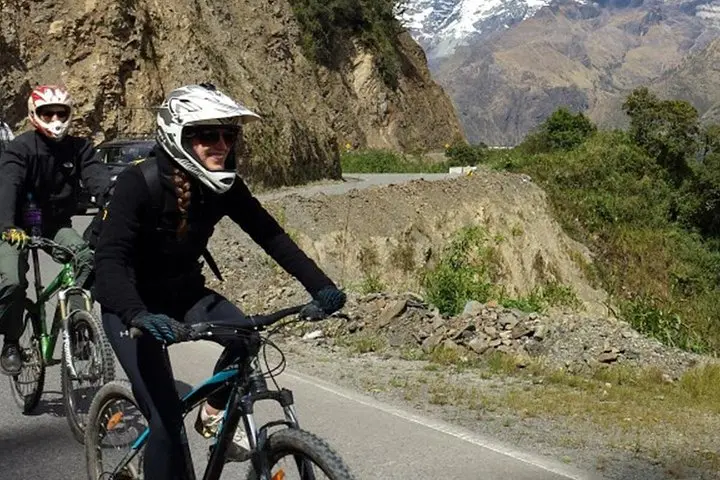
Dawn at Abra Málaga is a hard breath — thin, cool air at 4,300 m, an apron of cloud sliding off the high Andes as bikers clip in and push over the ridge. The first descent hurtles you into a changing world: terraced slopes give way to fruit farms and the humidity of the high jungle, rivers growing louder as the valley narrows.
Verified experiences and guided adventures in the surrounding area.
Operated by CrossoverPeru Tours · Cusco, Cusco
Dawn at Abra Málaga is a hard breath — thin, cool air at 4,300 m, an apron of cloud sliding off the high Andes as bikers clip in and push over the ridge. The first descent hurtles you into a changing world: terraced slopes give way to fruit farms and the humidity of the high jungle, rivers growing louder as the valley narrows.
This four-day Inka Jungle route threads modern adventure through ancient pathways. From the colonial-era roads around Cusco to stretches of original Inca trail, the itinerary mixes history and geology: volcanic-derived soils feed lush coffee plots; steep river canyons carved by the Vilcanota river demand respect. Local towns like Santa María and Santa Teresa still rely on agriculture and river transport, and community-hosted hostels reflect that living culture.
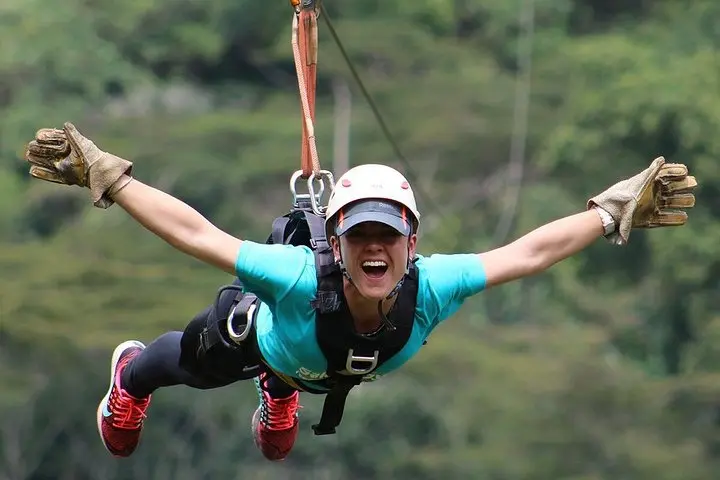
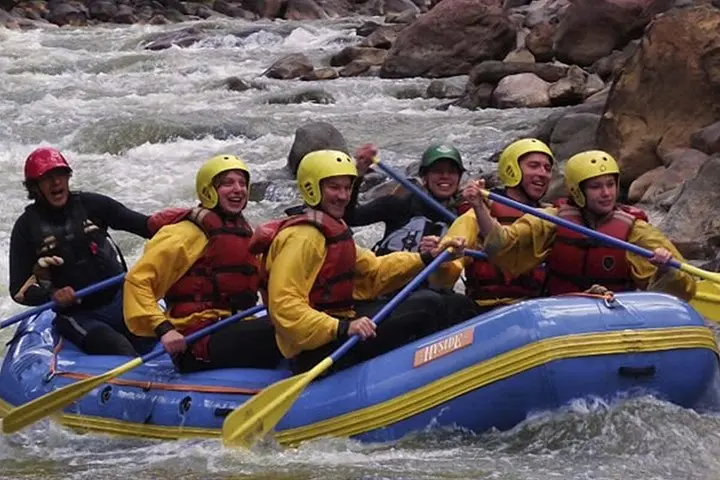
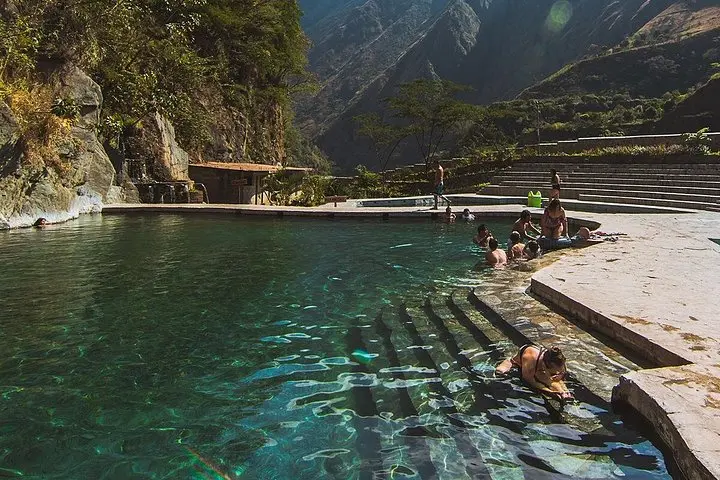
Expect a blend of activities — an all-day bike descent from Abra Málaga, Class II–III rafting on the Vilcanota (dry-season only), a section of preserved Inca trail on foot, thermal springs at Cocalmayo, a commercial zipline, and a final rail-and-hike approach to Machu Picchu.
Practically: altitude is real — spend at least one day in Cusco acclimatizing. Pack a waterproof layer for sudden cloud-forest storms, sturdy shoes for uneven trails, and a small daypack for river and rail sections. The tour uses local transport and trains from Aguas Calientes; lodgings are hostel-standard with hot water. Hydrate, manage daylight hours (early starts), and factor in moderate to challenging fitness demands: this is an expedition of varied skills rather than technical mountaineering. When you reach Machu Picchu, the ruins feel earned — terraces, stones, and rainforest all pressing in.
Yes — you should be comfortable handling a mountain or hybrid bike on steep descents and gravel roads; guides provide instruction but not basic cycling lessons.
Rafting on the Vilcanota is typically offered in the dry season (April–December); operators may cancel during high water in the wet season for safety.
This tour includes Machu Picchu entrance on day 4, but verify ticket class and any adicional permits (e.g., Huayna Picchu) before booking.
Yes — the trip begins above 4,000 m; symptoms can include headache and nausea. Acclimatization in Cusco and hydration are essential; serious conditions should be assessed by a physician.
CrossoverPeru Tours operates guided outdoor trips and adventures with an emphasis on safety, stewardship, and memorable experiences.
Dawn at Abra Málaga is a hard breath — thin, cool air at 4,300 m, an apron of cloud sliding off the high Andes as bikers clip in and push over the ridge. The first descent hurtles you into a changing world: terraced slopes give way to fruit farms and the humidity of the high jungle, rivers growing louder as the valley narrows.
Dawn at Abra Málaga is a hard breath — thin, cool air at 4,300 m, an apron of cloud sliding off the high Andes as bikers clip in and push over the ridge. The first descent hurtles you into a changing world: terraced slopes give way to fruit farms and the humidity of the high jungle, rivers growing louder as the valley narrows.
This four-day Inka Jungle route threads modern adventure through ancient pathways. From the colonial-era roads around Cusco to stretches of original Inca trail, the itinerary mixes history and geology: volcanic-derived soils feed lush coffee plots; steep river canyons carved by the Vilcanota river demand respect. Local towns like Santa María and Santa Teresa still rely on agriculture and river transport, and community-hosted hostels reflect that living culture.
Expect a blend of activities — an all-day bike descent from Abra Málaga, Class II–III rafting on the Vilcanota (dry-season only), a section of preserved Inca trail on foot, thermal springs at Cocalmayo, a commercial zipline, and a final rail-and-hike approach to Machu Picchu.
Practically: altitude is real — spend at least one day in Cusco acclimatizing. Pack a waterproof layer for sudden cloud-forest storms, sturdy shoes for uneven trails, and a small daypack for river and rail sections. The tour uses local transport and trains from Aguas Calientes; lodgings are hostel-standard with hot water. Hydrate, manage daylight hours (early starts), and factor in moderate to challenging fitness demands: this is an expedition of varied skills rather than technical mountaineering. When you reach Machu Picchu, the ruins feel earned — terraces, stones, and rainforest all pressing in.