THE ADVENTURE COLLECTIVE® · Independent discovery and booking for outdoor travel

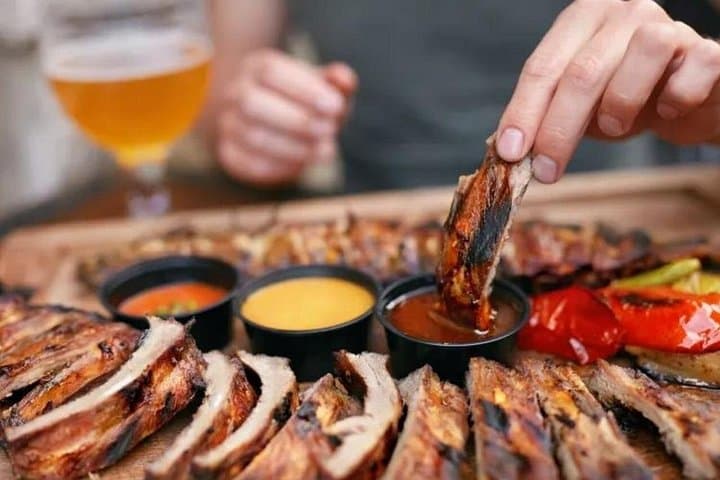
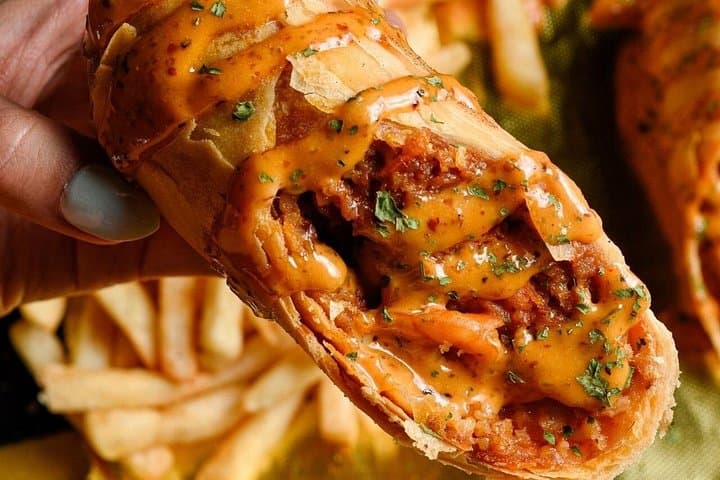
Stroll Inman Park and the Eastside Trail with a local guide to sample Atlanta’s best street eats, from Krog Street Market to the painted tunnel. This 3‑hour private walking tour combines food tastings with neighborhood history and practical tips for timing and accessibility.
Stroll Inman Park and the Eastside Trail with a local guide to sample Atlanta’s best street eats, from Krog Street Market to the painted tunnel. This 3‑hour private walking tour combines food tastings with neighborhood history and practical tips for timing and accessibility.
Morning light slips between Victorian porches as a local guide meets you outside Sugar Magnolia in Inman Park and the neighborhood exhales—coffee, frying oil and the faint hum of the BeltLine.
Verified experiences and guided adventures in the surrounding area.
Operated by Guydeez · Atlanta, Georgia
Morning light slips between Victorian porches as a local guide meets you outside Sugar Magnolia in Inman Park and the neighborhood exhales—coffee, frying oil and the faint hum of the BeltLine.
This three‑hour walking tour threads historic Inman Park and the Eastside Trail, bringing travelers to Krog Street Market’s lively stalls and the spray‑painted run of the Krog Street Tunnel. The area was one of Atlanta’s earliest planned suburbs in the late 1800s; former rail lines carved through industrial land and, in recent decades, became the BeltLine, a linear park that pushes the city’s culinary and arts scenes forward.
Geology here is urban: reclaimed rail beds, brick manufacturing remnants, and a low ridge that once guided transport routes. Culture centers on food entrepreneurship—small vendors and family‑run kitchens—paired with street art that records Atlanta’s contemporary voice. Guides balance history with bites: explanations of Southern influences, immigrant kitchens, and how the BeltLine reshaped connectivity.
Practical notes: the route is flat, mostly paved, and accessible—expect two miles of walking with multiple short stops and standing tastings. Bring comfortable shoes, a charged phone, and a small appetite (portions sample‑sized). Timing matters—weekday mornings are cooler and less crowded; weekend evenings bring lines. If you have dietary restrictions flag them at booking; private tours are fully customizable.
This is a low‑impact urban adventure—support vendors, carry out wrappers, and consider arriving by Marta or bike to avoid parking hassles. You’ll leave with a map of flavors and a clearer picture of how Atlanta’s streets feed its identity.
The tour runs about three hours and covers roughly 1.5–2 miles of mostly flat, paved trail with multiple short stops for tastings.
Yes—Inman Park and the Eastside Trail sections used on this tour are wheelchair accessible; notify the operator when booking to confirm accessibility needs.
Yes—private tours are customizable; indicate restrictions at booking so the guide can plan appropriate tastings.
Bring comfortable shoes, a charged phone, a refillable water bottle (especially in summer), and small bills or cards for optional extras.
Guydeez operates guided outdoor trips and adventures with an emphasis on safety, stewardship, and memorable experiences.

Morning light slips between Victorian porches as a local guide meets you outside Sugar Magnolia in Inman Park and the neighborhood exhales—coffee, frying oil and the faint hum of the BeltLine.
Morning light slips between Victorian porches as a local guide meets you outside Sugar Magnolia in Inman Park and the neighborhood exhales—coffee, frying oil and the faint hum of the BeltLine.
This three‑hour walking tour threads historic Inman Park and the Eastside Trail, bringing travelers to Krog Street Market’s lively stalls and the spray‑painted run of the Krog Street Tunnel. The area was one of Atlanta’s earliest planned suburbs in the late 1800s; former rail lines carved through industrial land and, in recent decades, became the BeltLine, a linear park that pushes the city’s culinary and arts scenes forward.
Geology here is urban: reclaimed rail beds, brick manufacturing remnants, and a low ridge that once guided transport routes. Culture centers on food entrepreneurship—small vendors and family‑run kitchens—paired with street art that records Atlanta’s contemporary voice. Guides balance history with bites: explanations of Southern influences, immigrant kitchens, and how the BeltLine reshaped connectivity.
Practical notes: the route is flat, mostly paved, and accessible—expect two miles of walking with multiple short stops and standing tastings. Bring comfortable shoes, a charged phone, and a small appetite (portions sample‑sized). Timing matters—weekday mornings are cooler and less crowded; weekend evenings bring lines. If you have dietary restrictions flag them at booking; private tours are fully customizable.
This is a low‑impact urban adventure—support vendors, carry out wrappers, and consider arriving by Marta or bike to avoid parking hassles. You’ll leave with a map of flavors and a clearer picture of how Atlanta’s streets feed its identity.