
Innisfallen Island Boat Tour: History and Scenery of Killarney National Park
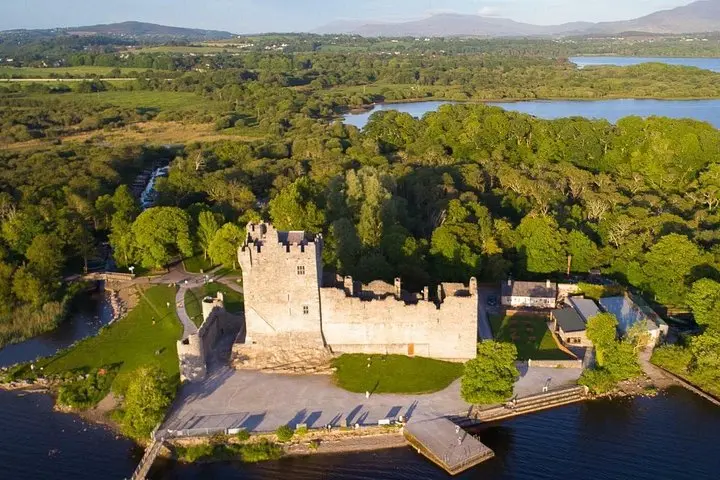
Board a licensed launch at Ross Castle and cross to Innisfallen, where 6th‑century monastic ruins and roaming deer meet open lake views. This guided short walk blends history, wildlife, and scenic calm on Lough Leane.
An Adventure In Killarney.
Board a licensed launch at Ross Castle and cross to Innisfallen, where 6th‑century monastic ruins and roaming deer meet open lake views. This guided short walk blends history, wildlife, and scenic calm on Lough Leane.
Read the full experience
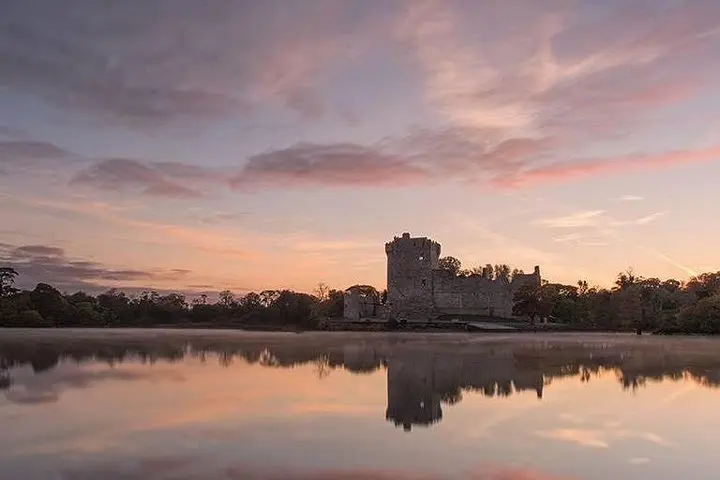
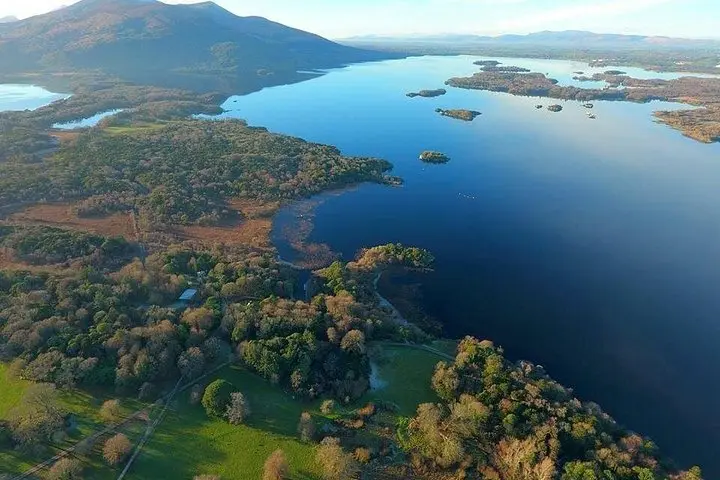
A low-lying island sits like a patient storyteller in the center of Lough Leane — stone ruins poking through grass, deer pausing at the water’s edge, and the boat easing in with the soft slap of oars and hull. On a clear morning the lake mirrors the sky and the island’s 6th-century monastery appears to float, its church walls holding names and memories that predate many modern borders.
A low-lying island sits like a patient storyteller in the center of Lough Leane — stone ruins poking through grass, deer pausing at the water’s edge, and the boat easing in with the soft slap of oars and hull. On a clear morning the lake mirrors the sky and the island’s 6th-century monastery appears to float, its church walls holding names and memories that predate many modern borders.
Innisfallen was an early monastic settlement and is closely linked to the Book of Innisfallen, an important medieval manuscript. The island’s geology is simple limestone bedrock with thin soils supporting open grassy spaces and scattered ash and hawthorn. Culturally, the island reflects Ireland’s layered past — monastic scholarship, later pastoral use, and now protected status inside Killarney National Park.
Visitors typically arrive on a licensed, insured boat operated by local skippers, who mix local history with light Irish wit. Expect a guided 25-minute walk around a roughly 21-acre perimeter, close views of medieval church ruins and grave slabs, and frequent sightings of red and sika deer moving through the grass.
Practical guidance: wear sturdy walking shoes and a windproof layer; the island is exposed and weather can change fast. Boats load at Ross Castle; trips run about 60–90 minutes total including transit. Keep to marked routes around the ruins, leave no trace, and plan to arrive early in summer to avoid crowds — the island rewards quiet observation and a patient eye for birds and deer.
Frequently asked questions
Tours including the boat crossing and guided island time typically last 60–90 minutes; the island walk around the perimeter is about 25 minutes.
Guides will often accommodate longer stays when scheduling allows — ask the skipper before departure; availability depends on other bookings.
Yes. Boats are Department of Marine certified, National Parks and Wildlife Service licensed and fully insured, operated by experienced skippers.
Red and sika deer are frequently seen grazing among the ruins, though sightings depend on season and time of day; dawn and dusk are best for wildlife activity.
About This Experience
Ross Castle Boat Tours operates guided outdoor trips and adventures with an emphasis on safety, stewardship, and memorable experiences.
Adventure tips
Recommended gear
- Waterproof rain jacket: Protects you from sudden rain and wind during the short crossing and exposed island walk.
- Sturdy walking shoes: Provides traction on uneven limestone paths and grassy slopes around the ruins.
- Sun protection (hat & sunscreen): Open sections of the island have little shade — protect skin during sunny crossings.
- Binoculars: Helps you observe deer, herons, and other wildlife across the lake without approaching them.
Photos of the experience
Related adventures & guides
Read the full experience
A low-lying island sits like a patient storyteller in the center of Lough Leane — stone ruins poking through grass, deer pausing at the water’s edge, and the boat easing in with the soft slap of oars and hull. On a clear morning the lake mirrors the sky and the island’s 6th-century monastery appears to float, its church walls holding names and memories that predate many modern borders.
A low-lying island sits like a patient storyteller in the center of Lough Leane — stone ruins poking through grass, deer pausing at the water’s edge, and the boat easing in with the soft slap of oars and hull. On a clear morning the lake mirrors the sky and the island’s 6th-century monastery appears to float, its church walls holding names and memories that predate many modern borders.
Innisfallen was an early monastic settlement and is closely linked to the Book of Innisfallen, an important medieval manuscript. The island’s geology is simple limestone bedrock with thin soils supporting open grassy spaces and scattered ash and hawthorn. Culturally, the island reflects Ireland’s layered past — monastic scholarship, later pastoral use, and now protected status inside Killarney National Park.
Visitors typically arrive on a licensed, insured boat operated by local skippers, who mix local history with light Irish wit. Expect a guided 25-minute walk around a roughly 21-acre perimeter, close views of medieval church ruins and grave slabs, and frequent sightings of red and sika deer moving through the grass.
Practical guidance: wear sturdy walking shoes and a windproof layer; the island is exposed and weather can change fast. Boats load at Ross Castle; trips run about 60–90 minutes total including transit. Keep to marked routes around the ruins, leave no trace, and plan to arrive early in summer to avoid crowds — the island rewards quiet observation and a patient eye for birds and deer.
Make a day of it nearby.
Verified experiences and guided adventures in the surrounding area.