THE ADVENTURE COLLECTIVE® · Independent discovery and booking for outdoor travel

Head offshore from Mal País and Santa Teresa on a focused 4-hour inshore fishing charter targeting roosterfish, mahi-mahi and tuna while watching for dolphins and manta rays. Practical, local-guided fishing with gear provided and fish-cleaning for your dinner.
Head offshore from Mal País and Santa Teresa on a focused 4-hour inshore fishing charter targeting roosterfish, mahi-mahi and tuna while watching for dolphins and manta rays. Practical, local-guided fishing with gear provided and fish-cleaning for your dinner.
The boat slips quietly away from the small dirt track at the end of Mal País, engines low, as the Pacific opens and the shoreline shrinks into a line of palms and volcanic rock. Salt spray scores the air; frigatebirds wheel above headlands where currents gather baitfish and predators follow. In four hours you’ll fish the inshore trenches between Mal País, Santa Teresa and the protected waters near Cabo Blanco — an active stretch where dolphins cut the swell and mantas and turtles patrol the shallows.
Verified experiences and guided adventures in the surrounding area.
Operated by Jason Tours · Santa Teresa, Puntarenas
The boat slips quietly away from the small dirt track at the end of Mal País, engines low, as the Pacific opens and the shoreline shrinks into a line of palms and volcanic rock. Salt spray scores the air; frigatebirds wheel above headlands where currents gather baitfish and predators follow. In four hours you’ll fish the inshore trenches between Mal País, Santa Teresa and the protected waters near Cabo Blanco — an active stretch where dolphins cut the swell and mantas and turtles patrol the shallows.
This corner of the Nicoya Peninsula is geologically young lava flows meeting sea, creating rocky points, sand pockets and tidal channels that concentrate fish. Cabo Blanco was Costa Rica’s first official reserve (est. 1963), and local fishing traditions mix with growing conservation awareness — many captains practice selective harvest and offer catch-and-release on request.
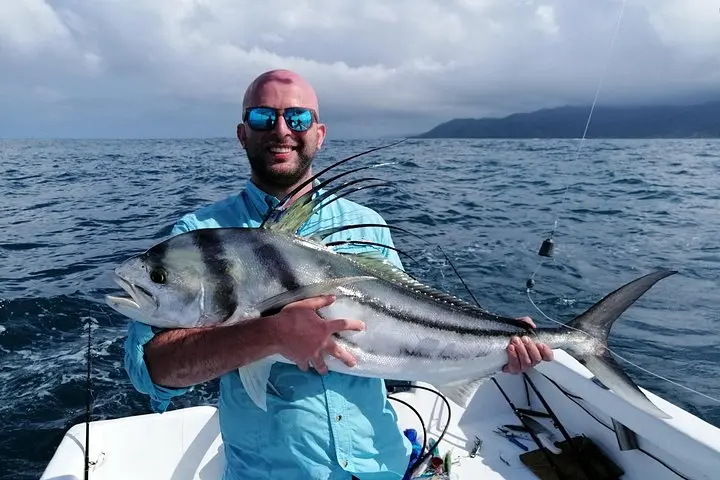
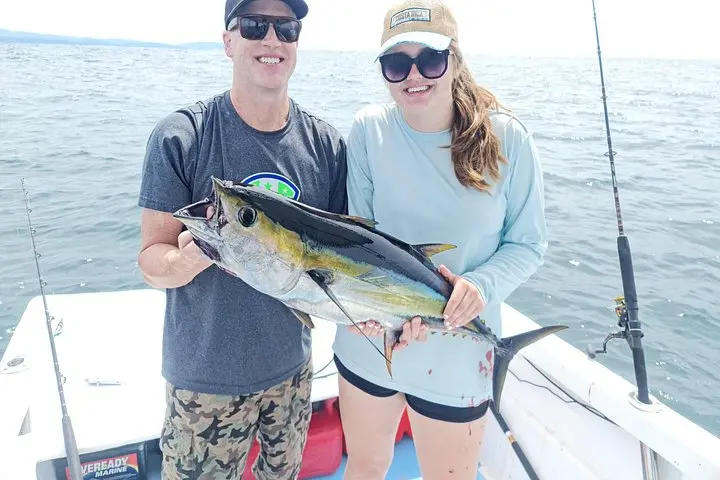
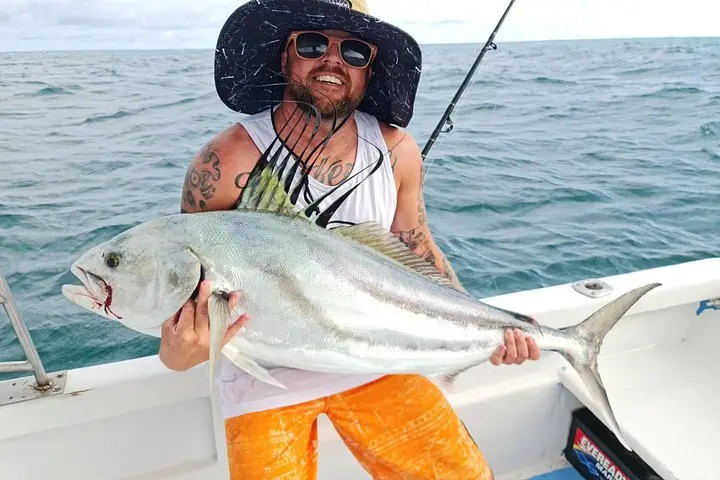
Expect short runs between spots, cast-and-retrieve action for roosterfish and occasional mahi-mahi, and the possibility of tuna in the deeper sand channels. The experience is social and practical: gear provided, drinks included, and operators will clean and bag your catch.
Practical guidance: plan for morning calm or late afternoon bite windows, bring motion-sickness prevention if you’re sensitive, and pack reef-safe sunscreen. Wear non-slip shoes and a light waterproof layer for spray. If you want your catch for dinner, alert the crew early so they can prepare storage. Weather can change quickly during the green season; captains adjust plans for safety and to chase the best bite.
Yes — the tour includes rods, tackle and bait; crews handle terminal tackle setup so you can focus on fishing.
Yes — the operator will clean, fillet and bag your catch for transport if you choose to keep it; inform the crew at trip start.
Licenses and permits are handled by the charter operator as part of the trip — no separate license purchase is typically required for guests.
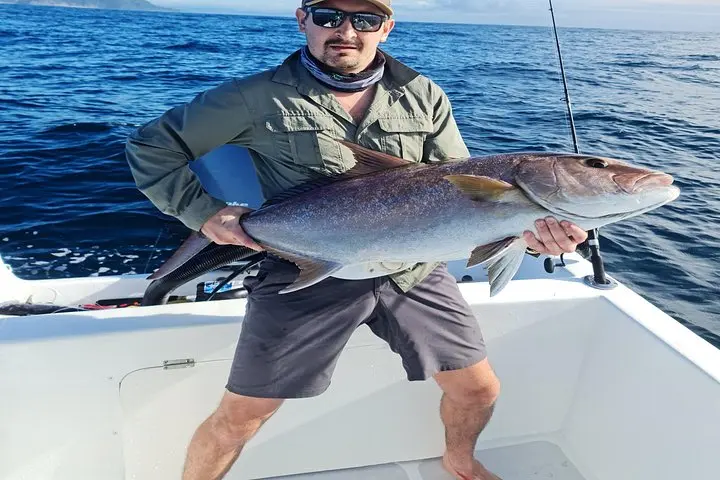
Common catches include roosterfish, mahi-mahi (dorado), small tuna and various inshore reef species; availability varies by season and local schools.
Jason Tours operates guided outdoor trips and adventures with an emphasis on safety, stewardship, and memorable experiences.
The boat slips quietly away from the small dirt track at the end of Mal País, engines low, as the Pacific opens and the shoreline shrinks into a line of palms and volcanic rock. Salt spray scores the air; frigatebirds wheel above headlands where currents gather baitfish and predators follow. In four hours you’ll fish the inshore trenches between Mal País, Santa Teresa and the protected waters near Cabo Blanco — an active stretch where dolphins cut the swell and mantas and turtles patrol the shallows.
The boat slips quietly away from the small dirt track at the end of Mal País, engines low, as the Pacific opens and the shoreline shrinks into a line of palms and volcanic rock. Salt spray scores the air; frigatebirds wheel above headlands where currents gather baitfish and predators follow. In four hours you’ll fish the inshore trenches between Mal País, Santa Teresa and the protected waters near Cabo Blanco — an active stretch where dolphins cut the swell and mantas and turtles patrol the shallows.
This corner of the Nicoya Peninsula is geologically young lava flows meeting sea, creating rocky points, sand pockets and tidal channels that concentrate fish. Cabo Blanco was Costa Rica’s first official reserve (est. 1963), and local fishing traditions mix with growing conservation awareness — many captains practice selective harvest and offer catch-and-release on request.
Expect short runs between spots, cast-and-retrieve action for roosterfish and occasional mahi-mahi, and the possibility of tuna in the deeper sand channels. The experience is social and practical: gear provided, drinks included, and operators will clean and bag your catch.
Practical guidance: plan for morning calm or late afternoon bite windows, bring motion-sickness prevention if you’re sensitive, and pack reef-safe sunscreen. Wear non-slip shoes and a light waterproof layer for spray. If you want your catch for dinner, alert the crew early so they can prepare storage. Weather can change quickly during the green season; captains adjust plans for safety and to chase the best bite.