THE ADVENTURE COLLECTIVE® · Independent discovery and booking for outdoor travel

Step inside a working cigar factory in Puerto Plata and follow tobacco from seed to finished stick while tasting mountain-roasted coffee and a mamajuana shot. This 1–2 hour private tour mixes history, technique and a hands-on roll-your-own moment for a concise cultural immersion.
Step inside a working cigar factory in Puerto Plata and follow tobacco from seed to finished stick while tasting mountain-roasted coffee and a mamajuana shot. This 1–2 hour private tour mixes history, technique and a hands-on roll-your-own moment for a concise cultural immersion.
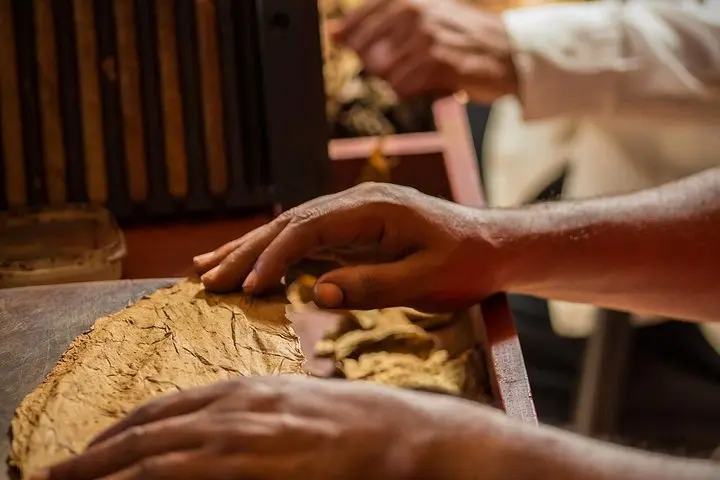
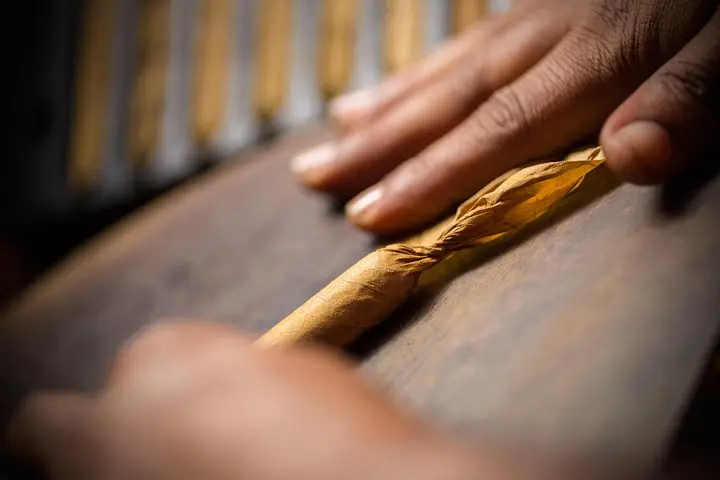
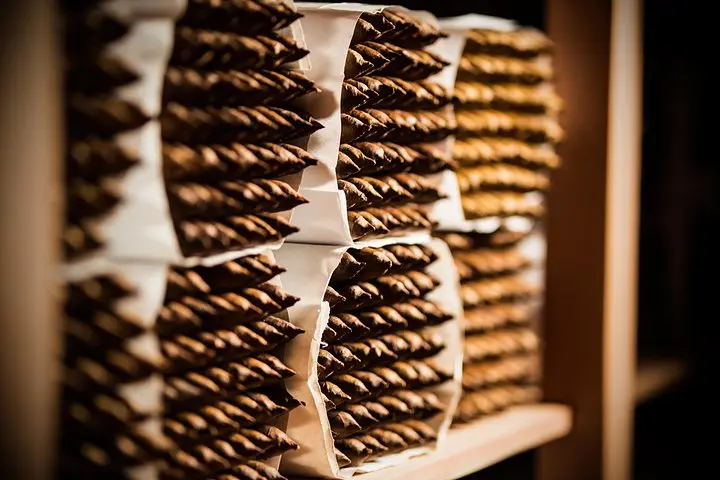
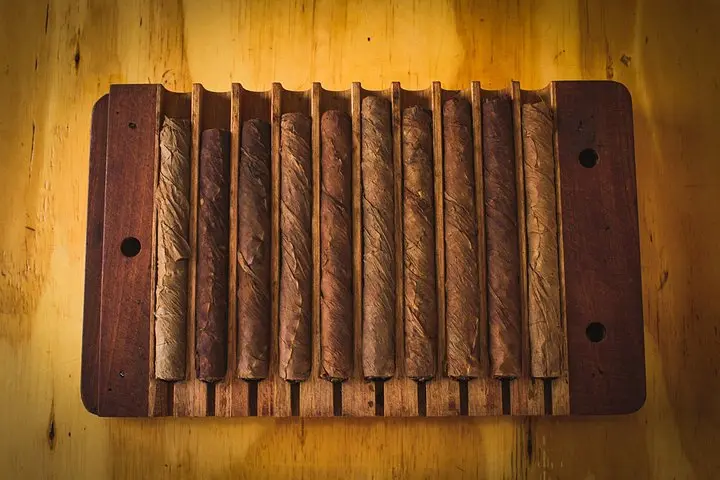
Steam of humid air and the scent of cured leaf meet you before the doors open — the aging room breathes slow and deliberate, as if the tobacco itself were counting the days. The Vivonte location a block from Central Park in Puerto Plata introduces visitors to the tactile craft of Dominican cigar making: seed beds, fermentation boxes, expert rollers and a final ribboned cigar handed to you with coffee or a mamajuana shot.
Verified experiences and guided adventures in the surrounding area.
Operated by Vivonte Cigar Factory & Lounge · Puerto Plata, Puerto Plata Province
Steam of humid air and the scent of cured leaf meet you before the doors open — the aging room breathes slow and deliberate, as if the tobacco itself were counting the days. The Vivonte location a block from Central Park in Puerto Plata introduces visitors to the tactile craft of Dominican cigar making: seed beds, fermentation boxes, expert rollers and a final ribboned cigar handed to you with coffee or a mamajuana shot.
The Dominican Republic’s cigar legacy grew rapidly after the Cuban revolution, when growers and master rollers migrated and adapted island soils to new varietals. Visitors learn how mountain-grown ligero and shade tobaccos differ, why fermentation shapes flavor, and how construction — filler, binder, wrapper — predicts a cigar’s burn and draw. The tour threads cultural notes about mamajuana (a local herbal rum infusion) and mountain-roasted coffee, both sold on site, tying local tastes to the craft economy of the North Coast.
Practical guidance is straightforward: expect 60–120 minutes standing and moving through small production areas; smoking is demonstrated in designated spaces, and guests can try hand-rolling under supervision. Bring ID for purchases, wear closed-toe shoes for the production floor, and budget local currency or card for coffee, mamajuana bottles or boxes of cigars. Morning visits avoid heat and crowds; late afternoons make for easy strolls along the Malecon afterward. The tour pairs cultural history with a hands-on glimpse of artisanal manufacture, an accessible, sensory way to understand a product made from soil, skill and time.
Smoking is demonstrated in designated areas; guests are shown proper lighting and smoking technique, but smoking may be restricted to specific spaces.
Yes—tour description notes stroller access and suitability for all fitness levels, but tobacco production areas may have strong odors and are best for older children only.
Guests are often invited to try hand-rolling under supervision; staff guide technique and offer feedback.
Standard booking includes a tour escort; private transport and pickups from the North Coast are available for a modest extra fee if arranged in advance.
Vivonte Cigar Factory & Lounge operates guided outdoor trips and adventures with an emphasis on safety, stewardship, and memorable experiences.
Steam of humid air and the scent of cured leaf meet you before the doors open — the aging room breathes slow and deliberate, as if the tobacco itself were counting the days. The Vivonte location a block from Central Park in Puerto Plata introduces visitors to the tactile craft of Dominican cigar making: seed beds, fermentation boxes, expert rollers and a final ribboned cigar handed to you with coffee or a mamajuana shot.
Steam of humid air and the scent of cured leaf meet you before the doors open — the aging room breathes slow and deliberate, as if the tobacco itself were counting the days. The Vivonte location a block from Central Park in Puerto Plata introduces visitors to the tactile craft of Dominican cigar making: seed beds, fermentation boxes, expert rollers and a final ribboned cigar handed to you with coffee or a mamajuana shot.
The Dominican Republic’s cigar legacy grew rapidly after the Cuban revolution, when growers and master rollers migrated and adapted island soils to new varietals. Visitors learn how mountain-grown ligero and shade tobaccos differ, why fermentation shapes flavor, and how construction — filler, binder, wrapper — predicts a cigar’s burn and draw. The tour threads cultural notes about mamajuana (a local herbal rum infusion) and mountain-roasted coffee, both sold on site, tying local tastes to the craft economy of the North Coast.
Practical guidance is straightforward: expect 60–120 minutes standing and moving through small production areas; smoking is demonstrated in designated spaces, and guests can try hand-rolling under supervision. Bring ID for purchases, wear closed-toe shoes for the production floor, and budget local currency or card for coffee, mamajuana bottles or boxes of cigars. Morning visits avoid heat and crowds; late afternoons make for easy strolls along the Malecon afterward. The tour pairs cultural history with a hands-on glimpse of artisanal manufacture, an accessible, sensory way to understand a product made from soil, skill and time.