THE ADVENTURE COLLECTIVE® · Independent discovery and booking for outdoor travel

Step off the highway and into a working Maasai village: learn beading, share a fire-cooked lunch, hear warrior stories and take part in daily tasks. This seven-hour cultural immersion near Nairobi balances hands-on learning with thoughtful context about Maasai life.
Step off the highway and into a working Maasai village: learn beading, share a fire-cooked lunch, hear warrior stories and take part in daily tasks. This seven-hour cultural immersion near Nairobi balances hands-on learning with thoughtful context about Maasai life.
The sun is high and dry dust lifts in a slow cloud as the minivan pulls off the tarmac and onto a red earth track. Children run ahead, voices knitting with the rhythm of goats and cattle, while women in bright shukas move with purposeful calm. By the time you step from the vehicle, the village has already positioned itself—curious, welcoming, and alive with ritual.
Verified experiences and guided adventures in the surrounding area.
Operated by One Horizon Africa · Nairobi, Nairobi County
The sun is high and dry dust lifts in a slow cloud as the minivan pulls off the tarmac and onto a red earth track. Children run ahead, voices knitting with the rhythm of goats and cattle, while women in bright shukas move with purposeful calm. By the time you step from the vehicle, the village has already positioned itself—curious, welcoming, and alive with ritual.
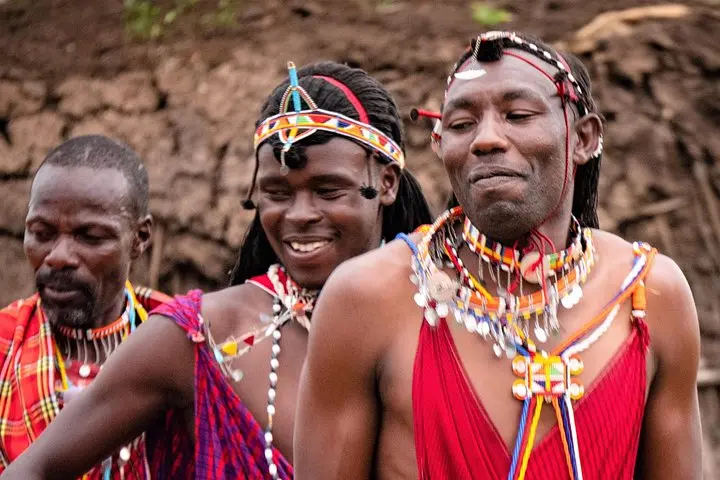
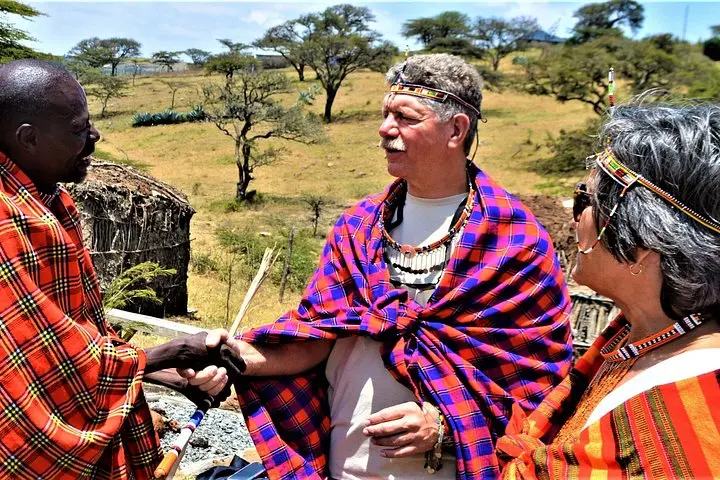
This One Horizon day tour drops you into the social heart of Maasai life: a place where cattle are currency, stories hold law, and beading is both art and lineage. The welcome is a song and a leap—the morans (young warriors) demonstrate the famous high jump while elders explain land stewardship and rites of passage. You’re offered a shuka to wear, taught to grind millet and start an open-fire stove, and invited to help construct a manyatta, the traditional temporary homestead built from acacia saplings, mud and dung.
The Maasai occupy semi-arid plains where geology is honest—flattish red soils, weathered koppies and seasonal riverbeds dictate movement. Their culture developed in response: semi-nomadic herding, communal grazing, and social structures that center respect for elders and ritualized transitions to adulthood. Herbal knowledge runs deep—women and elders point out native plants used for healing and livestock care, linking botanical practice to daily survival.
Practicality underpins every moment. The day includes hotel pickup, bottled water, lunch cooked over coals, and return transfers in air‑conditioned vehicles. Expect a steady seven-hour rhythm: a drive out of Nairobi, a tour led by an elder, hands-on activities with women, beading lessons, and time with morans to hear their stories.
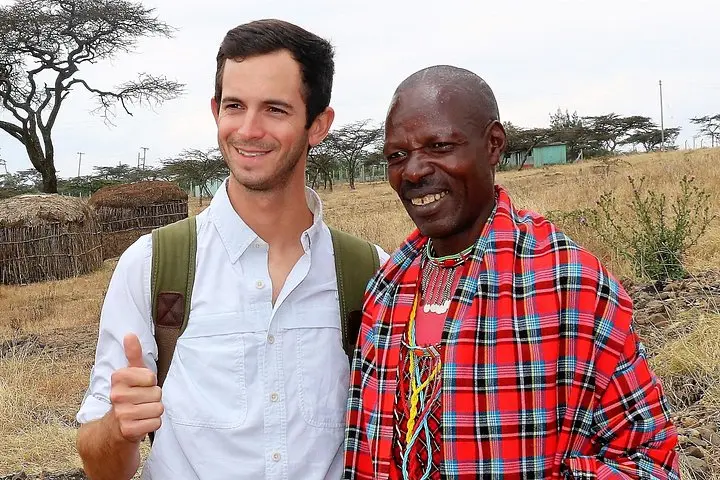
For travelers, the experience is sensory and instructive. Wear sturdy closed-toe shoes for the uneven ground, bring a hat and sun protection, and carry small Kenyan shillings if you want extra beaded souvenirs. Respect is paramount—ask before photographing people, especially children, and follow guidance when handling ritual objects. Engage, but do not stage scenes; authenticity here is living practice, not performance.
This is more than a photo op; it’s a short cultural immersion that foregrounds Maasai knowledge about land, livestock and community. The exchange is intentional: you learn, the Maasai share, and both sides leave with a clearer picture of life on the edge of Nairobi’s urban sprawl. For travelers who want practical insight into Kenyan pastoral culture—its challenges, its celebrations—this day leaves a mark without requiring you to leave the road behind.
The experience is approximately seven hours, including hotel transfers from Nairobi and a guided visit to the Maasai village.
Yes—families with children are welcome; activities are hands-on and the tour is rated easy, but supervise interactions with livestock.
Lunch and fresh fruit are included; meals are traditionally prepared over an open fire by Maasai women.
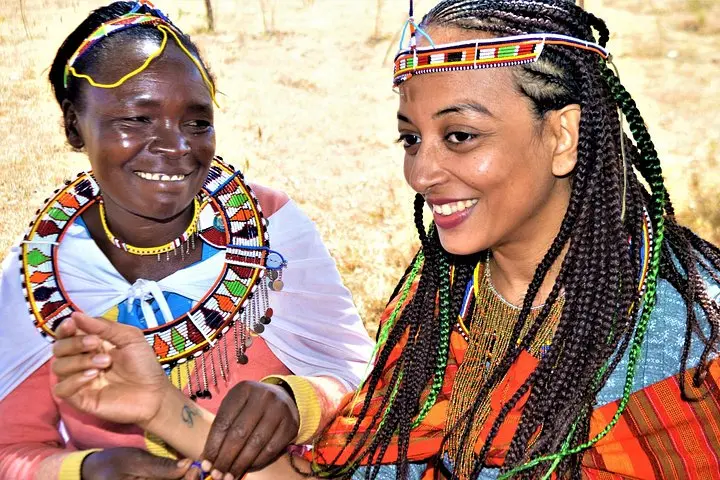
Yes—there’s an opportunity to make and purchase Maasai beaded jewelry; bring cash in Kenyan shillings.
The tour is an interactive cultural exchange led by village elders and families; while some elements are structured for visitors, much of the day reflects real daily practices.
Bring basic sun protection and any personal medications; follow guides’ instructions around livestock and avoid wandering off without permission.
One Horizon Africa operates guided outdoor trips and adventures with an emphasis on safety, stewardship, and memorable experiences.
The sun is high and dry dust lifts in a slow cloud as the minivan pulls off the tarmac and onto a red earth track. Children run ahead, voices knitting with the rhythm of goats and cattle, while women in bright shukas move with purposeful calm. By the time you step from the vehicle, the village has already positioned itself—curious, welcoming, and alive with ritual.
The sun is high and dry dust lifts in a slow cloud as the minivan pulls off the tarmac and onto a red earth track. Children run ahead, voices knitting with the rhythm of goats and cattle, while women in bright shukas move with purposeful calm. By the time you step from the vehicle, the village has already positioned itself—curious, welcoming, and alive with ritual.
This One Horizon day tour drops you into the social heart of Maasai life: a place where cattle are currency, stories hold law, and beading is both art and lineage. The welcome is a song and a leap—the morans (young warriors) demonstrate the famous high jump while elders explain land stewardship and rites of passage. You’re offered a shuka to wear, taught to grind millet and start an open-fire stove, and invited to help construct a manyatta, the traditional temporary homestead built from acacia saplings, mud and dung.
The Maasai occupy semi-arid plains where geology is honest—flattish red soils, weathered koppies and seasonal riverbeds dictate movement. Their culture developed in response: semi-nomadic herding, communal grazing, and social structures that center respect for elders and ritualized transitions to adulthood. Herbal knowledge runs deep—women and elders point out native plants used for healing and livestock care, linking botanical practice to daily survival.
Practicality underpins every moment. The day includes hotel pickup, bottled water, lunch cooked over coals, and return transfers in air‑conditioned vehicles. Expect a steady seven-hour rhythm: a drive out of Nairobi, a tour led by an elder, hands-on activities with women, beading lessons, and time with morans to hear their stories.
For travelers, the experience is sensory and instructive. Wear sturdy closed-toe shoes for the uneven ground, bring a hat and sun protection, and carry small Kenyan shillings if you want extra beaded souvenirs. Respect is paramount—ask before photographing people, especially children, and follow guidance when handling ritual objects. Engage, but do not stage scenes; authenticity here is living practice, not performance.
This is more than a photo op; it’s a short cultural immersion that foregrounds Maasai knowledge about land, livestock and community. The exchange is intentional: you learn, the Maasai share, and both sides leave with a clearer picture of life on the edge of Nairobi’s urban sprawl. For travelers who want practical insight into Kenyan pastoral culture—its challenges, its celebrations—this day leaves a mark without requiring you to leave the road behind.