THE ADVENTURE COLLECTIVE® · Independent discovery and booking for outdoor travel

Spend a day inside a living Maasai community in Kajiado County—milking goats, learning beadwork, and sharing meals with families who maintain pastoral traditions. This hands-on visit emphasizes genuine exchange over performance.
Spend a day inside a living Maasai community in Kajiado County—milking goats, learning beadwork, and sharing meals with families who maintain pastoral traditions. This hands-on visit emphasizes genuine exchange over performance.
Dry red dust kicks up beneath the minibus as you pull onto a narrow track in Kajiado County; acacia thorns stitch the skyline and children's laughter threads through the air. You step into a compound where smoke from cooking fires curls around beaded necklaces drying in the sun, and everyday tasks—milking goats, grinding maize, weaving—are invitations rather than performances.
Verified experiences and guided adventures in the surrounding area.
Operated by day to day Tours and safaris, Kenya · Kajiado, Kajiado County
Dry red dust kicks up beneath the minibus as you pull onto a narrow track in Kajiado County; acacia thorns stitch the skyline and children's laughter threads through the air. You step into a compound where smoke from cooking fires curls around beaded necklaces drying in the sun, and everyday tasks—milking goats, grinding maize, weaving—are invitations rather than performances.
The Maasai are a Nilotic pastoral people whose identity grew from cattle herding and mobility. The community you visit preserves rituals and practical skills shaped by the semi-arid plains south of the Rift Valley: lean soils, seasonal grass, and an economy organized around livestock. Expect to learn about warrior roles, age-set systems, and the significance of bead colors and patterns during hands-on sessions with local women who weave and teach.
This is not a staged spectacle. You participate—milking, cooking, beading—guided by hosts who balance hospitality with everyday life. The host village is wheelchair-accessible and the tour typically runs 6–7 hours with hotel pickup from Nairobi; lunch is at your own expense. Bring cash for authentic beadwork purchases and small tips, wear closed-toe shoes for uneven yards, and cover shoulders and knees to show respect.
Practical timing matters: mornings are cooler for active participation; late afternoon brings long shadows and cooler air. Approach with curiosity and clear boundaries—ask before photographing people or interiors. The result is a grounded cultural exchange that leaves you with more than photos: a clearer understanding of pastoral life and the local efforts to adapt traditional practices to modern pressures.
The tour runs about 6–7 hours, including hotel pickup from Nairobi, time in the Maasai community for hands-on activities (milking, beadwork, cooking demonstrations), and return transfer; lunch is typically at your own expense.
Yes—this operator notes wheelchair accessibility for transportation and village surfaces, but check in advance for any specific mobility needs or assistance requirements.
Always ask permission before photographing individuals or interior spaces—many people will agree, but respectful consent is required, particularly for close portraits or ritual activities.
Children can join and often enjoy interactive activities; supervisors should ensure kids are supervised around livestock and open fires.
day to day Tours and safaris, Kenya operates guided outdoor trips and adventures with an emphasis on safety, stewardship, and memorable experiences.
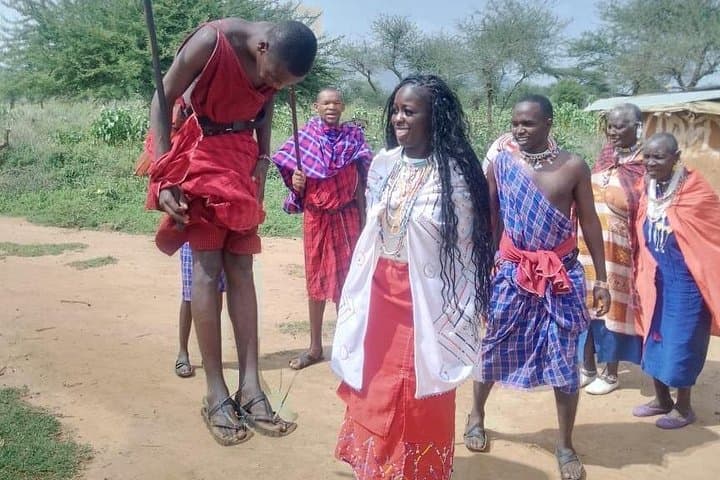


Dry red dust kicks up beneath the minibus as you pull onto a narrow track in Kajiado County; acacia thorns stitch the skyline and children's laughter threads through the air. You step into a compound where smoke from cooking fires curls around beaded necklaces drying in the sun, and everyday tasks—milking goats, grinding maize, weaving—are invitations rather than performances.
Dry red dust kicks up beneath the minibus as you pull onto a narrow track in Kajiado County; acacia thorns stitch the skyline and children's laughter threads through the air. You step into a compound where smoke from cooking fires curls around beaded necklaces drying in the sun, and everyday tasks—milking goats, grinding maize, weaving—are invitations rather than performances.
The Maasai are a Nilotic pastoral people whose identity grew from cattle herding and mobility. The community you visit preserves rituals and practical skills shaped by the semi-arid plains south of the Rift Valley: lean soils, seasonal grass, and an economy organized around livestock. Expect to learn about warrior roles, age-set systems, and the significance of bead colors and patterns during hands-on sessions with local women who weave and teach.
This is not a staged spectacle. You participate—milking, cooking, beading—guided by hosts who balance hospitality with everyday life. The host village is wheelchair-accessible and the tour typically runs 6–7 hours with hotel pickup from Nairobi; lunch is at your own expense. Bring cash for authentic beadwork purchases and small tips, wear closed-toe shoes for uneven yards, and cover shoulders and knees to show respect.
Practical timing matters: mornings are cooler for active participation; late afternoon brings long shadows and cooler air. Approach with curiosity and clear boundaries—ask before photographing people or interiors. The result is a grounded cultural exchange that leaves you with more than photos: a clearer understanding of pastoral life and the local efforts to adapt traditional practices to modern pressures.