THE ADVENTURE COLLECTIVE® · Independent discovery and booking for outdoor travel

Step into a Kawasaki sento and learn the simple, social ritual of Japanese public bathing. This two-hour experience mixes practical etiquette instruction with time to soak, admire tile art, and relax at the bathhouse cafe.
Step into a Kawasaki sento and learn the simple, social ritual of Japanese public bathing. This two-hour experience mixes practical etiquette instruction with time to soak, admire tile art, and relax at the bathhouse cafe.
Steam threads the air above ceramic tiles as visitors slip into a rhythm older than the city’s neon signs. In a typical Kawasaki sento, the rhythm is simple: wash, rinse, soak, rest — an urban ritual that softens the edges of a weekday and opens a window into everyday Japanese life.
Verified experiences and guided adventures in the surrounding area.
Operated by kenken tour · Kawasaki, Kanagawa
Steam threads the air above ceramic tiles as visitors slip into a rhythm older than the city’s neon signs. In a typical Kawasaki sento, the rhythm is simple: wash, rinse, soak, rest — an urban ritual that softens the edges of a weekday and opens a window into everyday Japanese life.
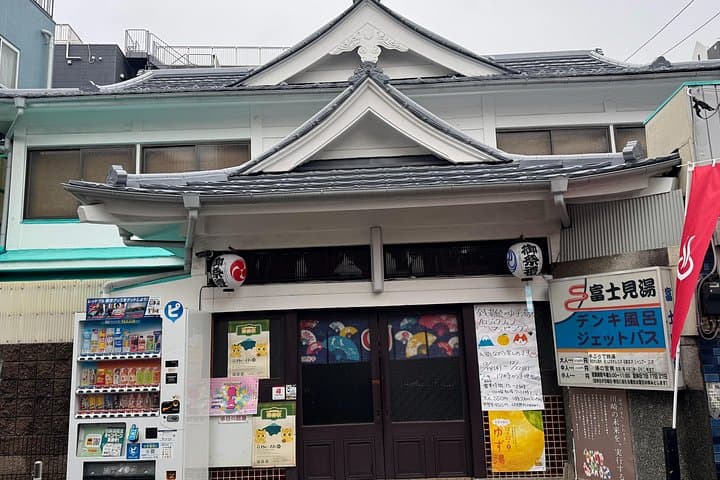
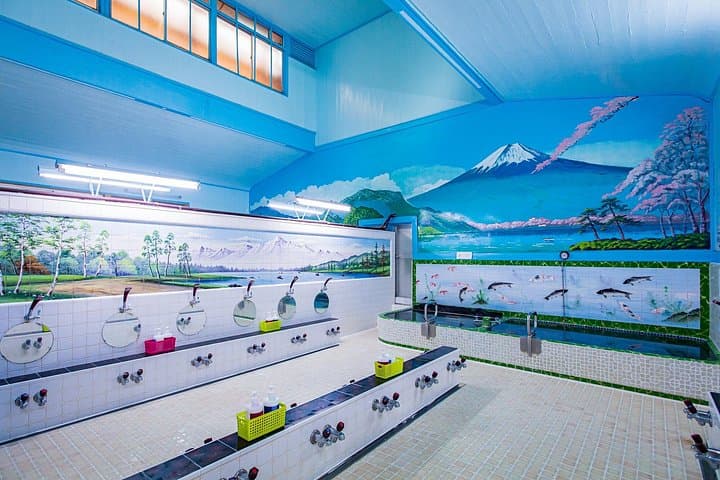
Public baths date to the Edo period when communal bathing became a civic practice; sento later complemented onsen culture where groundwater heat was absent. Many bathhouses wear decorative tiled murals, often Mount Fuji or seascapes, reflecting postwar restoration and a local pride in craftsmanship. The bathing rooms themselves are plain geometry and warm water — human-scaled spaces that encourage quiet conversation and decompression.
Culturally this is an etiquette-first experience: shower thoroughly before entering communal tubs, respect gender-segregated areas, and follow staff guidance. Kawasaki’s sento visitors today are a mix of longtime residents and curious travelers; the experience is social rather than performance.
Practical guidance: bookings usually allot about two hours; male guests on this tour may be guided by a certified Onsen Sommelier while female guests receive a full etiquette briefing. Expect entrance fees, a small complimentary face towel, and often a cafe or sitting area for tea afterward. Tattoos can be restricted — check in advance. Avoid if pregnant or if you have unmanaged cardiovascular conditions, and hydrate before and after soaking. Bring a fresh change of clothes and use lockers for valuables. Arrive 10–15 minutes early to store belongings and listen to the orientation. This is a compact cultural stop that rewards curiosity and quiet attention.
Yes — most traditional sento require nude bathing and are gender-segregated; modesty towels are used outside the tubs but not in them.
Policies vary: many older sento ban visible tattoos. Ask ahead or bring a covering if possible.
Children are typically welcome but must follow the same washing and bathing etiquette; check age rules with the specific facility.
This tour notes it’s not recommended for pregnant guests or those with serious cardiovascular conditions; consult staff or a doctor before participating.
kenken tour operates guided outdoor trips and adventures with an emphasis on safety, stewardship, and memorable experiences.


Steam threads the air above ceramic tiles as visitors slip into a rhythm older than the city’s neon signs. In a typical Kawasaki sento, the rhythm is simple: wash, rinse, soak, rest — an urban ritual that softens the edges of a weekday and opens a window into everyday Japanese life.
Steam threads the air above ceramic tiles as visitors slip into a rhythm older than the city’s neon signs. In a typical Kawasaki sento, the rhythm is simple: wash, rinse, soak, rest — an urban ritual that softens the edges of a weekday and opens a window into everyday Japanese life.
Public baths date to the Edo period when communal bathing became a civic practice; sento later complemented onsen culture where groundwater heat was absent. Many bathhouses wear decorative tiled murals, often Mount Fuji or seascapes, reflecting postwar restoration and a local pride in craftsmanship. The bathing rooms themselves are plain geometry and warm water — human-scaled spaces that encourage quiet conversation and decompression.
Culturally this is an etiquette-first experience: shower thoroughly before entering communal tubs, respect gender-segregated areas, and follow staff guidance. Kawasaki’s sento visitors today are a mix of longtime residents and curious travelers; the experience is social rather than performance.
Practical guidance: bookings usually allot about two hours; male guests on this tour may be guided by a certified Onsen Sommelier while female guests receive a full etiquette briefing. Expect entrance fees, a small complimentary face towel, and often a cafe or sitting area for tea afterward. Tattoos can be restricted — check in advance. Avoid if pregnant or if you have unmanaged cardiovascular conditions, and hydrate before and after soaking. Bring a fresh change of clothes and use lockers for valuables. Arrive 10–15 minutes early to store belongings and listen to the orientation. This is a compact cultural stop that rewards curiosity and quiet attention.