THE ADVENTURE COLLECTIVE® · Independent discovery and booking for outdoor travel

Step behind the gates of the world’s leading falcon treatment center to watch live examinations, enter shaded aviaries, and learn how falconry and modern medicine intersect in Abu Dhabi. Practical tips included for timing, clothing, and photo etiquette.
Step behind the gates of the world’s leading falcon treatment center to watch live examinations, enter shaded aviaries, and learn how falconry and modern medicine intersect in Abu Dhabi. Practical tips included for timing, clothing, and photo etiquette.
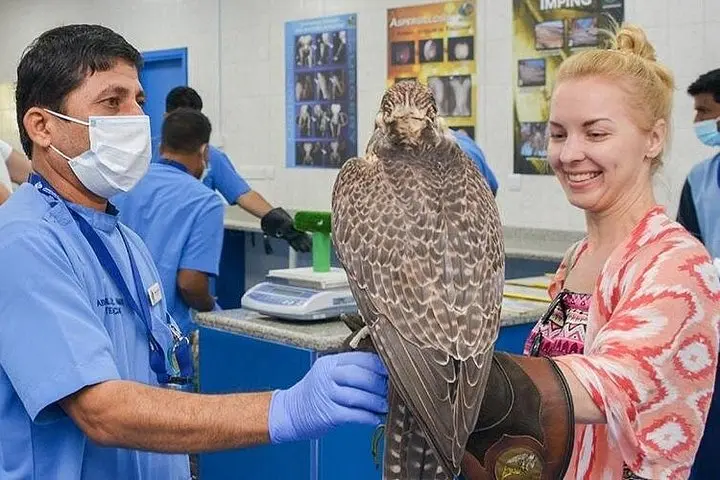
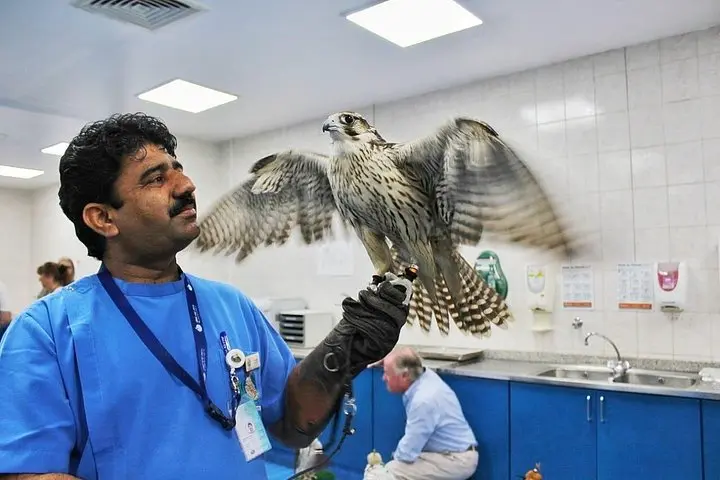
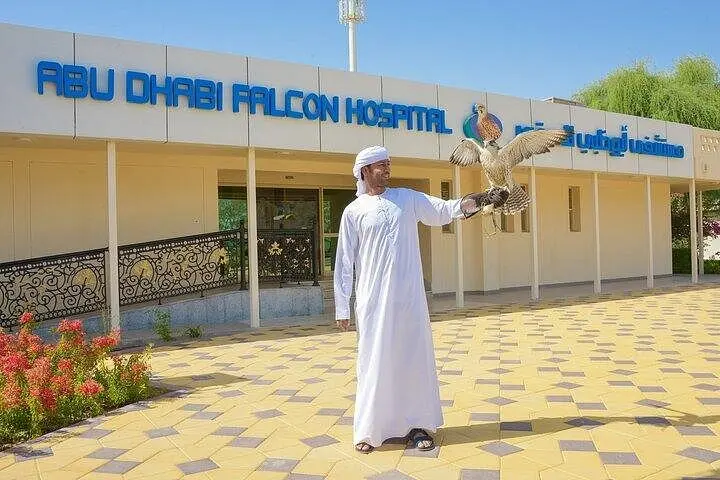
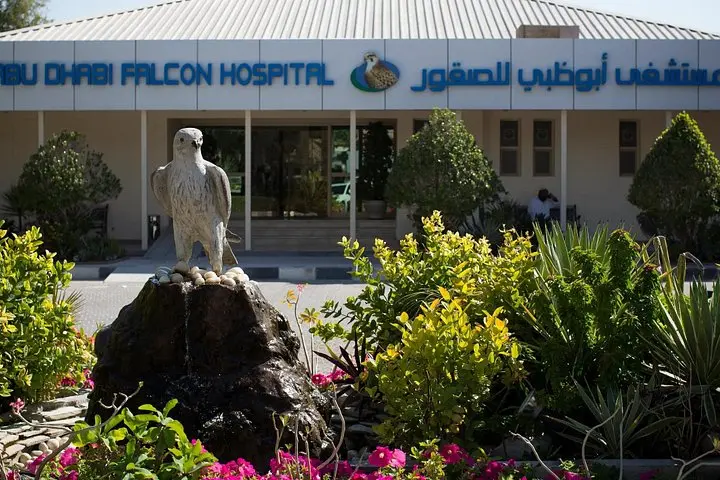
You arrive under the flat Gulf light and the air smells faintly of sand and citrus; beyond a low compound wall the hospital’s aviaries hum with movement. Falcons stand like living sculptures on perches, eyes sharp and restless, tails flicking as handlers move between shaded corridors and treatment rooms. The tour moves at a careful pace—observation, explanation, and an opportunity to hold a trained bird while a veterinarian explains the clinical checks and rehabilitation that keep this national tradition alive.
Verified experiences and guided adventures in the surrounding area.
Operated by Visitors Destination Tours & Safari · Abu Dhabi, Abu Dhabi
You arrive under the flat Gulf light and the air smells faintly of sand and citrus; beyond a low compound wall the hospital’s aviaries hum with movement. Falcons stand like living sculptures on perches, eyes sharp and restless, tails flicking as handlers move between shaded corridors and treatment rooms. The tour moves at a careful pace—observation, explanation, and an opportunity to hold a trained bird while a veterinarian explains the clinical checks and rehabilitation that keep this national tradition alive.
Falconry in the UAE dates back centuries as both survival skill and status marker; the hospital itself grew from a private clinic into the world’s largest dedicated facility for raptor medicine. The site sits on the coastal plain of Abu Dhabi, where human settlements have long adapted to heat and scarce water; the hospital’s design reflects that climate—shaded aviaries, evaporative cooling, and a focus on preventative care.
Culturally, the experience bridges modern veterinary science and Bedouin practice: handlers share stories about migration, training rhythms, and the bond between falconer and bird. Expect to see live examinations, a free-flight aviary demonstration, and chances for photos with trained birds under supervision.
Practical guidance: book morning slots in cooler months to avoid midday heat, wear lightweight long sleeves and a hat, and leave large bags at your hotel as the site restricts luggage. The tour is accessible to most fitness levels but is best for those who can remain calm around large birds. Bring a camera, follow handlers’ instructions for safety, and be prepared for close-up encounters that emphasize respect and conservation.
Yes—under close supervision you may hold a trained falcon for a photo; handlers will brief you on how to support the bird and when to remove gloves.
Children are welcome but must be supervised; handlers may restrict close interaction for very young children for safety reasons.
Many tour options include hotel pick-up and drop-off—check your booking details; some tickets are for entry only without transfers.
Flash photography is generally discouraged during examinations; follow staff directions to avoid stressing the birds and affecting diagnostic procedures.
Visitors Destination Tours & Safari operates guided outdoor trips and adventures with an emphasis on safety, stewardship, and memorable experiences.
You arrive under the flat Gulf light and the air smells faintly of sand and citrus; beyond a low compound wall the hospital’s aviaries hum with movement. Falcons stand like living sculptures on perches, eyes sharp and restless, tails flicking as handlers move between shaded corridors and treatment rooms. The tour moves at a careful pace—observation, explanation, and an opportunity to hold a trained bird while a veterinarian explains the clinical checks and rehabilitation that keep this national tradition alive.
You arrive under the flat Gulf light and the air smells faintly of sand and citrus; beyond a low compound wall the hospital’s aviaries hum with movement. Falcons stand like living sculptures on perches, eyes sharp and restless, tails flicking as handlers move between shaded corridors and treatment rooms. The tour moves at a careful pace—observation, explanation, and an opportunity to hold a trained bird while a veterinarian explains the clinical checks and rehabilitation that keep this national tradition alive.
Falconry in the UAE dates back centuries as both survival skill and status marker; the hospital itself grew from a private clinic into the world’s largest dedicated facility for raptor medicine. The site sits on the coastal plain of Abu Dhabi, where human settlements have long adapted to heat and scarce water; the hospital’s design reflects that climate—shaded aviaries, evaporative cooling, and a focus on preventative care.
Culturally, the experience bridges modern veterinary science and Bedouin practice: handlers share stories about migration, training rhythms, and the bond between falconer and bird. Expect to see live examinations, a free-flight aviary demonstration, and chances for photos with trained birds under supervision.
Practical guidance: book morning slots in cooler months to avoid midday heat, wear lightweight long sleeves and a hat, and leave large bags at your hotel as the site restricts luggage. The tour is accessible to most fitness levels but is best for those who can remain calm around large birds. Bring a camera, follow handlers’ instructions for safety, and be prepared for close-up encounters that emphasize respect and conservation.