THE ADVENTURE COLLECTIVE® · Independent discovery and booking for outdoor travel

A private 5–5.5 hour guided walking tour that pairs the monumental documents of the National Archives with the faces and art of the National Portrait Gallery and Smithsonian American Art Museum. Ideal for visitors who want skip-the-line access and expert context.
A private 5–5.5 hour guided walking tour that pairs the monumental documents of the National Archives with the faces and art of the National Portrait Gallery and Smithsonian American Art Museum. Ideal for visitors who want skip-the-line access and expert context.
Stand on the corner of 9th Street NW and Constitution Avenue and feel the city change pace — traffic and modern glass give way to marble steps and the hush of a rotunda where paper shapes the nation.
Verified experiences and guided adventures in the surrounding area.
Operated by Babylon Tours DC · Washington, DC
Stand on the corner of 9th Street NW and Constitution Avenue and feel the city change pace — traffic and modern glass give way to marble steps and the hush of a rotunda where paper shapes the nation.
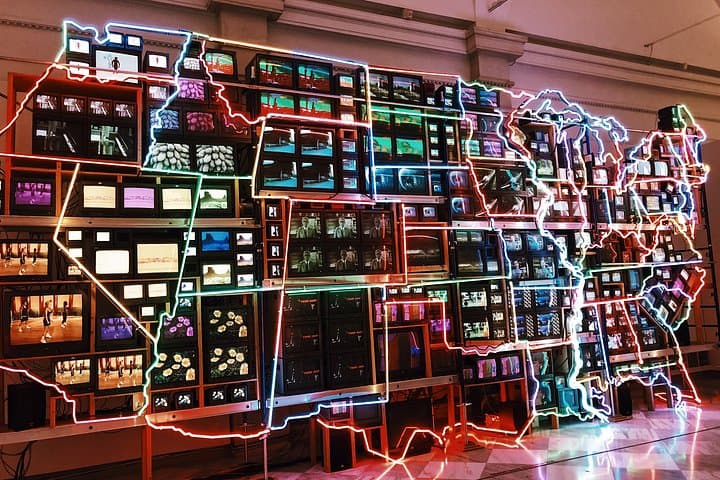
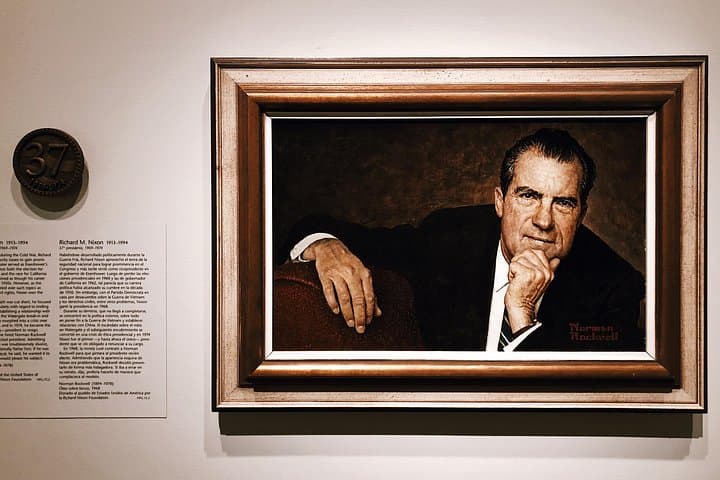
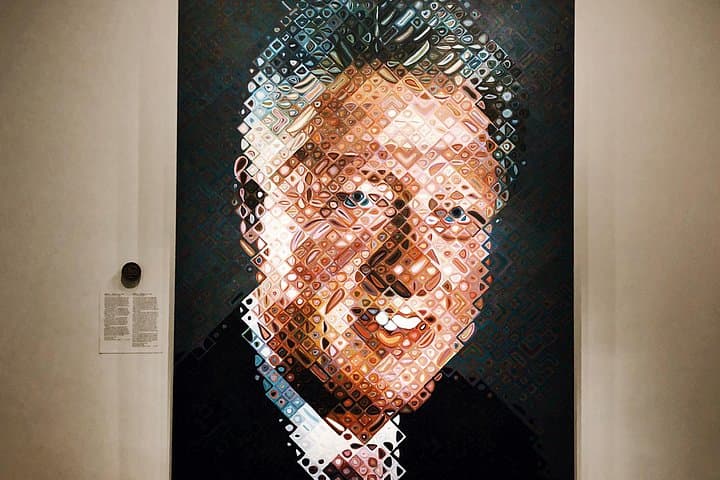
This private 5–5.5 hour walking tour moves from the National Archives’ dim, reverent Rotunda, home to the original Declaration, Constitution and Bill of Rights, across the Mall’s broad, historic axis to the Smithsonian’s Portrait Gallery and American Art Museum. Guides thread together founding-era politics, the Magna Carta’s legacy, and the visual culture that followed: presidential likenesses, 20th-century American painting, and conservation labs that reveal how fragile artifacts survive centuries.
Geologically the Mall sits on the Atlantic Coastal Plain; the city’s low, flat profile and proximity to the Potomac shaped early settlement and the placement of civic institutions you’ll visit. Culturally the tour centers on contested narratives — who appears in portraits, who is absent, and how documents informed citizenship.
Practically: expect 2–3 hours inside the Archives’ galleries and another 2 hours in the portrait and American art spaces with a lunch break. Security screening and small-bag policies are enforced; wear comfortable shoes and weather-appropriate layers — you’ll walk between sites. The tour is wheelchair accessible but some rooms require quiet behavior. Ask your guide about conservation windows and lesser-seen items like the 1297 Magna Carta facsimile and the Luce Center lab viewing area. The experience balances close, curated viewing with big-picture history — ideal for travelers who want context as well as access.
Museums may occasionally close or restrict rooms; the operator provides alternatives when closures delay the visit beyond an hour but cannot always refund for partial closures.
Photography policies vary by room — the Rotunda allows photos without flash of the Charters, while some galleries or conservation areas restrict photography; your guide will clarify on-site.
Yes — both sites offer wheelchair access and the tour notes wheelchair-accessible transportation between locations; advise the operator when booking so they can accommodate.
The itinerary includes a lunch break but food is not provided; guides can recommend nearby options or accommodate a quick seated stop during the schedule.
Babylon Tours DC operates guided outdoor trips and adventures with an emphasis on safety, stewardship, and memorable experiences.

Stand on the corner of 9th Street NW and Constitution Avenue and feel the city change pace — traffic and modern glass give way to marble steps and the hush of a rotunda where paper shapes the nation.
Stand on the corner of 9th Street NW and Constitution Avenue and feel the city change pace — traffic and modern glass give way to marble steps and the hush of a rotunda where paper shapes the nation.
This private 5–5.5 hour walking tour moves from the National Archives’ dim, reverent Rotunda, home to the original Declaration, Constitution and Bill of Rights, across the Mall’s broad, historic axis to the Smithsonian’s Portrait Gallery and American Art Museum. Guides thread together founding-era politics, the Magna Carta’s legacy, and the visual culture that followed: presidential likenesses, 20th-century American painting, and conservation labs that reveal how fragile artifacts survive centuries.
Geologically the Mall sits on the Atlantic Coastal Plain; the city’s low, flat profile and proximity to the Potomac shaped early settlement and the placement of civic institutions you’ll visit. Culturally the tour centers on contested narratives — who appears in portraits, who is absent, and how documents informed citizenship.
Practically: expect 2–3 hours inside the Archives’ galleries and another 2 hours in the portrait and American art spaces with a lunch break. Security screening and small-bag policies are enforced; wear comfortable shoes and weather-appropriate layers — you’ll walk between sites. The tour is wheelchair accessible but some rooms require quiet behavior. Ask your guide about conservation windows and lesser-seen items like the 1297 Magna Carta facsimile and the Luce Center lab viewing area. The experience balances close, curated viewing with big-picture history — ideal for travelers who want context as well as access.