THE ADVENTURE COLLECTIVE® · Independent discovery and booking for outdoor travel

Hear Amsterdam’s canals tell their story inside a restored 17th‑century canal house. The Museum of the Canals pairs audiovisual exhibits with a concise 60‑minute audiotour that explains four centuries of water engineering, urban growth, and houseboat life.
Hear Amsterdam’s canals tell their story inside a restored 17th‑century canal house. The Museum of the Canals pairs audiovisual exhibits with a concise 60‑minute audiotour that explains four centuries of water engineering, urban growth, and houseboat life.
Step through a heavy 17th-century door and the city’s canals begin to speak. Light from tall sash windows falls across wooden beams and classical rooms while an audio guide in nine languages threads together the noise of barges, the clack of hooves and four centuries of trade. The Museum of the Canals occupies a canal house in the heart of Amsterdam’s UNESCO-listed canal ring and condenses the city’s watery engineering into a tidy, immersive hour.
Verified experiences and guided adventures in the surrounding area.
Operated by Grachtenmuseum Amsterdam · Amsterdam, North Holland
Step through a heavy 17th-century door and the city’s canals begin to speak. Light from tall sash windows falls across wooden beams and classical rooms while an audio guide in nine languages threads together the noise of barges, the clack of hooves and four centuries of trade. The Museum of the Canals occupies a canal house in the heart of Amsterdam’s UNESCO-listed canal ring and condenses the city’s watery engineering into a tidy, immersive hour.
Built during the Dutch Golden Age, the Amsterdam canal ring was carved into marsh and peat, creating concentric waterways that organized trade and real estate. The museum explains that deliberate land reclamation, ring dikes and a network of sluices turned a fishing port into a mercantile metropolis. Exhibits focus on canal construction, houseboat culture, and how water management shaped everyday life — from property lines to the city’s iconic gabled facades.
Visitors leave with a clearer map of the canals in their heads: which bridges are medieval, where the richest merchants lived, and how modern Amsterdam balances boat traffic, water quality and heritage protection.
Practical guidance: allow 60 minutes, download or use the included audiotour for context, and pair this visit with a short canal-side walk to see the architecture up close. The site is fully wheelchair- and stroller-accessible, and public transport stops nearby. For photographers, morning or late-afternoon light brings out warm tones on brick and water; for quieter crowds, aim for weekday mornings.
The standard visit is approximately 60 minutes, which covers the main audiovisual exhibition and garden.
Yes — all areas and surfaces are wheelchair accessible and the site accommodates strollers and service animals.
Yes — an audiotour in nine languages is included with admission.
Yes — multiple tram and bus lines stop within easy walking distance of the canal ring and the museum.
Grachtenmuseum Amsterdam operates guided outdoor trips and adventures with an emphasis on safety, stewardship, and memorable experiences.
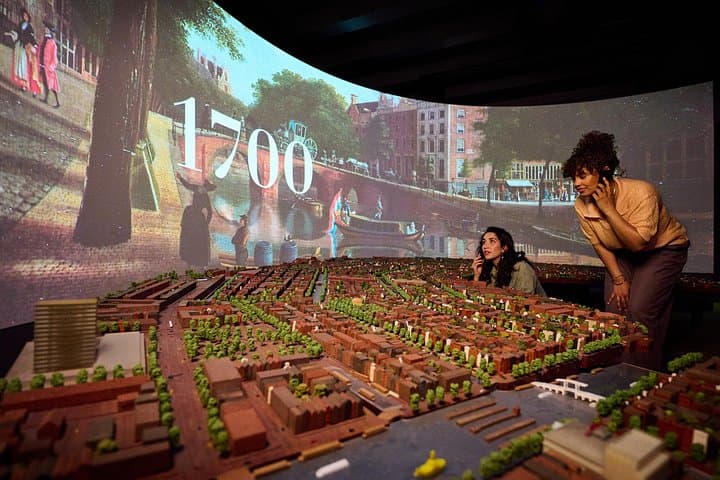


Step through a heavy 17th-century door and the city’s canals begin to speak. Light from tall sash windows falls across wooden beams and classical rooms while an audio guide in nine languages threads together the noise of barges, the clack of hooves and four centuries of trade. The Museum of the Canals occupies a canal house in the heart of Amsterdam’s UNESCO-listed canal ring and condenses the city’s watery engineering into a tidy, immersive hour.
Step through a heavy 17th-century door and the city’s canals begin to speak. Light from tall sash windows falls across wooden beams and classical rooms while an audio guide in nine languages threads together the noise of barges, the clack of hooves and four centuries of trade. The Museum of the Canals occupies a canal house in the heart of Amsterdam’s UNESCO-listed canal ring and condenses the city’s watery engineering into a tidy, immersive hour.
Built during the Dutch Golden Age, the Amsterdam canal ring was carved into marsh and peat, creating concentric waterways that organized trade and real estate. The museum explains that deliberate land reclamation, ring dikes and a network of sluices turned a fishing port into a mercantile metropolis. Exhibits focus on canal construction, houseboat culture, and how water management shaped everyday life — from property lines to the city’s iconic gabled facades.
Visitors leave with a clearer map of the canals in their heads: which bridges are medieval, where the richest merchants lived, and how modern Amsterdam balances boat traffic, water quality and heritage protection.
Practical guidance: allow 60 minutes, download or use the included audiotour for context, and pair this visit with a short canal-side walk to see the architecture up close. The site is fully wheelchair- and stroller-accessible, and public transport stops nearby. For photographers, morning or late-afternoon light brings out warm tones on brick and water; for quieter crowds, aim for weekday mornings.