THE ADVENTURE COLLECTIVE® · Independent discovery and booking for outdoor travel

Walk through compact plantations and a restored 1804 Canarian house on a 50–60 minute guided visit to Gran Canaria’s Banana Museum. Sample island-made banana wines and jams while learning how volcanic soils and microclimates shape this local crop.
Walk through compact plantations and a restored 1804 Canarian house on a 50–60 minute guided visit to Gran Canaria’s Banana Museum. Sample island-made banana wines and jams while learning how volcanic soils and microclimates shape this local crop.
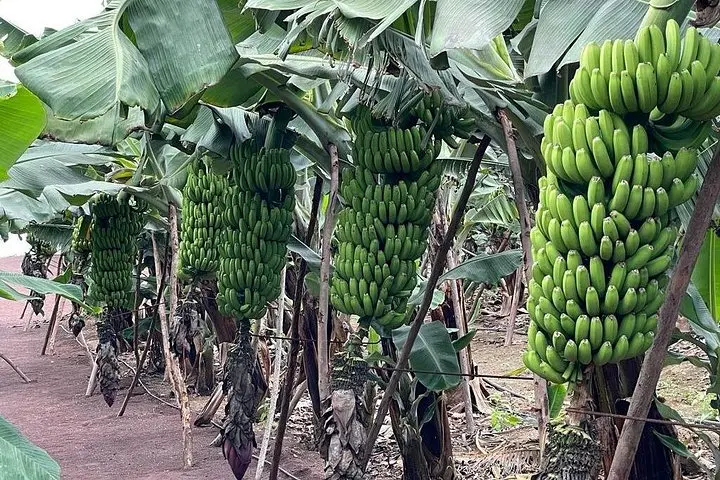
You step off the lane and into a green room where banana leaves tilt and catch the Atlantic breeze, their broad hands shading rows of compact trunks. The air smells faintly sweet and mineral—volcanic soil and ripening fruit—and a restored Canarian house from 1804 anchors the small farm, its stone and timber guiding the tour like a local storyteller.
Verified experiences and guided adventures in the surrounding area.
Operated by Mundo Del Plátano Gran Canaria · Arucas, Las Palmas
You step off the lane and into a green room where banana leaves tilt and catch the Atlantic breeze, their broad hands shading rows of compact trunks. The air smells faintly sweet and mineral—volcanic soil and ripening fruit—and a restored Canarian house from 1804 anchors the small farm, its stone and timber guiding the tour like a local storyteller.
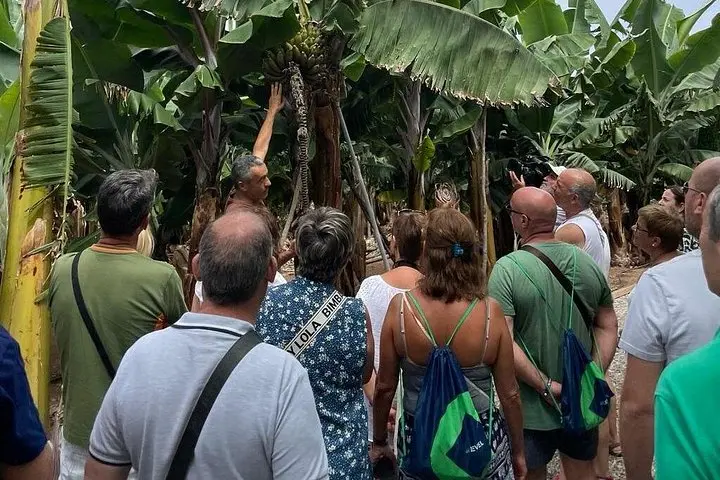
The Gran Canaria Banana Museum focuses on the island’s long relationship with the plantain and dessert banana: a crop shaped by volcanic soils, steep microclimates and centuries of small-scale cultivation. Walks through shaded beds explain propagation, irrigation and the terraces that make farming possible on uneven ground. The interpretation center uses simple displays and samples—artisan jams, banana wine and cosmetics—to show how a single fruit supports local culinary and craft traditions.
Culturally, the site links rural life to urban markets in Las Palmas; agronomy here blends traditional practices and modern pest management. Geologically, the farm sits on deeply weathered basalt that retains moisture and supports banana roots.
Practical guidance: tours run about 50–60 minutes, suitable for most fitness levels; expect some uneven, soft-ground paths and low steps in the historic house. Wear closed-toe shoes, bring water and sun protection, and plan mornings to avoid the strongest sun. Public transit reaches Arucas but driving is faster; parking is available. Tastings are included—ask at the shop about jams and banana wine. Note the tour advises against participation for pregnant visitors or those with serious spinal or cardiovascular conditions.
The standard visit runs approximately 50–60 minutes and includes a walk through the plantation and the interpretation center.
Yes—tastings of banana-based products such as jams and small pours of banana wine are included in the tour price.
There are historic steps and uneven farm paths; accessibility is limited—contact the operator to discuss specific needs.
Public buses serve Arucas from Las Palmas, but driving is faster; the site provides parking and is roughly a 10–15 minute drive from the city center.
Mundo Del Plátano Gran Canaria operates guided outdoor trips and adventures with an emphasis on safety, stewardship, and memorable experiences.
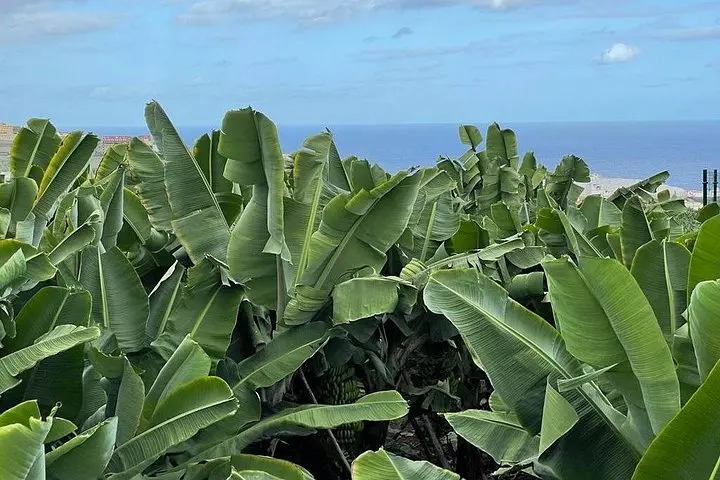
You step off the lane and into a green room where banana leaves tilt and catch the Atlantic breeze, their broad hands shading rows of compact trunks. The air smells faintly sweet and mineral—volcanic soil and ripening fruit—and a restored Canarian house from 1804 anchors the small farm, its stone and timber guiding the tour like a local storyteller.
You step off the lane and into a green room where banana leaves tilt and catch the Atlantic breeze, their broad hands shading rows of compact trunks. The air smells faintly sweet and mineral—volcanic soil and ripening fruit—and a restored Canarian house from 1804 anchors the small farm, its stone and timber guiding the tour like a local storyteller.
The Gran Canaria Banana Museum focuses on the island’s long relationship with the plantain and dessert banana: a crop shaped by volcanic soils, steep microclimates and centuries of small-scale cultivation. Walks through shaded beds explain propagation, irrigation and the terraces that make farming possible on uneven ground. The interpretation center uses simple displays and samples—artisan jams, banana wine and cosmetics—to show how a single fruit supports local culinary and craft traditions.
Culturally, the site links rural life to urban markets in Las Palmas; agronomy here blends traditional practices and modern pest management. Geologically, the farm sits on deeply weathered basalt that retains moisture and supports banana roots.
Practical guidance: tours run about 50–60 minutes, suitable for most fitness levels; expect some uneven, soft-ground paths and low steps in the historic house. Wear closed-toe shoes, bring water and sun protection, and plan mornings to avoid the strongest sun. Public transit reaches Arucas but driving is faster; parking is available. Tastings are included—ask at the shop about jams and banana wine. Note the tour advises against participation for pregnant visitors or those with serious spinal or cardiovascular conditions.