THE ADVENTURE COLLECTIVE® · Independent discovery and booking for outdoor travel

Walk among parrots, storks and the rare Bali Starling at a lush two-hectare park that blends hands-on encounters with conservation. This guide covers what to expect, best times to visit, and how to make the most of the bird shows and feeding sessions.
Walk among parrots, storks and the rare Bali Starling at a lush two-hectare park that blends hands-on encounters with conservation. This guide covers what to expect, best times to visit, and how to make the most of the bird shows and feeding sessions.
Step through a shaded gate and the heat of Bali gives way to another rhythm: wings rustling, calls skittering through layered palms, and a path that curves between aviaries teeming with color.
Verified experiences and guided adventures in the surrounding area.
Operated by Bali Bird Park · Gianyar, Bali
Step through a shaded gate and the heat of Bali gives way to another rhythm: wings rustling, calls skittering through layered palms, and a path that curves between aviaries teeming with color.
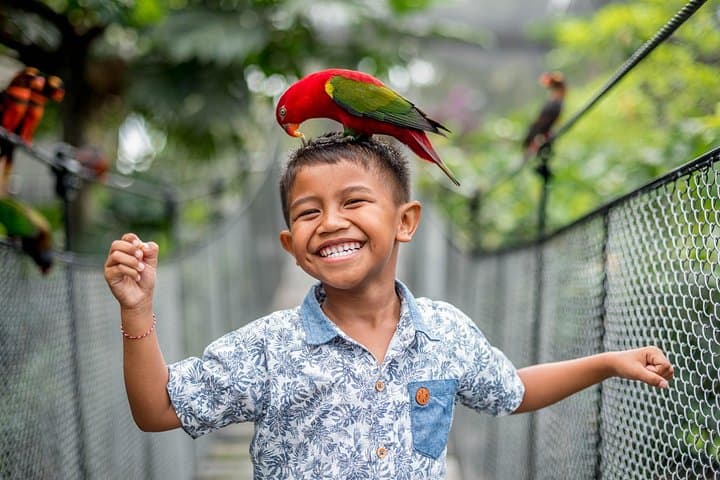
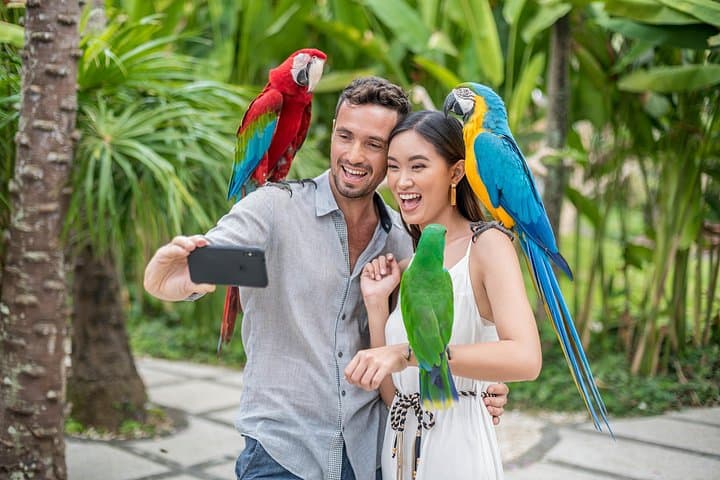
Bali Bird Park sits in a two-hectare tropical garden where more than 250 species—local rarities like the Bali Starling alongside Birds of Paradise—move close enough to study feathers and behavior. The design recreates habitats, from dense canopy to open wetlands, so geology and microclimate shape how species are displayed: volcanic soils support lush plantings that attract lorikeets, while constructed ponds host pelicans and cranes.
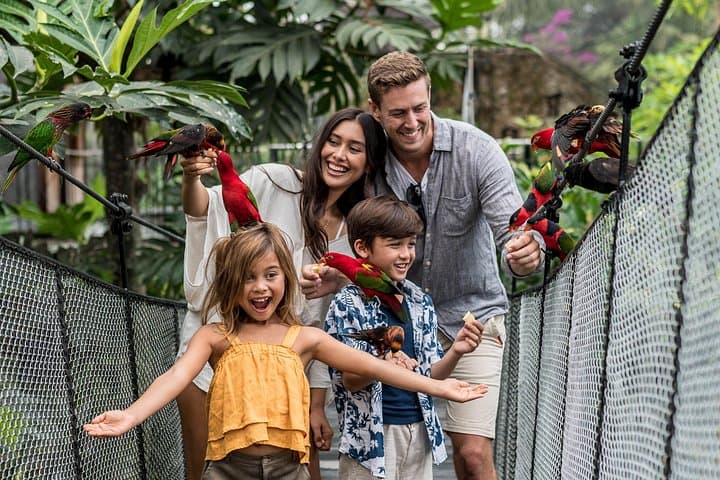
Culturally, the park is tied to Bali’s conservation history—its breeding programs helped rebuild local populations and provide educational outreach for island communities. Expect scheduled shows (free-flight and raptors) and feeding sessions that put birds at eye level; keepers explain native vs. introduced species and local efforts to protect sensitive birds.
Practical guidance: plan 2–3 hours to see main enclosures, catch the 10:30am and 4pm shows, and join a feeding session if available. Wear breathable, closed-toe shoes for paths that can be damp; bring a refillable water bottle and a light rain layer during the wet season. Photography is excellent—telephoto lenses capture secretive species—while binoculars bring distant aviaries into focus.
Accessibility is high: paths are stroller- and wheelchair-friendly. For a calmer visit, arrive at opening to avoid tour groups and enjoy cooler light on the aviaries. Respect viewing distances—young birds are sensitive—and carry out trash to support the park’s conservation mission.
Most visitors spend 2–3 hours to see main aviaries, catch at least one show and join a feeding experience.
Yes—daily free-flight and birds of prey shows occur (check times at entry); feeding sessions are offered and supervised by keepers.
Yes, paths are designed for wheelchair and stroller access and many exhibits are easy to view from paved walkways.
No—feeding is only permitted during organized sessions to protect bird health and safety.
Bali Bird Park operates guided outdoor trips and adventures with an emphasis on safety, stewardship, and memorable experiences.

Step through a shaded gate and the heat of Bali gives way to another rhythm: wings rustling, calls skittering through layered palms, and a path that curves between aviaries teeming with color.
Step through a shaded gate and the heat of Bali gives way to another rhythm: wings rustling, calls skittering through layered palms, and a path that curves between aviaries teeming with color.
Bali Bird Park sits in a two-hectare tropical garden where more than 250 species—local rarities like the Bali Starling alongside Birds of Paradise—move close enough to study feathers and behavior. The design recreates habitats, from dense canopy to open wetlands, so geology and microclimate shape how species are displayed: volcanic soils support lush plantings that attract lorikeets, while constructed ponds host pelicans and cranes.
Culturally, the park is tied to Bali’s conservation history—its breeding programs helped rebuild local populations and provide educational outreach for island communities. Expect scheduled shows (free-flight and raptors) and feeding sessions that put birds at eye level; keepers explain native vs. introduced species and local efforts to protect sensitive birds.
Practical guidance: plan 2–3 hours to see main enclosures, catch the 10:30am and 4pm shows, and join a feeding session if available. Wear breathable, closed-toe shoes for paths that can be damp; bring a refillable water bottle and a light rain layer during the wet season. Photography is excellent—telephoto lenses capture secretive species—while binoculars bring distant aviaries into focus.
Accessibility is high: paths are stroller- and wheelchair-friendly. For a calmer visit, arrive at opening to avoid tour groups and enjoy cooler light on the aviaries. Respect viewing distances—young birds are sensitive—and carry out trash to support the park’s conservation mission.