THE ADVENTURE COLLECTIVE® · Independent discovery and booking for outdoor travel

Tour Camp Nou, RCDE Stadium and historic neighborhood grounds with private transport, included admissions, and an expert local guide. This 4.5-hour tour blends big-club spectacle with grassroots Catalan football culture.
Tour Camp Nou, RCDE Stadium and historic neighborhood grounds with private transport, included admissions, and an expert local guide. This 4.5-hour tour blends big-club spectacle with grassroots Catalan football culture.
You step off the coach into a hum of chants and the metallic tang of a stadium under renovation — Camp Nou’s concrete ribs rising like a city within a city. The guide hands out two cold drinks and a quiz card; the day begins with stories that make walls feel like living archives.
Verified experiences and guided adventures in the surrounding area.
Operated by Football Culture Club · Barcelona, Catalonia
You step off the coach into a hum of chants and the metallic tang of a stadium under renovation — Camp Nou’s concrete ribs rising like a city within a city. The guide hands out two cold drinks and a quiz card; the day begins with stories that make walls feel like living archives.
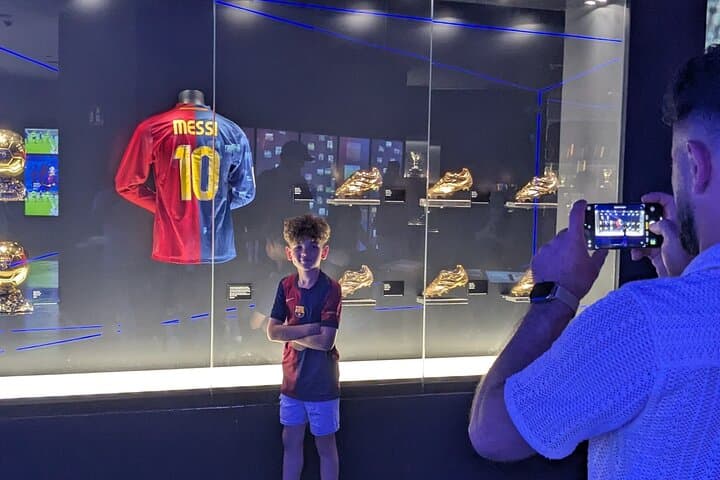
Barcelona’s football culture traces back to neighborhood clubs and 20th-century politics, growing into La Liga’s global stage. Geology and urban growth shaped each ground: Camp Nou’s modern scale in a dense district, Espanyol’s RCDE stadium in suburban Cornellà, and Nou Sardenya tucked between Gràcia’s narrow streets. The tour moves from glossy museum exhibits—trophies, interactive displays, construction views—to intimate grassroots sites where local teams train and rivalries still pulse.
Expect accessible walking, short stadium staircases, and private transfers that sew the route together. Guides contextualize matches, players, and the social role football has played in Catalonia’s identity, while also pointing out where modern design meets municipal planning in stadium redevelopments.
Practical advice: bring ID for stadium entry and a charged phone for photos and ticket QR codes. Comfortable shoes are key—most stops involve walking on mixed surfaces and climbing to viewpoints. Timing matters: midweek tours avoid match-day crowds but check club schedules during international fixtures. Wheelchair access is available at primary venues, yet advance notice ensures the smoothest experience.
By afternoon you’ll have moved from high-profile halls to neighborhood terraces, finishing in Gràcia ready to trade stadium lights for tapas and local conversation.
The tour lasts about 4–4.5 hours and includes private transportation, admissions to listed stadiums and museums, two complimentary drinks, and a guided visit to grassroots venues.
Yes—it's family-friendly and venues are wheelchair accessible, but notify the operator in advance to accommodate specific mobility needs.
You’ll access museum areas and designated viewing points; pitch-level access may be limited during renovation works depending on club restrictions.
Admissions and the included drinks are covered; souvenirs and meals at stops are at your own expense, though guides can recommend nearby restaurants.
Football Culture Club operates guided outdoor trips and adventures with an emphasis on safety, stewardship, and memorable experiences.


You step off the coach into a hum of chants and the metallic tang of a stadium under renovation — Camp Nou’s concrete ribs rising like a city within a city. The guide hands out two cold drinks and a quiz card; the day begins with stories that make walls feel like living archives.
You step off the coach into a hum of chants and the metallic tang of a stadium under renovation — Camp Nou’s concrete ribs rising like a city within a city. The guide hands out two cold drinks and a quiz card; the day begins with stories that make walls feel like living archives.
Barcelona’s football culture traces back to neighborhood clubs and 20th-century politics, growing into La Liga’s global stage. Geology and urban growth shaped each ground: Camp Nou’s modern scale in a dense district, Espanyol’s RCDE stadium in suburban Cornellà, and Nou Sardenya tucked between Gràcia’s narrow streets. The tour moves from glossy museum exhibits—trophies, interactive displays, construction views—to intimate grassroots sites where local teams train and rivalries still pulse.
Expect accessible walking, short stadium staircases, and private transfers that sew the route together. Guides contextualize matches, players, and the social role football has played in Catalonia’s identity, while also pointing out where modern design meets municipal planning in stadium redevelopments.
Practical advice: bring ID for stadium entry and a charged phone for photos and ticket QR codes. Comfortable shoes are key—most stops involve walking on mixed surfaces and climbing to viewpoints. Timing matters: midweek tours avoid match-day crowds but check club schedules during international fixtures. Wheelchair access is available at primary venues, yet advance notice ensures the smoothest experience.
By afternoon you’ll have moved from high-profile halls to neighborhood terraces, finishing in Gràcia ready to trade stadium lights for tapas and local conversation.