THE ADVENTURE COLLECTIVE® · Independent discovery and booking for outdoor travel

Enter the Luxor’s cool pyramid to examine preserved organs and full-body specimens displayed with clinical clarity. This guide outlines what you’ll see, how the specimens are preserved, and practical tips to plan a focused, respectful visit.
Enter the Luxor’s cool pyramid to examine preserved organs and full-body specimens displayed with clinical clarity. This guide outlines what you’ll see, how the specimens are preserved, and practical tips to plan a focused, respectful visit.
Stepping from the heat of the Las Vegas Strip into the Luxor’s cool, dim pyramid, visitors encounter an exhibit that reads like a museum of the body: shelves of organs, glass cases of cross-sections and several full-body specimens posed in quiet study. The lighting is clinical, the air conditioned—attention is drawn to texture and structure rather than spectacle.
Verified experiences and guided adventures in the surrounding area.
Operated by MGM Resorts International · Las Vegas, Nevada
Stepping from the heat of the Las Vegas Strip into the Luxor’s cool, dim pyramid, visitors encounter an exhibit that reads like a museum of the body: shelves of organs, glass cases of cross-sections and several full-body specimens posed in quiet study. The lighting is clinical, the air conditioned—attention is drawn to texture and structure rather than spectacle.
BODIES...The Exhibition presents polymer-preserved human specimens and hundreds of organs, with explanatory panels on circulation, respiration, digestion and disease. The technique behind the displays—silicone polymer replacement of bodily fluids—lets tissues retain form for long-term education. The show traces both anatomy and pathology, and includes a private room for fetal development displays for those who opt in.
Culturally, the exhibit sits on the Strip’s constant loop of entertainment and education; it’s less about thrill and more about close-looking. The Luxor itself, an Egyptian-themed resort opened in the early 1990s, frames the experience with bold architecture and easy access to Vegas transit and pedestrian promenades.
Practical guidance: plan 45–75 minutes, arrive before the listed last admission (typically 5 p.m.), and bring a mobile ticket and photo ID. Photography and video are prohibited; content can be sensitive for younger viewers. The space is wheelchair accessible and suitable for most fitness levels, but expect standing and short walks between displays. Peak times coincide with midday and evening Strip traffic, so early mornings are quieter. Respect the no-touch policy, read panels closely, and use public transit or a rideshare to avoid Strip parking hassles.
Most visitors spend 45–75 minutes moving through the displays at a steady pace; plan for closer to an hour if you read all panels.
No—photography and videography are prohibited to protect specimens and respect display rules.
The exhibit is recommended for ages 4 and older, but some displays—particularly fetal development—may be sensitive for younger children; parental discretion advised.
Yes—BODIES at the Luxor is wheelchair and stroller accessible, with accessible surfaces throughout the route.
MGM Resorts International operates guided outdoor trips and adventures with an emphasis on safety, stewardship, and memorable experiences.

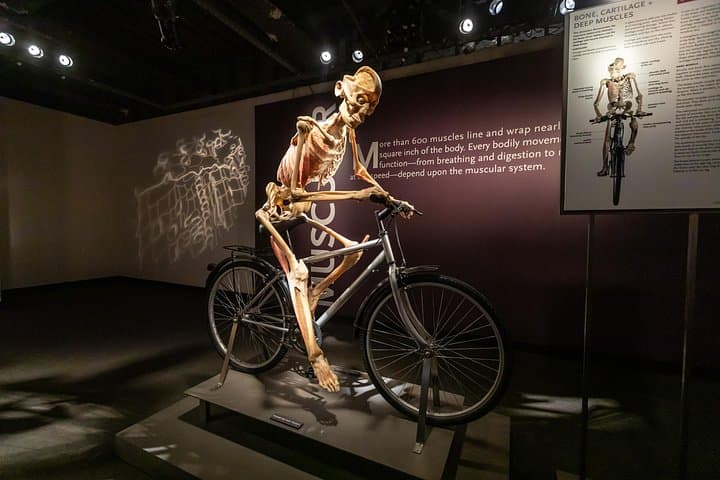

Stepping from the heat of the Las Vegas Strip into the Luxor’s cool, dim pyramid, visitors encounter an exhibit that reads like a museum of the body: shelves of organs, glass cases of cross-sections and several full-body specimens posed in quiet study. The lighting is clinical, the air conditioned—attention is drawn to texture and structure rather than spectacle.
Stepping from the heat of the Las Vegas Strip into the Luxor’s cool, dim pyramid, visitors encounter an exhibit that reads like a museum of the body: shelves of organs, glass cases of cross-sections and several full-body specimens posed in quiet study. The lighting is clinical, the air conditioned—attention is drawn to texture and structure rather than spectacle.
BODIES...The Exhibition presents polymer-preserved human specimens and hundreds of organs, with explanatory panels on circulation, respiration, digestion and disease. The technique behind the displays—silicone polymer replacement of bodily fluids—lets tissues retain form for long-term education. The show traces both anatomy and pathology, and includes a private room for fetal development displays for those who opt in.
Culturally, the exhibit sits on the Strip’s constant loop of entertainment and education; it’s less about thrill and more about close-looking. The Luxor itself, an Egyptian-themed resort opened in the early 1990s, frames the experience with bold architecture and easy access to Vegas transit and pedestrian promenades.
Practical guidance: plan 45–75 minutes, arrive before the listed last admission (typically 5 p.m.), and bring a mobile ticket and photo ID. Photography and video are prohibited; content can be sensitive for younger viewers. The space is wheelchair accessible and suitable for most fitness levels, but expect standing and short walks between displays. Peak times coincide with midday and evening Strip traffic, so early mornings are quieter. Respect the no-touch policy, read panels closely, and use public transit or a rideshare to avoid Strip parking hassles.