THE ADVENTURE COLLECTIVE® · Independent discovery and booking for outdoor travel

Walk through ten halls of 20th‑century military history in Branson’s Veterans Memorial Museum. This practical guide outlines what to expect, timing, accessibility and tips for a respectful visit.
Walk through ten halls of 20th‑century military history in Branson’s Veterans Memorial Museum. This practical guide outlines what to expect, timing, accessibility and tips for a respectful visit.
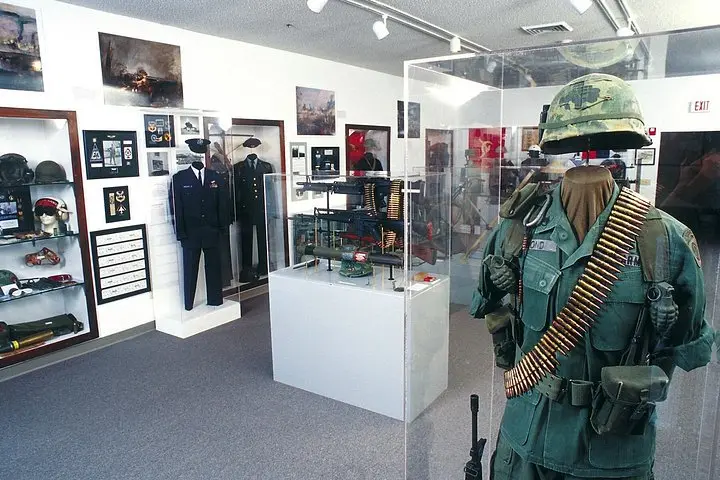
Step through the museum doors and the air shifts from Branson’s tourist bustle to a quieter, more deliberate pace. Hall lighting picks out uniforms, medals and hand-written letters; the hush encourages close reading and quiet reflection.
Verified experiences and guided adventures in the surrounding area.
Operated by Veterans Memorial Museum Branson · Branson, Missouri
Step through the museum doors and the air shifts from Branson’s tourist bustle to a quieter, more deliberate pace. Hall lighting picks out uniforms, medals and hand-written letters; the hush encourages close reading and quiet reflection.
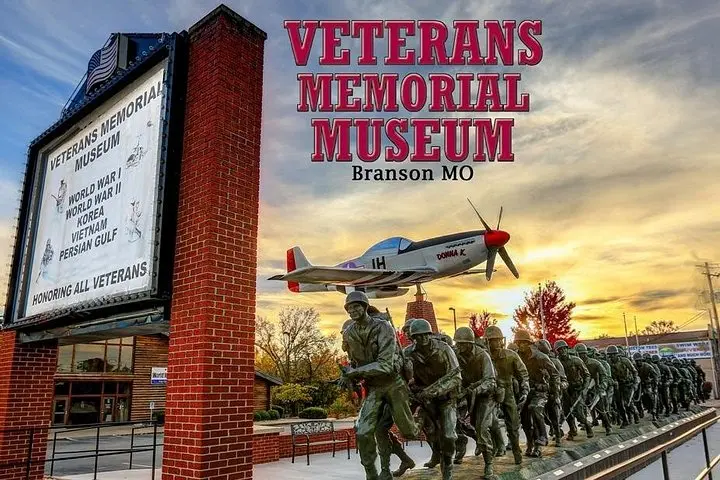
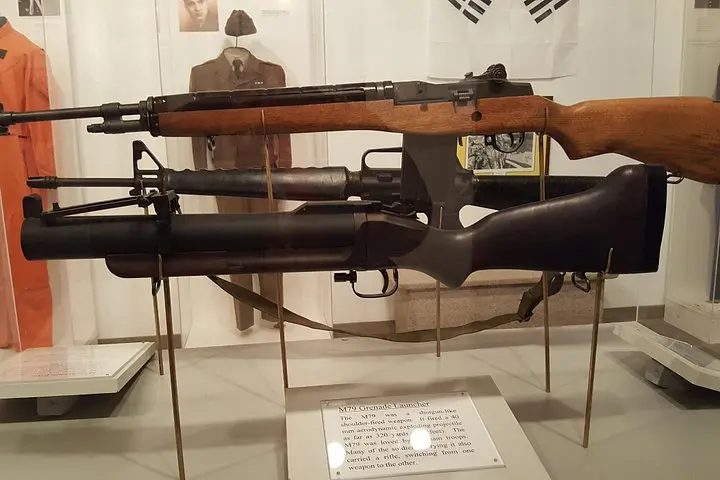
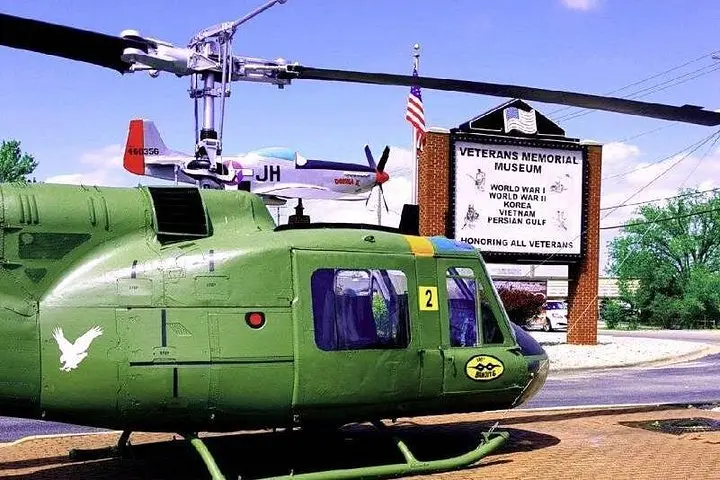
The Veterans Memorial Museum chronicles 20th-century American military history across ten halls, beginning with World War I and moving through WWII, Korea, Vietnam and Desert Storm. Exhibits combine large artifacts — aircraft models, motorcycles, battlefield organs — with personal items donated by veterans: letters, medals, and service records. The collection was assembled with help from veterans and families, and parts of the displays read like curated personal narratives rather than dry chronology.
Geology and landscape play a background role here: the Ozarks’ mellow hills and rural communities sent many service members to war, and Branson has become a staging ground for remembrance as well as tourism. Expect local cultural touches in exhibit storytelling and a small but meaningful gift shop focusing on military history.
Practicalities matter: typical visits run between 1–3 hours; the museum is wheelchair accessible and allows cameras (respect exhibit signs). Bring water, allow time to sit and read inscriptions, and plan around holiday hours — Thanksgiving and Christmas Eve may close early. The experience can be emotionally heavy; pacing helps.
Visitor tip: present your voucher at the box office on arrival, respect artifact boundaries, and pair the visit with nearby historic stops on 76 Country Boulevard for a fuller sense of local heritage.
Most visitors spend about 1–3 hours; allow extra time if you plan to read all personal stories and view every hall.
Standard policy allows a full refund if you cancel at least 24 hours before the scheduled time.
Yes—entrances, circulation paths and exhibit areas are wheelchair and stroller accessible; service animals are permitted.
Cameras are permitted for personal use, but follow signage prohibiting flash or touching artifacts.
Veterans Memorial Museum Branson operates guided outdoor trips and adventures with an emphasis on safety, stewardship, and memorable experiences.
Step through the museum doors and the air shifts from Branson’s tourist bustle to a quieter, more deliberate pace. Hall lighting picks out uniforms, medals and hand-written letters; the hush encourages close reading and quiet reflection.
Step through the museum doors and the air shifts from Branson’s tourist bustle to a quieter, more deliberate pace. Hall lighting picks out uniforms, medals and hand-written letters; the hush encourages close reading and quiet reflection.
The Veterans Memorial Museum chronicles 20th-century American military history across ten halls, beginning with World War I and moving through WWII, Korea, Vietnam and Desert Storm. Exhibits combine large artifacts — aircraft models, motorcycles, battlefield organs — with personal items donated by veterans: letters, medals, and service records. The collection was assembled with help from veterans and families, and parts of the displays read like curated personal narratives rather than dry chronology.
Geology and landscape play a background role here: the Ozarks’ mellow hills and rural communities sent many service members to war, and Branson has become a staging ground for remembrance as well as tourism. Expect local cultural touches in exhibit storytelling and a small but meaningful gift shop focusing on military history.
Practicalities matter: typical visits run between 1–3 hours; the museum is wheelchair accessible and allows cameras (respect exhibit signs). Bring water, allow time to sit and read inscriptions, and plan around holiday hours — Thanksgiving and Christmas Eve may close early. The experience can be emotionally heavy; pacing helps.
Visitor tip: present your voucher at the box office on arrival, respect artifact boundaries, and pair the visit with nearby historic stops on 76 Country Boulevard for a fuller sense of local heritage.