THE ADVENTURE COLLECTIVE® · Independent discovery and booking for outdoor travel

Step inside Dubai’s most photographed hotel on a private, 90-minute guided tour that unlocks the building’s architecture, history, and signature interiors. Perfect for travelers who want a close look at the Royal Suite, atrium, and curated exhibits without a dining reservation.
Step inside Dubai’s most photographed hotel on a private, 90-minute guided tour that unlocks the building’s architecture, history, and signature interiors. Perfect for travelers who want a close look at the Royal Suite, atrium, and curated exhibits without a dining reservation.
You step off the buggy at the midpoint of the causeway and the sail-shaped silhouette fills the view, glass and white sail fabric catching the Gulf light. Inside the atrium the scale changes — ceilings rise like a staged sky, gold filigree and marble guide your eyes upward while staff in traditional dress move with quiet efficiency. The guide threads stories through rooms where design choices double as cultural cues: majlis-style seating, Arabic calligraphic accents and layered hospitality rituals.
Verified experiences and guided adventures in the surrounding area.
Operated by Bin Tours · Dubai, Dubai
You step off the buggy at the midpoint of the causeway and the sail-shaped silhouette fills the view, glass and white sail fabric catching the Gulf light. Inside the atrium the scale changes — ceilings rise like a staged sky, gold filigree and marble guide your eyes upward while staff in traditional dress move with quiet efficiency. The guide threads stories through rooms where design choices double as cultural cues: majlis-style seating, Arabic calligraphic accents and layered hospitality rituals.
Opened in 1999 on an artificial island, Burj Al Arab was conceived as a global statement of Dubai’s ambition. Architect Tom Wright’s wave-and-sail concept sits on a man-made platform engineered to withstand marine conditions; the building’s layered interiors reference regional craft, while curated displays explain the hotel’s role in shaping Dubai’s luxury tourism economy.
Practicalities matter: the 90-minute private tour includes access to the atrium and select suites and offers photo vantage points on the bridge. Expect a measured pace with standing and short walks; security and dress standards apply, and guests must carry valid ID. Photography is generally allowed in public areas but follow staff directions in private suites. Wheelchair access is available but confirm needs when booking. Bring a charged camera, lightweight layers for air-conditioned interiors, and time your visit for late afternoon light if you want softer photos. The experience is part architecture primer, part cultural orientation — a concise, guided way to see how Dubai stages luxury while remaining rooted in regional design language.
No—this private tour includes admission and guided access without a dining requirement, though some upgrade options may include refreshments.
Yes; Burj Al Arab provides wheelchair access and accessible transport options, but you should indicate needs when booking so staff can prepare.
Photography is generally allowed in public areas and vantage points but follow staff instructions in private suites and avoid obstructing guests.
Yes—children can join but infants may be required to sit on laps in some areas; verify age policies when booking.
Bin Tours operates guided outdoor trips and adventures with an emphasis on safety, stewardship, and memorable experiences.
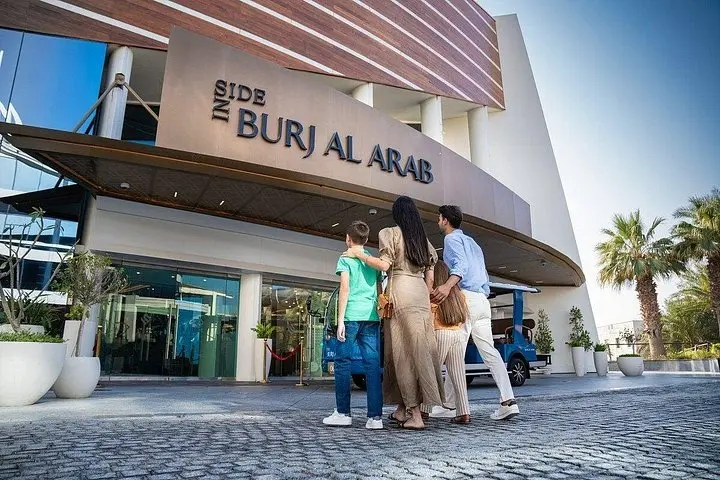
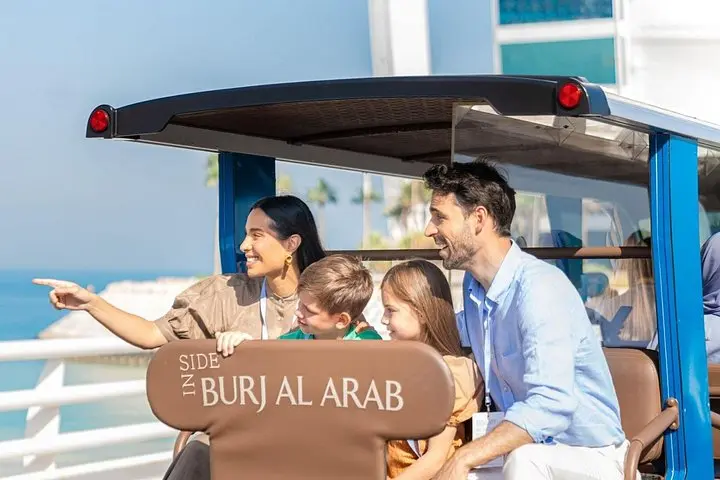
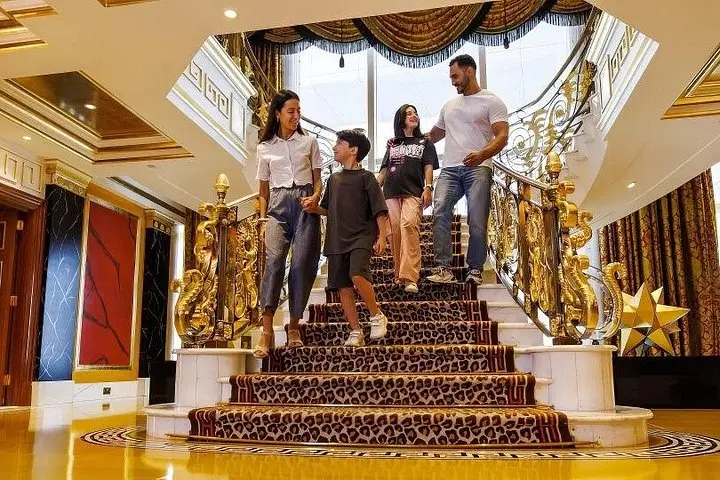
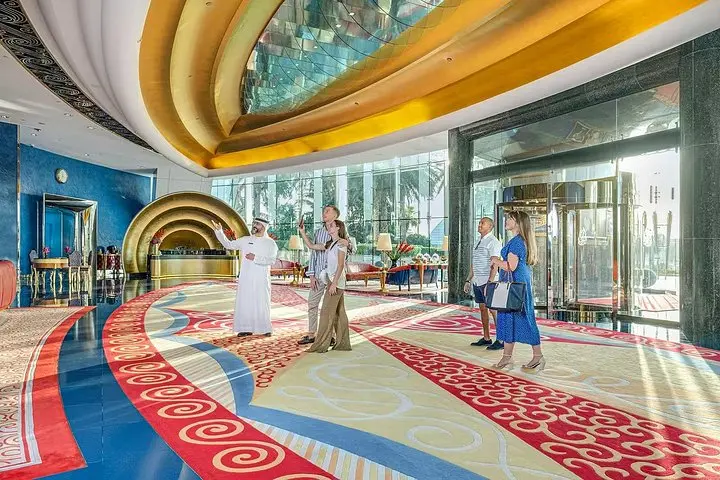
You step off the buggy at the midpoint of the causeway and the sail-shaped silhouette fills the view, glass and white sail fabric catching the Gulf light. Inside the atrium the scale changes — ceilings rise like a staged sky, gold filigree and marble guide your eyes upward while staff in traditional dress move with quiet efficiency. The guide threads stories through rooms where design choices double as cultural cues: majlis-style seating, Arabic calligraphic accents and layered hospitality rituals.
You step off the buggy at the midpoint of the causeway and the sail-shaped silhouette fills the view, glass and white sail fabric catching the Gulf light. Inside the atrium the scale changes — ceilings rise like a staged sky, gold filigree and marble guide your eyes upward while staff in traditional dress move with quiet efficiency. The guide threads stories through rooms where design choices double as cultural cues: majlis-style seating, Arabic calligraphic accents and layered hospitality rituals.
Opened in 1999 on an artificial island, Burj Al Arab was conceived as a global statement of Dubai’s ambition. Architect Tom Wright’s wave-and-sail concept sits on a man-made platform engineered to withstand marine conditions; the building’s layered interiors reference regional craft, while curated displays explain the hotel’s role in shaping Dubai’s luxury tourism economy.
Practicalities matter: the 90-minute private tour includes access to the atrium and select suites and offers photo vantage points on the bridge. Expect a measured pace with standing and short walks; security and dress standards apply, and guests must carry valid ID. Photography is generally allowed in public areas but follow staff directions in private suites. Wheelchair access is available but confirm needs when booking. Bring a charged camera, lightweight layers for air-conditioned interiors, and time your visit for late afternoon light if you want softer photos. The experience is part architecture primer, part cultural orientation — a concise, guided way to see how Dubai stages luxury while remaining rooted in regional design language.