THE ADVENTURE COLLECTIVE® · Independent discovery and booking for outdoor travel

Step behind the ropes of Dubai’s most photographed hotel on a guided 90‑minute tour that opens private floors, design archives, and panoramic vantage points. This insider visit pairs historical context with practical tips for first‑time visitors.
Step behind the ropes of Dubai’s most photographed hotel on a guided 90‑minute tour that opens private floors, design archives, and panoramic vantage points. This insider visit pairs historical context with practical tips for first‑time visitors.
Standing on the private jetty, the Burj Al Arab’s curved silhouette rises like a sail caught in a steady breeze; the sea hisses against the island and a buggy ferry pulls you across the causeway to its guarded gate. The tour begins with a traditional Emirati welcome—coffee and dates—before a guide draws back curtains to reveal spaces most visitors never see.
Verified experiences and guided adventures in the surrounding area.
Operated by Acute Tourism LLC. · Dubai, Dubai
Standing on the private jetty, the Burj Al Arab’s curved silhouette rises like a sail caught in a steady breeze; the sea hisses against the island and a buggy ferry pulls you across the causeway to its guarded gate. The tour begins with a traditional Emirati welcome—coffee and dates—before a guide draws back curtains to reveal spaces most visitors never see.
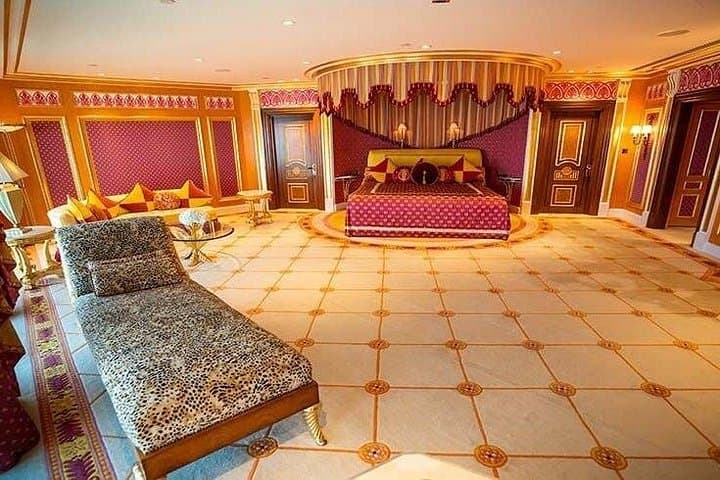
Opened in 1999 and built on a purpose-made island, Burj Al Arab was conceived as a symbol of Dubai’s rapid transformation. Architect Tom Wright’s design sits on engineered foundations and a concrete platform; inside, gilded finishes, sweeping atriums and the Royal Suite’s double-height views underline the city’s appetite for spectacle. The hotel’s setting on Jumeirah’s shoreline means your view alternates between manicured lawns and the Gulf’s pale horizon.
Culturally, the visit balances modern luxury with Emirati hospitality—expect formal greetings and a measured pace. Guides often point out original hand-drawn sketches and the 25th-floor vantage into Dubai’s skyline and coastline. Geologically, the area is coastal sediment atop reclaimed land, so the built environment is as much engineered as it is aesthetic.
Practical guidance: arrive 15–30 minutes early for security screening; follow the hotel’s dress code (smart, conservative); keep personal belongings minimal—bags are screened. Photography is allowed in designated spots but restricted in private suites. Mobility access is available, though some viewpoints require short transfers by buggy. For first-time visitors, pack sunscreen, an ID for check-in, and a mindset ready for tight security and curated luxury.
Photography is permitted in public areas and designated photo stops, but restricted in private suites and some staff zones—always check with your guide first.
Yes; all visitors must present a valid passport or Emirates ID to enter the hotel for security and guest registration.
The property is wheelchair accessible and the tour notes wheelchair-friendly surfaces, though some vantage points may require a short buggy transfer; notify the operator when booking.
Infants and young children may join, but infants are typically required to sit on an adult’s lap; confirm age policies at booking.
Acute Tourism LLC. operates guided outdoor trips and adventures with an emphasis on safety, stewardship, and memorable experiences.
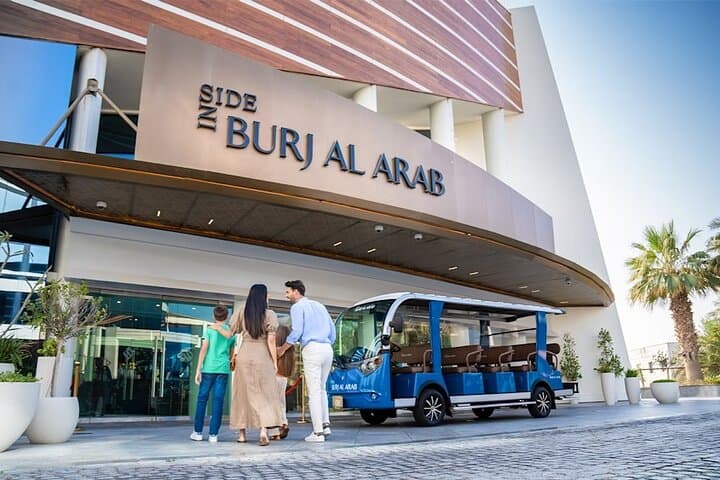


Standing on the private jetty, the Burj Al Arab’s curved silhouette rises like a sail caught in a steady breeze; the sea hisses against the island and a buggy ferry pulls you across the causeway to its guarded gate. The tour begins with a traditional Emirati welcome—coffee and dates—before a guide draws back curtains to reveal spaces most visitors never see.
Standing on the private jetty, the Burj Al Arab’s curved silhouette rises like a sail caught in a steady breeze; the sea hisses against the island and a buggy ferry pulls you across the causeway to its guarded gate. The tour begins with a traditional Emirati welcome—coffee and dates—before a guide draws back curtains to reveal spaces most visitors never see.
Opened in 1999 and built on a purpose-made island, Burj Al Arab was conceived as a symbol of Dubai’s rapid transformation. Architect Tom Wright’s design sits on engineered foundations and a concrete platform; inside, gilded finishes, sweeping atriums and the Royal Suite’s double-height views underline the city’s appetite for spectacle. The hotel’s setting on Jumeirah’s shoreline means your view alternates between manicured lawns and the Gulf’s pale horizon.
Culturally, the visit balances modern luxury with Emirati hospitality—expect formal greetings and a measured pace. Guides often point out original hand-drawn sketches and the 25th-floor vantage into Dubai’s skyline and coastline. Geologically, the area is coastal sediment atop reclaimed land, so the built environment is as much engineered as it is aesthetic.
Practical guidance: arrive 15–30 minutes early for security screening; follow the hotel’s dress code (smart, conservative); keep personal belongings minimal—bags are screened. Photography is allowed in designated spots but restricted in private suites. Mobility access is available, though some viewpoints require short transfers by buggy. For first-time visitors, pack sunscreen, an ID for check-in, and a mindset ready for tight security and curated luxury.