THE ADVENTURE COLLECTIVE® · Independent discovery and booking for outdoor travel

Step beyond the exterior sail and into the engineered luxury of the Burj Al Arab. This 90-minute guided visit navigates private halls, dramatic atria, and curated views of the Arabian Gulf while explaining the hotel’s architecture and cultural role in Dubai.
Step beyond the exterior sail and into the engineered luxury of the Burj Al Arab. This 90-minute guided visit navigates private halls, dramatic atria, and curated views of the Arabian Gulf while explaining the hotel’s architecture and cultural role in Dubai.
The ride over the causeway brings the Burj Al Arab into view like a white sail rising from the Arabian Gulf—its steel and glass skin throwing sunlight across the water while gulls wheel at the edge of the breakwater. Inside, the tour moves through cavernous atria and gilded corridors; staff guide small groups past private suites, lacquered staircases, and terraces that open onto the sea.
Verified experiences and guided adventures in the surrounding area.
Operated by Vivatrek · Dubai, Dubai
The ride over the causeway brings the Burj Al Arab into view like a white sail rising from the Arabian Gulf—its steel and glass skin throwing sunlight across the water while gulls wheel at the edge of the breakwater. Inside, the tour moves through cavernous atria and gilded corridors; staff guide small groups past private suites, lacquered staircases, and terraces that open onto the sea.
Opened in 1999 and built on an artificial island, the Burj Al Arab was conceived as a symbol of Dubai’s late-20th-century push into global luxury. The building’s form was engineered by WS Atkins and stands on a concrete platform driven into the seabed—geology here is less mountain and more reclaimed coastline, where sand and seawater meet urban ambition. Culture in the hotel is precise and performative: hospitality is trained, rituals of service visible at every turn.
For visitors the payoff is sensory: soaring atrium volumes hum with cooled air, patterned carpets and marble floors move beneath your feet, and windows frame long views over Umm Suqeim Beach. Practicalities matter—there are strict access rules, a clear dress expectation, and a 90-minute pacing that keeps groups moving through spaces that are otherwise private.
Plan to arrive early, carry ID for security, and save your peak photography for the controlled viewpoints staff allow. The tour is an inside look at how architecture, finance, and hospitality shaped a modern coastal landmark—an hour and a half of design, service, and engineered spectacle, best enjoyed with comfortable shoes and a respectful camera hand.
This guided tour provides controlled access to public and selected private spaces—general walk-in access to rooms or restaurants is not permitted without a booking or tour.
Photography is generally allowed in public areas on the tour, but staff may restrict flash or tripod use and some private suites are off-limits.
Yes; the tour welcomes all ages but infants must sit on an adult’s lap and some areas may be fast-paced for young children.
Full refunds are available if you cancel at least 24 hours before the scheduled tour time; last-minute cancellations are non-refundable.
Vivatrek operates guided outdoor trips and adventures with an emphasis on safety, stewardship, and memorable experiences.
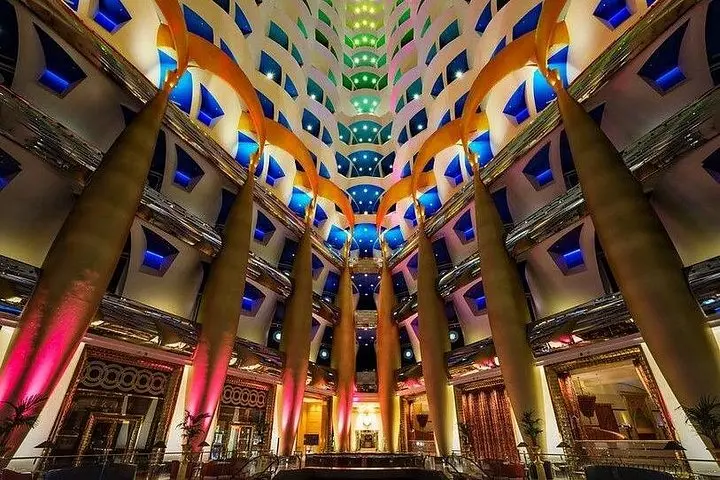
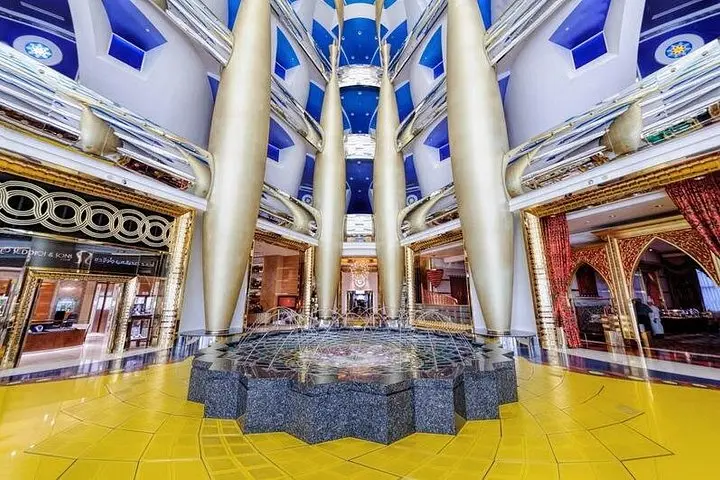
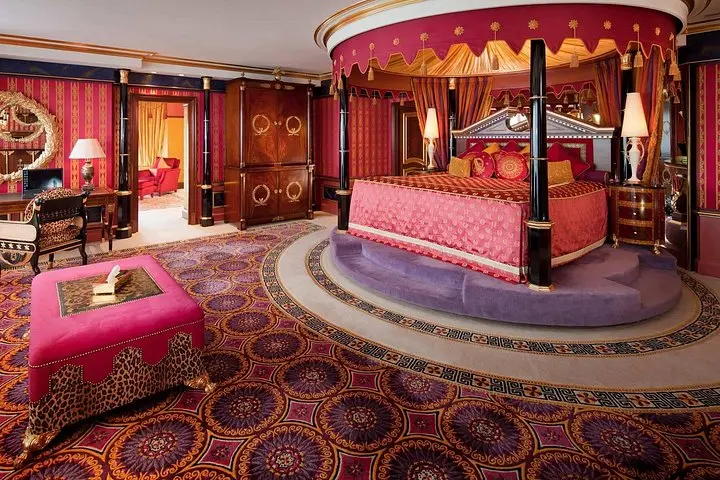
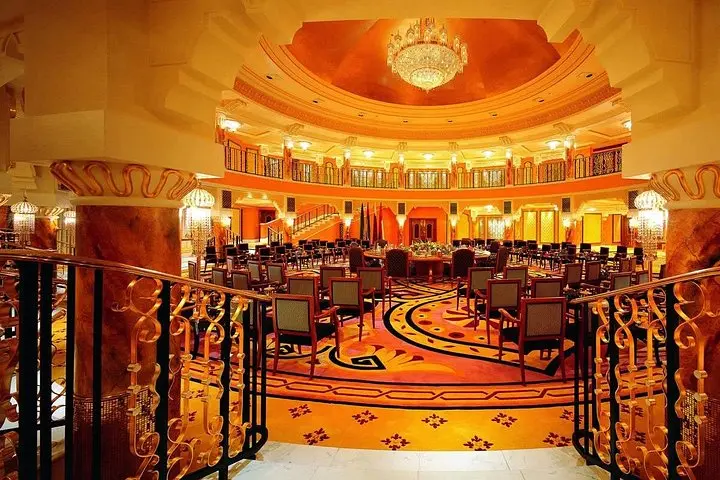
The ride over the causeway brings the Burj Al Arab into view like a white sail rising from the Arabian Gulf—its steel and glass skin throwing sunlight across the water while gulls wheel at the edge of the breakwater. Inside, the tour moves through cavernous atria and gilded corridors; staff guide small groups past private suites, lacquered staircases, and terraces that open onto the sea.
The ride over the causeway brings the Burj Al Arab into view like a white sail rising from the Arabian Gulf—its steel and glass skin throwing sunlight across the water while gulls wheel at the edge of the breakwater. Inside, the tour moves through cavernous atria and gilded corridors; staff guide small groups past private suites, lacquered staircases, and terraces that open onto the sea.
Opened in 1999 and built on an artificial island, the Burj Al Arab was conceived as a symbol of Dubai’s late-20th-century push into global luxury. The building’s form was engineered by WS Atkins and stands on a concrete platform driven into the seabed—geology here is less mountain and more reclaimed coastline, where sand and seawater meet urban ambition. Culture in the hotel is precise and performative: hospitality is trained, rituals of service visible at every turn.
For visitors the payoff is sensory: soaring atrium volumes hum with cooled air, patterned carpets and marble floors move beneath your feet, and windows frame long views over Umm Suqeim Beach. Practicalities matter—there are strict access rules, a clear dress expectation, and a 90-minute pacing that keeps groups moving through spaces that are otherwise private.
Plan to arrive early, carry ID for security, and save your peak photography for the controlled viewpoints staff allow. The tour is an inside look at how architecture, finance, and hospitality shaped a modern coastal landmark—an hour and a half of design, service, and engineered spectacle, best enjoyed with comfortable shoes and a respectful camera hand.