THE ADVENTURE COLLECTIVE® · Independent discovery and booking for outdoor travel

Explore the Pharaonic Village in Cairo on a private half-day tour that recreates daily life along the Nile, with guided scenes, canal cruises and a local lunch. Practical tips included for timing, mobility, and what to expect on-site.
Explore the Pharaonic Village in Cairo on a private half-day tour that recreates daily life along the Nile, with guided scenes, canal cruises and a local lunch. Practical tips included for timing, mobility, and what to expect on-site.
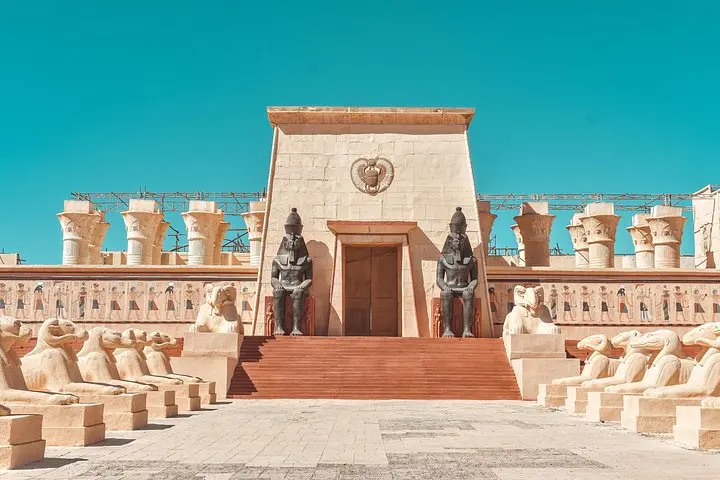
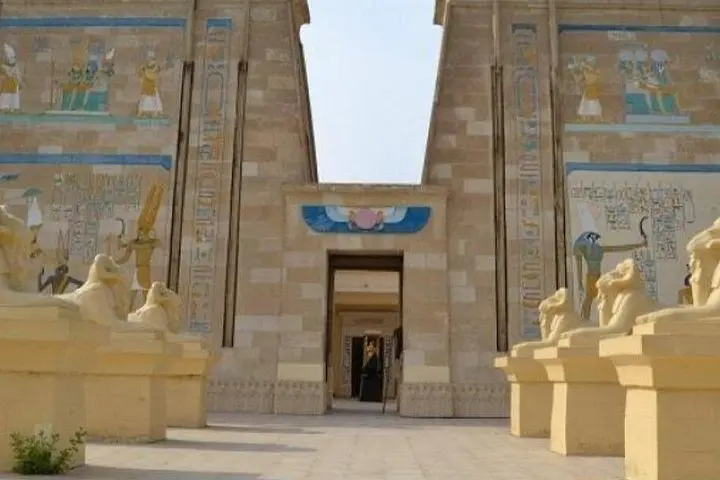
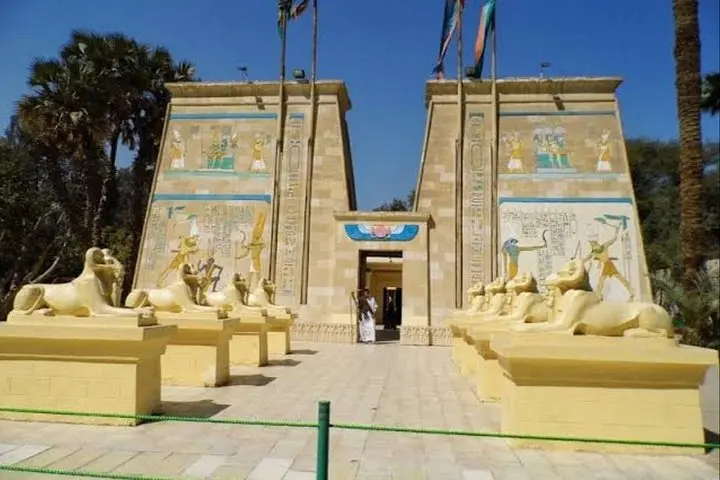
You step off the air-conditioned van and the city’s modern roar softens into the lap of slow-moving canals; wooden sailboats and reeds frame plastered reconstructions that reach for an imagined Nile. The Pharaonic Village throws open a page of ancient daily life—workshops where potters shape Nile clay, a procession of costumed interpreters, and scaled models of temples and homes that push you to imagine the river as lifeblood rather than backdrop.
Verified experiences and guided adventures in the surrounding area.
Operated by This Is Egypt · Cairo, Cairo Governorate
You step off the air-conditioned van and the city’s modern roar softens into the lap of slow-moving canals; wooden sailboats and reeds frame plastered reconstructions that reach for an imagined Nile. The Pharaonic Village throws open a page of ancient daily life—workshops where potters shape Nile clay, a procession of costumed interpreters, and scaled models of temples and homes that push you to imagine the river as lifeblood rather than backdrop.
Built in the late 20th century as an educational park, the site translates archaeological themes into accessible scenes: irrigation channels, felucca crossings, and shadowed courtyards that show how water, crop cycles and craft shaped civilization on the Nile. Geology here is understated—sandy fills and Nile silt underpin the replicas—while the cultural through-line is clear: Egypt’s social order was rooted in agriculture and river transport.
Visitors usually spend two hours wandering staged neighborhoods before regrouping for a simple local lunch at a nearby restaurant. Guides explain artifacts and household roles, so expect story-driven stops rather than museum-label reading.
Practical guidance: arrive in lightweight, breathable clothes and comfortable walking shoes; sun and reflections off water intensify exposure. The site is largely stroller- and wheelchair-accessible, and transfers are typically included when booked through private tours. Peak sun hits midday—schedule morning or late-afternoon visits in summer. Bring water, carry small bills for tips and souvenirs, and allow a relaxed hour to absorb scenes without rushing back to the city’s pace.
Typical on-site time is about 1.5–2 hours within a 4-hour private tour that includes transfers and lunch.
Yes—exhibits are interactive and staged scenes are geared toward family learning; stroller access is available.
This private tour package usually includes entrance fees, a guided visit, lunch, bottled water and round-trip transfer; confirm at booking.
The park and transfer vehicles are reported as wheelchair-accessible, but confirm accessibility details and any special assistance when you book.
This Is Egypt operates guided outdoor trips and adventures with an emphasis on safety, stewardship, and memorable experiences.
You step off the air-conditioned van and the city’s modern roar softens into the lap of slow-moving canals; wooden sailboats and reeds frame plastered reconstructions that reach for an imagined Nile. The Pharaonic Village throws open a page of ancient daily life—workshops where potters shape Nile clay, a procession of costumed interpreters, and scaled models of temples and homes that push you to imagine the river as lifeblood rather than backdrop.
You step off the air-conditioned van and the city’s modern roar softens into the lap of slow-moving canals; wooden sailboats and reeds frame plastered reconstructions that reach for an imagined Nile. The Pharaonic Village throws open a page of ancient daily life—workshops where potters shape Nile clay, a procession of costumed interpreters, and scaled models of temples and homes that push you to imagine the river as lifeblood rather than backdrop.
Built in the late 20th century as an educational park, the site translates archaeological themes into accessible scenes: irrigation channels, felucca crossings, and shadowed courtyards that show how water, crop cycles and craft shaped civilization on the Nile. Geology here is understated—sandy fills and Nile silt underpin the replicas—while the cultural through-line is clear: Egypt’s social order was rooted in agriculture and river transport.
Visitors usually spend two hours wandering staged neighborhoods before regrouping for a simple local lunch at a nearby restaurant. Guides explain artifacts and household roles, so expect story-driven stops rather than museum-label reading.
Practical guidance: arrive in lightweight, breathable clothes and comfortable walking shoes; sun and reflections off water intensify exposure. The site is largely stroller- and wheelchair-accessible, and transfers are typically included when booked through private tours. Peak sun hits midday—schedule morning or late-afternoon visits in summer. Bring water, carry small bills for tips and souvenirs, and allow a relaxed hour to absorb scenes without rushing back to the city’s pace.