THE ADVENTURE COLLECTIVE® · Independent discovery and booking for outdoor travel

Walk the lanes of Langa and Khayelitsha with a local guide and see daily life, crafts, and community projects that bring township resilience into focus. This half-day tour combines cultural insight with practical tips for respectful, responsible exploration.
Walk the lanes of Langa and Khayelitsha with a local guide and see daily life, crafts, and community projects that bring township resilience into focus. This half-day tour combines cultural insight with practical tips for respectful, responsible exploration.
You step off the van into a riot of color and cadence: corrugated roofs catching late-afternoon light, children darting between stalls, the low hum of conversation punctuated by laughter. Your guide—often a local who grew up in these communities—leads you down narrow lanes where murals and market tables mark the rhythm of everyday life.
Verified experiences and guided adventures in the surrounding area.
Operated by Imzu Tours · Cape Town, Western Cape
You step off the van into a riot of color and cadence: corrugated roofs catching late-afternoon light, children darting between stalls, the low hum of conversation punctuated by laughter. Your guide—often a local who grew up in these communities—leads you down narrow lanes where murals and market tables mark the rhythm of everyday life.
The townships around Cape Town sit on the Cape Flats, a low-lying plain of sandy soils shaped by ancient coastal processes and modern urban pressures. Langa, one of the oldest black townships (established in the 1920s), and Khayelitsha, built rapidly from the 1980s onward, each carry visible threads of apartheid-era planning and resilient community culture. Today, shebeens (informal pubs), arts centres, and street traders animate civic life and provide livelihoods.
Tours focus on people and possibility: visiting an arts and crafts centre where artisans work wood, beadwork and prints; walking past family homes; and stepping into a shebeen to taste local beer and hear stories. Expect intimate encounters—photographs are controls, not permissions—and a mix of paved streets, uneven paths and busy market alleys.
Practical notes: wear sturdy walking shoes and sun protection, carry small change for crafts and snacks, and plan for three hours including transport. Go with curiosity and respect—ask before photographing people, follow your guide on route choices, and use purchases to directly support local makers. This is less a sightseeing stop than a human-scaled introduction to contemporary Cape Town life.
Yes—these guided tours are designed with visitor safety in mind; follow your guide’s instructions and avoid wandering off alone.
Yes—visits typically include an arts and crafts centre and street stalls where you can buy handmade items directly from artisans.
Ask first—many hosts welcome respectful photos but permission is expected, especially inside private spaces.
The tour is rated easy and family-friendly, but some areas have uneven surfaces; contact the operator about accessibility and pickup options.
Imzu Tours operates guided outdoor trips and adventures with an emphasis on safety, stewardship, and memorable experiences.

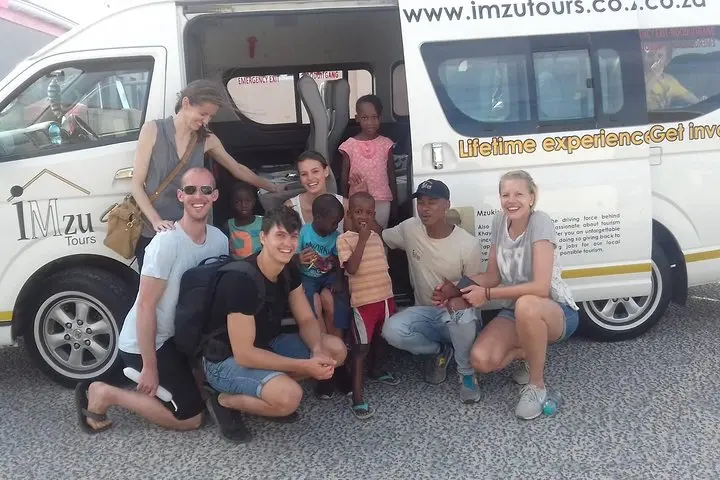
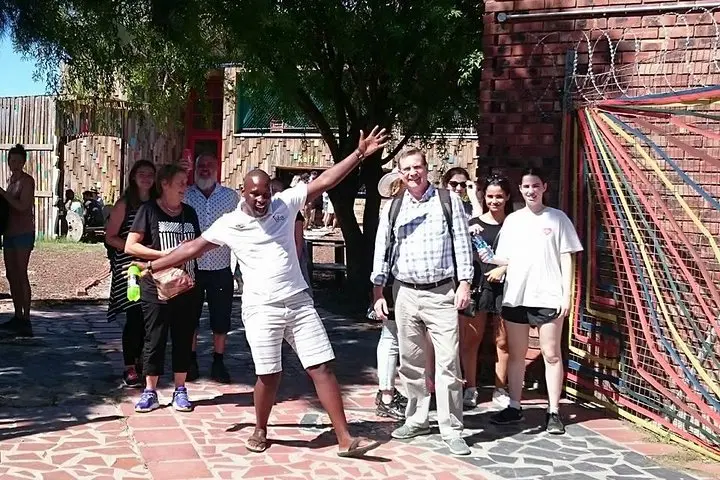
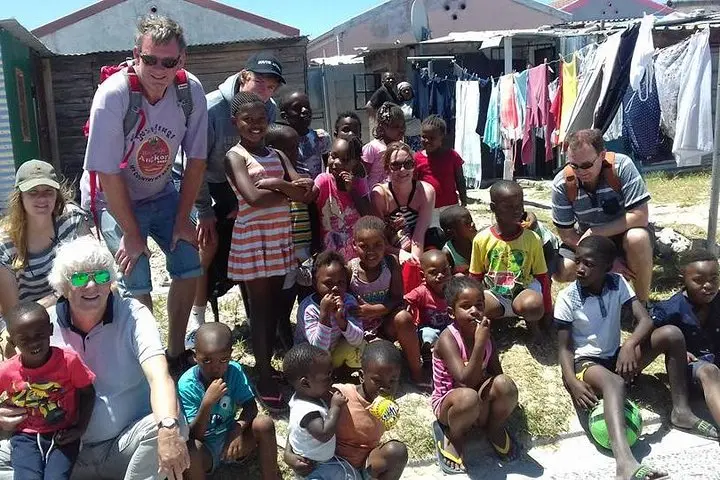
You step off the van into a riot of color and cadence: corrugated roofs catching late-afternoon light, children darting between stalls, the low hum of conversation punctuated by laughter. Your guide—often a local who grew up in these communities—leads you down narrow lanes where murals and market tables mark the rhythm of everyday life.
You step off the van into a riot of color and cadence: corrugated roofs catching late-afternoon light, children darting between stalls, the low hum of conversation punctuated by laughter. Your guide—often a local who grew up in these communities—leads you down narrow lanes where murals and market tables mark the rhythm of everyday life.
The townships around Cape Town sit on the Cape Flats, a low-lying plain of sandy soils shaped by ancient coastal processes and modern urban pressures. Langa, one of the oldest black townships (established in the 1920s), and Khayelitsha, built rapidly from the 1980s onward, each carry visible threads of apartheid-era planning and resilient community culture. Today, shebeens (informal pubs), arts centres, and street traders animate civic life and provide livelihoods.
Tours focus on people and possibility: visiting an arts and crafts centre where artisans work wood, beadwork and prints; walking past family homes; and stepping into a shebeen to taste local beer and hear stories. Expect intimate encounters—photographs are controls, not permissions—and a mix of paved streets, uneven paths and busy market alleys.
Practical notes: wear sturdy walking shoes and sun protection, carry small change for crafts and snacks, and plan for three hours including transport. Go with curiosity and respect—ask before photographing people, follow your guide on route choices, and use purchases to directly support local makers. This is less a sightseeing stop than a human-scaled introduction to contemporary Cape Town life.