THE ADVENTURE COLLECTIVE® · Independent discovery and booking for outdoor travel

Explore Carton King Creative Park in Taichung—an imaginative venue of life-sized cardboard art, DIY workshops, and sustainability exhibits. Plan 2–3 hours, sign up early for crafts, and expect family-friendly, accessible displays with seasonal events.
Explore Carton King Creative Park in Taichung—an imaginative venue of life-sized cardboard art, DIY workshops, and sustainability exhibits. Plan 2–3 hours, sign up early for crafts, and expect family-friendly, accessible displays with seasonal events.
The entrance folds open like a paper stage: oversized cardboard sculptures loom, a narrow train of corrugated cars waits beside a café made entirely of paper seating, and the smell of ink and recycled fiber hangs in the air. Carton King Creative Park in Taichung stages everyday objects at an exaggerated scale, turning a visit into a hands-on lesson in material imagination.
Verified experiences and guided adventures in the surrounding area.
Operated by TrevoTour Travels · Taichung, Taichung
The entrance folds open like a paper stage: oversized cardboard sculptures loom, a narrow train of corrugated cars waits beside a café made entirely of paper seating, and the smell of ink and recycled fiber hangs in the air. Carton King Creative Park in Taichung stages everyday objects at an exaggerated scale, turning a visit into a hands-on lesson in material imagination.
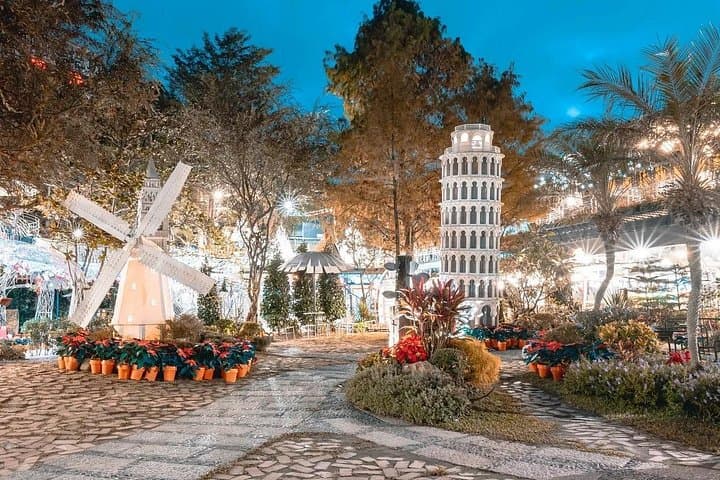
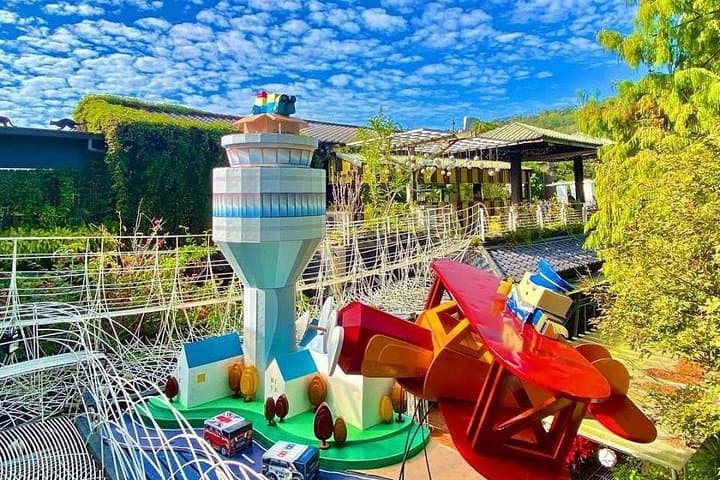
Opened as part of Taiwan’s creative-industrial movement, the park showcases large-scale cardboard replicas of landmarks, life-sized animal figures, and miniature cityscapes. The exhibits double as demonstrations in sustainable design—displays explain recycling processes and local waste-reduction initiatives, while seasonal events highlight community makers and educational programs.
The park sits on level terrain with gardened courtyards that push visitors from indoor galleries into sunlit demonstration areas; stone paths guide small groups between workshops and themed cafés. Local culture appears in the menus—paper-themed pastries and indigenous ingredients occasionally feature—linking playful craft with regional food traditions.
Practical details: allow 2–3 hours to browse exhibits and join a complimentary DIY cardboard workshop; popular sessions run out, so sign up at arrival. The site is wheelchair- and stroller-accessible, with family-focused amenities and clear signage in Mandarin and English. Bring a camera (flash-free in many exhibits), comfortable walking shoes, and a reusable bag for eco-product purchases. Midday visits avoid early queues, while late afternoons often quiet down for relaxed photos. With priority entry and a souvenir package, the ticket smooths logistics and adds a few behind-the-scenes extras—ideal for families and design-minded travelers curious about low-tech materials turned into large-scale art.
Plan 2–3 hours to see exhibits, participate in a workshop, and visit the café; longer visits depend on event schedules.
Yes—paths, surfaces, and most exhibit areas are wheelchair- and stroller-accessible, with infant seats available.
Workshops are complimentary but limited; sign up at the on-site desk upon arrival to secure a spot.
The park has a cardboard-themed café with set menu items; reservations are recommended during busy periods and you can call ahead for special requests.
TrevoTour Travels operates guided outdoor trips and adventures with an emphasis on safety, stewardship, and memorable experiences.
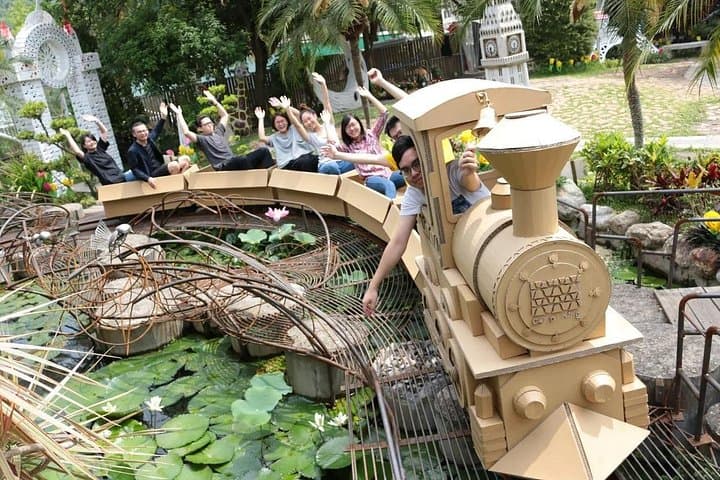
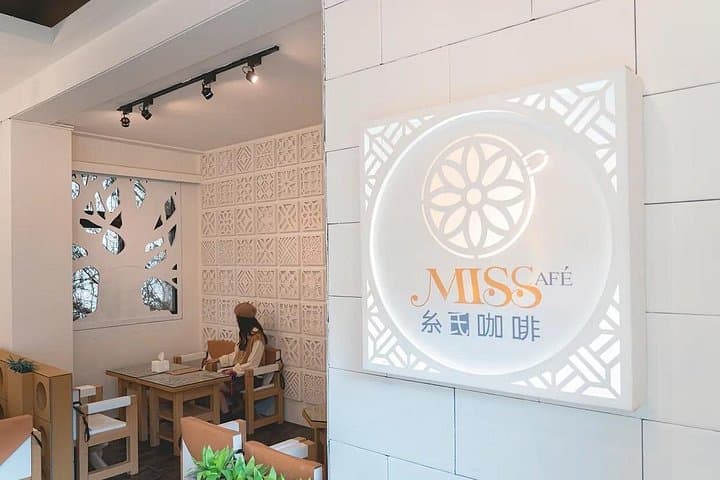
The entrance folds open like a paper stage: oversized cardboard sculptures loom, a narrow train of corrugated cars waits beside a café made entirely of paper seating, and the smell of ink and recycled fiber hangs in the air. Carton King Creative Park in Taichung stages everyday objects at an exaggerated scale, turning a visit into a hands-on lesson in material imagination.
The entrance folds open like a paper stage: oversized cardboard sculptures loom, a narrow train of corrugated cars waits beside a café made entirely of paper seating, and the smell of ink and recycled fiber hangs in the air. Carton King Creative Park in Taichung stages everyday objects at an exaggerated scale, turning a visit into a hands-on lesson in material imagination.
Opened as part of Taiwan’s creative-industrial movement, the park showcases large-scale cardboard replicas of landmarks, life-sized animal figures, and miniature cityscapes. The exhibits double as demonstrations in sustainable design—displays explain recycling processes and local waste-reduction initiatives, while seasonal events highlight community makers and educational programs.
The park sits on level terrain with gardened courtyards that push visitors from indoor galleries into sunlit demonstration areas; stone paths guide small groups between workshops and themed cafés. Local culture appears in the menus—paper-themed pastries and indigenous ingredients occasionally feature—linking playful craft with regional food traditions.
Practical details: allow 2–3 hours to browse exhibits and join a complimentary DIY cardboard workshop; popular sessions run out, so sign up at arrival. The site is wheelchair- and stroller-accessible, with family-focused amenities and clear signage in Mandarin and English. Bring a camera (flash-free in many exhibits), comfortable walking shoes, and a reusable bag for eco-product purchases. Midday visits avoid early queues, while late afternoons often quiet down for relaxed photos. With priority entry and a souvenir package, the ticket smooths logistics and adds a few behind-the-scenes extras—ideal for families and design-minded travelers curious about low-tech materials turned into large-scale art.