THE ADVENTURE COLLECTIVE® · Independent discovery and booking for outdoor travel

A compact, curiosity-filled stop in Cavtat: the Shell Museum in the Church of St. Nicholas displays 2,500 shells from global seas. Perfect for a 30–60 minute cultural and natural-history detour while exploring the Dalmatian coast.
A compact, curiosity-filled stop in Cavtat: the Shell Museum in the Church of St. Nicholas displays 2,500 shells from global seas. Perfect for a 30–60 minute cultural and natural-history detour while exploring the Dalmatian coast.
You step into a quiet stone gallery beside the harbour; light from narrow windows washes over rows of shells arranged like small, slow-moving sculptures. The Church of St. Nicholas in Cavtat houses the Shell Museum, where 2,500 specimens—spiral cones, fragile pectens and polished cowries—hold court in wood-and-glass cases.
Verified experiences and guided adventures in the surrounding area.
Operated by GLOSSUS HUMANUS · Cavtat, Dubrovnik-Neretva County
You step into a quiet stone gallery beside the harbour; light from narrow windows washes over rows of shells arranged like small, slow-moving sculptures. The Church of St. Nicholas in Cavtat houses the Shell Museum, where 2,500 specimens—spiral cones, fragile pectens and polished cowries—hold court in wood-and-glass cases.
The collection traces molluscan diversity from tropical atolls to Adriatic shallows. Cavtat itself has a layered history: an Illyrian and Roman port that later became a Venetian trading post, and the museum’s setting inside a church highlights the town’s mix of maritime life and ecclesiastical architecture. Geologically, shells record ocean chemistry and currents; here they tell global stories while anchoring local seaside culture.
The display is compact and informative, with labels that explain habitat, range and shell-building behavior. Guides often point out how form follows function—squat bivalves resisting wave surge, narrow turritellas boring into sediment—giving visitors a clear window into mollusc ecology.
Practical details: allow 30–60 minutes for the visit, comfortable shoes for cobbled streets, and a light jacket for breezy harbour weather. Photography is usually permitted but check on flash restrictions for delicate displays. Public transport reaches Cavtat from Dubrovnik, and the museum’s location near the waterfront makes it an easy addition to a town walking loop.
For families and naturalists, the Shell Museum is an efficient, tactile introduction to marine life and local history—a small, focused stop that enriches a broader Dalmatian itinerary.
Most visitors spend 30–60 minutes viewing exhibits and reading labels; guided stops may be about 45 minutes.
Yes—displays are compact and visually engaging; younger children may enjoy the varied shapes and colors but require supervision.
Small-group guided visits are often offered; check the booking page or local tourist office for scheduled guides.
Yes—regular buses and ferries connect Cavtat with Dubrovnik and nearby towns; the museum is a short walk from the harbour.
GLOSSUS HUMANUS operates guided outdoor trips and adventures with an emphasis on safety, stewardship, and memorable experiences.

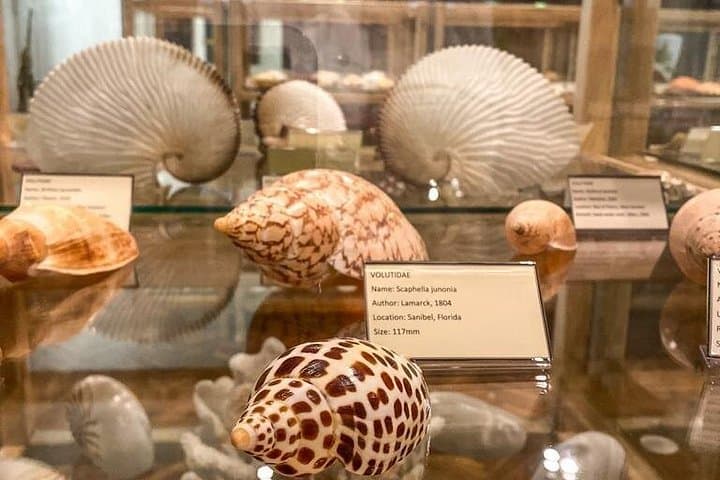
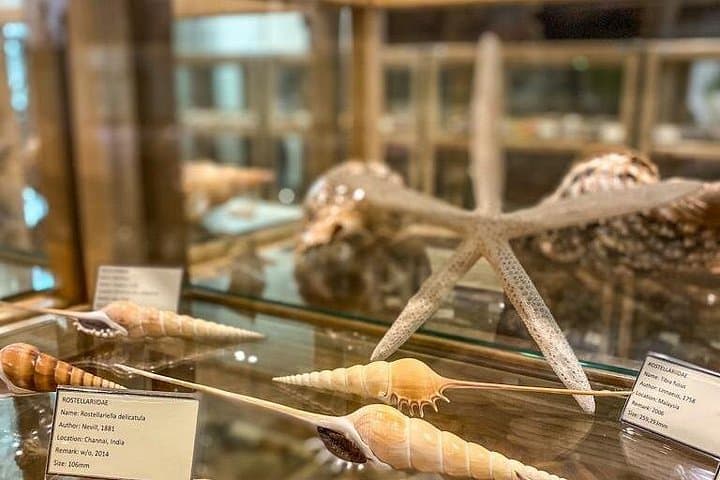
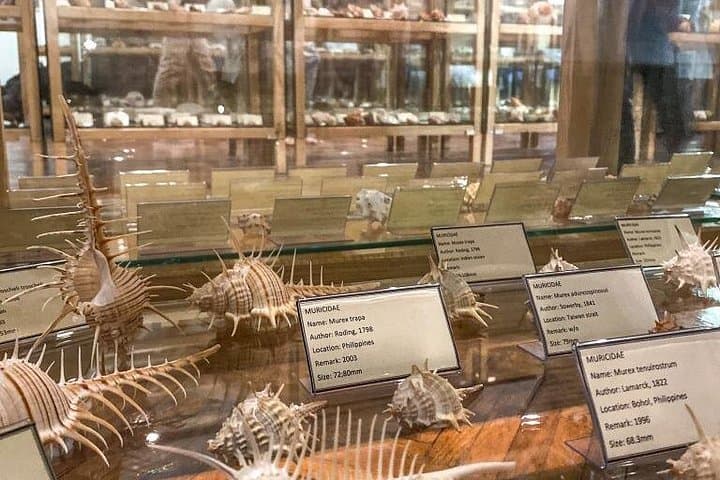
You step into a quiet stone gallery beside the harbour; light from narrow windows washes over rows of shells arranged like small, slow-moving sculptures. The Church of St. Nicholas in Cavtat houses the Shell Museum, where 2,500 specimens—spiral cones, fragile pectens and polished cowries—hold court in wood-and-glass cases.
You step into a quiet stone gallery beside the harbour; light from narrow windows washes over rows of shells arranged like small, slow-moving sculptures. The Church of St. Nicholas in Cavtat houses the Shell Museum, where 2,500 specimens—spiral cones, fragile pectens and polished cowries—hold court in wood-and-glass cases.
The collection traces molluscan diversity from tropical atolls to Adriatic shallows. Cavtat itself has a layered history: an Illyrian and Roman port that later became a Venetian trading post, and the museum’s setting inside a church highlights the town’s mix of maritime life and ecclesiastical architecture. Geologically, shells record ocean chemistry and currents; here they tell global stories while anchoring local seaside culture.
The display is compact and informative, with labels that explain habitat, range and shell-building behavior. Guides often point out how form follows function—squat bivalves resisting wave surge, narrow turritellas boring into sediment—giving visitors a clear window into mollusc ecology.
Practical details: allow 30–60 minutes for the visit, comfortable shoes for cobbled streets, and a light jacket for breezy harbour weather. Photography is usually permitted but check on flash restrictions for delicate displays. Public transport reaches Cavtat from Dubrovnik, and the museum’s location near the waterfront makes it an easy addition to a town walking loop.
For families and naturalists, the Shell Museum is an efficient, tactile introduction to marine life and local history—a small, focused stop that enriches a broader Dalmatian itinerary.