THE ADVENTURE COLLECTIVE® · Independent discovery and booking for outdoor travel

Explore the National Medal of Honor Heritage Center in downtown Chattanooga: immersive galleries that move from Civil War rail raids to modern battlefields. This practical guide covers what to expect, how long to plan, and tips for a respectful, informed visit.
Explore the National Medal of Honor Heritage Center in downtown Chattanooga: immersive galleries that move from Civil War rail raids to modern battlefields. This practical guide covers what to expect, how long to plan, and tips for a respectful, informed visit.
You step into a darkened orientation theater and the rumble of history fills the room: a short film compresses generations into a few minutes, and when the doors open you move from the hush of Civil War churches into the damp of a WWI trench.
Verified experiences and guided adventures in the surrounding area.
Operated by National Medal of Honor Heritage Center · Chattanooga, Tennessee
You step into a darkened orientation theater and the rumble of history fills the room: a short film compresses generations into a few minutes, and when the doors open you move from the hush of Civil War churches into the damp of a WWI trench.
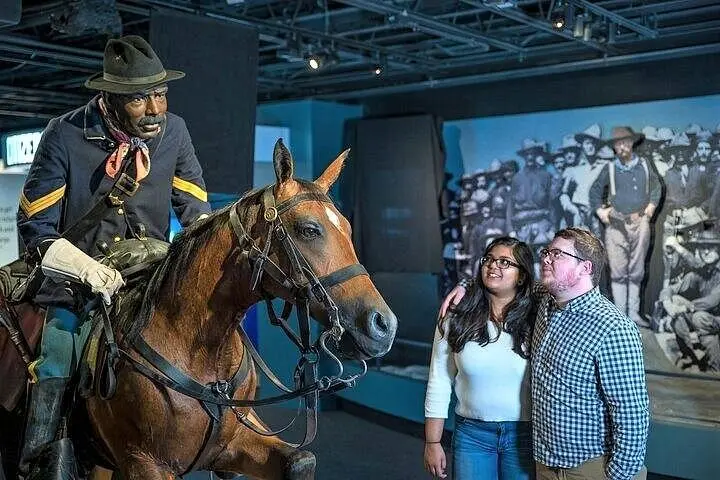
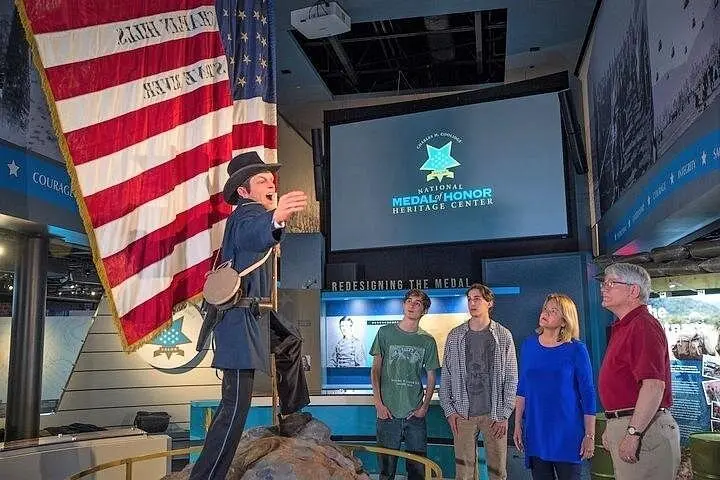
The National Medal of Honor Heritage Center in downtown Chattanooga stages these transitions deliberately. Exhibits trace the medal from Andrew’s Raiders and the Great Locomotive Chase through two world wars and modern conflicts in Afghanistan and Iraq, using more than 6,000 artifacts to anchor individual stories—Dr. Mary Walker’s wartime medical work and Charles Coolidge’s actions in forested combat appear with the physical objects that accompanied them.
The building sits in the Tennessee River valley beneath the rise of Lookout Mountain; that setting helped make Chattanooga a transportation and military hub, which is part of the story the center tells. Locally, the museum connects to a strong veterans’ community and a city that values interpretation and preservation.
Practical guidance: allow 1–3 hours depending on how deeply you read displays and use audio interactives. Tickets are mobile-friendly and presented at the desk; much of the site is fully accessible with elevators and level routes. Peak times are midday and weekends—early mornings are quieter. Photography rules vary by gallery, so watch signage and staff requests; comfortable shoes, a refillable bottle, and a charged phone for the center’s multimedia features make the visit smoother. The center balances immersive theatrical scenes with quieter reflection spaces—plan for moments of both discovery and contemplation.
Most visitors spend 60–180 minutes; allow extra time if you want to engage with audio stations and read all exhibit labels.
Yes—elevators, ramps, and accessible routes are available and many exhibits are designed for universal access; contact staff for specific needs.
Photography is allowed in many areas but flash and touching artifacts are prohibited—follow posted rules per gallery and staff instructions.
For a full refund cancel at least 24 hours before the scheduled visit; same-day cancellations are generally not refundable.
National Medal of Honor Heritage Center operates guided outdoor trips and adventures with an emphasis on safety, stewardship, and memorable experiences.


You step into a darkened orientation theater and the rumble of history fills the room: a short film compresses generations into a few minutes, and when the doors open you move from the hush of Civil War churches into the damp of a WWI trench.
You step into a darkened orientation theater and the rumble of history fills the room: a short film compresses generations into a few minutes, and when the doors open you move from the hush of Civil War churches into the damp of a WWI trench.
The National Medal of Honor Heritage Center in downtown Chattanooga stages these transitions deliberately. Exhibits trace the medal from Andrew’s Raiders and the Great Locomotive Chase through two world wars and modern conflicts in Afghanistan and Iraq, using more than 6,000 artifacts to anchor individual stories—Dr. Mary Walker’s wartime medical work and Charles Coolidge’s actions in forested combat appear with the physical objects that accompanied them.
The building sits in the Tennessee River valley beneath the rise of Lookout Mountain; that setting helped make Chattanooga a transportation and military hub, which is part of the story the center tells. Locally, the museum connects to a strong veterans’ community and a city that values interpretation and preservation.
Practical guidance: allow 1–3 hours depending on how deeply you read displays and use audio interactives. Tickets are mobile-friendly and presented at the desk; much of the site is fully accessible with elevators and level routes. Peak times are midday and weekends—early mornings are quieter. Photography rules vary by gallery, so watch signage and staff requests; comfortable shoes, a refillable bottle, and a charged phone for the center’s multimedia features make the visit smoother. The center balances immersive theatrical scenes with quieter reflection spaces—plan for moments of both discovery and contemplation.