THE ADVENTURE COLLECTIVE® · Independent discovery and booking for outdoor travel

Descend into the wartime nerve center beneath Westminster. This guided 2.5-hour experience moves through Churchill’s quarters, the map room and preserved offices while contextualizing Britain’s wartime coordination and daily life below the streets of London.
Descend into the wartime nerve center beneath Westminster. This guided 2.5-hour experience moves through Churchill’s quarters, the map room and preserved offices while contextualizing Britain’s wartime coordination and daily life below the streets of London.
You step down from the light of Whitehall into corridors that still seem to listen — low-ceilinged, dimly lit passages where a map room once tracked global fleets and convoys. The air carries the faint, cool hush of stone and the soft scrape of a guide’s voice, leading visitors past an original telephone trunk and Churchill’s small, plainly furnished room.
Verified experiences and guided adventures in the surrounding area.
Operated by How to do History · London, England
You step down from the light of Whitehall into corridors that still seem to listen — low-ceilinged, dimly lit passages where a map room once tracked global fleets and convoys. The air carries the faint, cool hush of stone and the soft scrape of a guide’s voice, leading visitors past an original telephone trunk and Churchill’s small, plainly furnished room.
The site sits beneath the Treasury and Parliament buildings, carved into London’s dense clay and protected from aerial attack during the Blitz. From 1940–45 this subterranean complex was the operational heart of Britain’s war effort, where the Prime Minister, War Cabinet and clerks coordinated a global conflict without digital communication. The museum above and the preserved war rooms below present artifacts, documents and multimedia that together sketch the pressures and decisions of wartime Britain.
Culturally the rooms reflect a wartime ethic of endurance and practical improvisation; exhibits emphasize process as much as personality. For geology-minded visitors, the site’s location under Westminster illustrates how London’s soft clay and deep basements shaped wartime shelter strategies.
Practical guidance: tours run about 2.5 hours and are led by an expert guide; mobile tickets are accepted and booking ahead is recommended. Expect some stairs, narrow corridors and low lighting — wear comfortable shoes, bring a charged phone for photos where permitted, and allow time afterwards to cross into Westminster or St James’s Park. The experience is best for history enthusiasts and anyone curious about how a modern government functioned under extraordinary pressure.
The experience runs about 2.5 hours and covers the Churchill Museum and the preserved War Rooms below street level.
Yes—book ahead and use your mobile ticket; this tour accepts mobile or paper tickets and instant confirmation is available.
The War Rooms include narrow corridors and some stairs; contact the operator in advance for accessibility options and assistance.
Photography rules vary by room—many museum areas allow photos without flash, while some sensitive rooms restrict imaging; follow onsite signage and staff instructions.
How to do History operates guided outdoor trips and adventures with an emphasis on safety, stewardship, and memorable experiences.
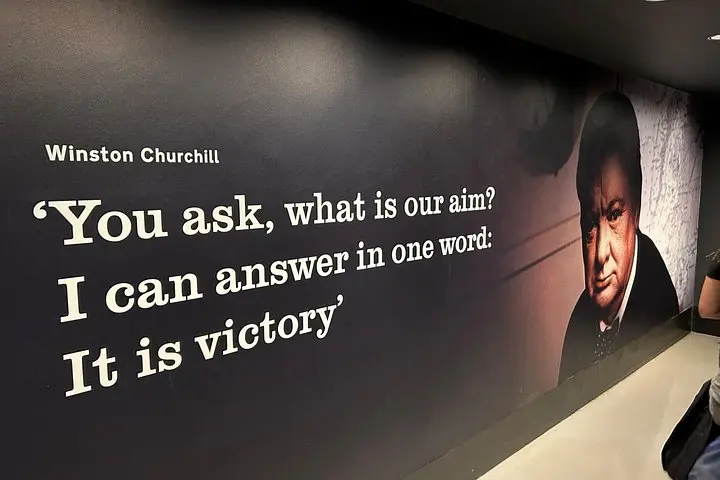
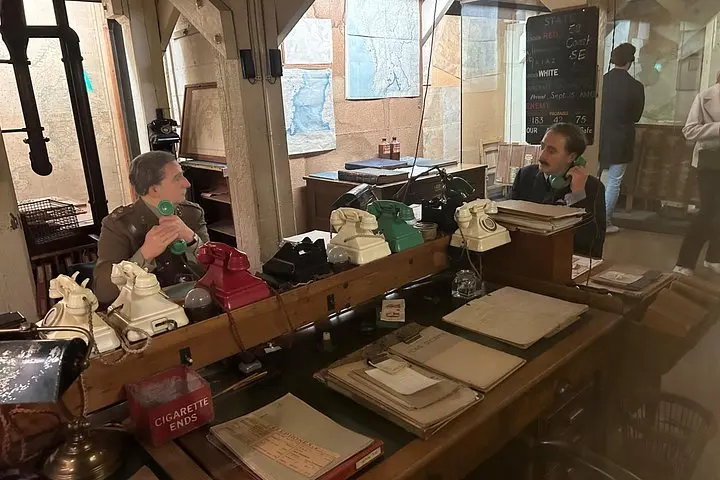
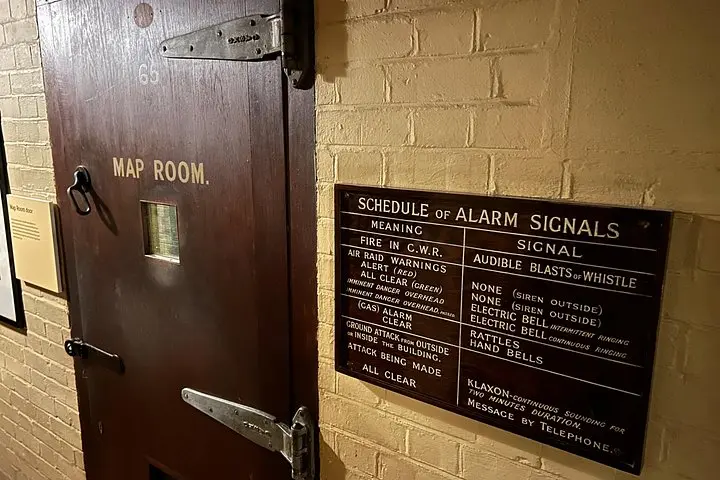
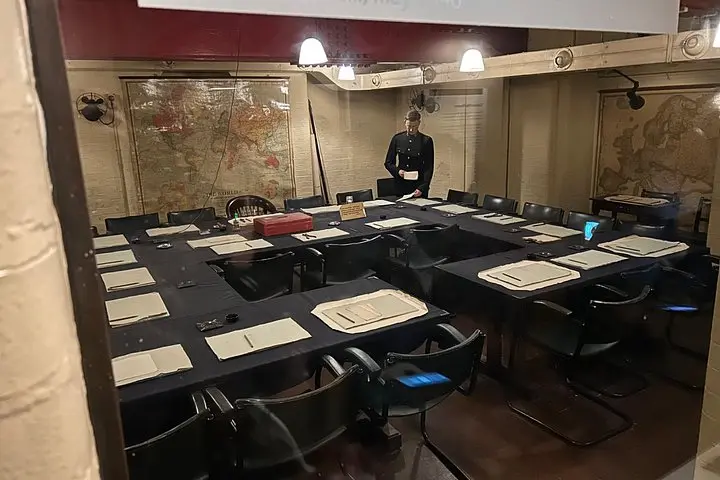
You step down from the light of Whitehall into corridors that still seem to listen — low-ceilinged, dimly lit passages where a map room once tracked global fleets and convoys. The air carries the faint, cool hush of stone and the soft scrape of a guide’s voice, leading visitors past an original telephone trunk and Churchill’s small, plainly furnished room.
You step down from the light of Whitehall into corridors that still seem to listen — low-ceilinged, dimly lit passages where a map room once tracked global fleets and convoys. The air carries the faint, cool hush of stone and the soft scrape of a guide’s voice, leading visitors past an original telephone trunk and Churchill’s small, plainly furnished room.
The site sits beneath the Treasury and Parliament buildings, carved into London’s dense clay and protected from aerial attack during the Blitz. From 1940–45 this subterranean complex was the operational heart of Britain’s war effort, where the Prime Minister, War Cabinet and clerks coordinated a global conflict without digital communication. The museum above and the preserved war rooms below present artifacts, documents and multimedia that together sketch the pressures and decisions of wartime Britain.
Culturally the rooms reflect a wartime ethic of endurance and practical improvisation; exhibits emphasize process as much as personality. For geology-minded visitors, the site’s location under Westminster illustrates how London’s soft clay and deep basements shaped wartime shelter strategies.
Practical guidance: tours run about 2.5 hours and are led by an expert guide; mobile tickets are accepted and booking ahead is recommended. Expect some stairs, narrow corridors and low lighting — wear comfortable shoes, bring a charged phone for photos where permitted, and allow time afterwards to cross into Westminster or St James’s Park. The experience is best for history enthusiasts and anyone curious about how a modern government functioned under extraordinary pressure.