THE ADVENTURE COLLECTIVE® · Independent discovery and booking for outdoor travel

Step into an intact 1895 Queen Anne Revival home in Winnipeg and learn how design, domestic life, and empire shaped one of Western Canada’s most refined residences. This one-hour guided tour decodes craftsmanship, stained glass, and social history.
Step into an intact 1895 Queen Anne Revival home in Winnipeg and learn how design, domestic life, and empire shaped one of Western Canada’s most refined residences. This one-hour guided tour decodes craftsmanship, stained glass, and social history.
Book with Friends of Dalnavert Museum
Verified experiences and guided adventures in the surrounding area.
Operated by Friends of Dalnavert Museum · Winnipeg, Manitoba
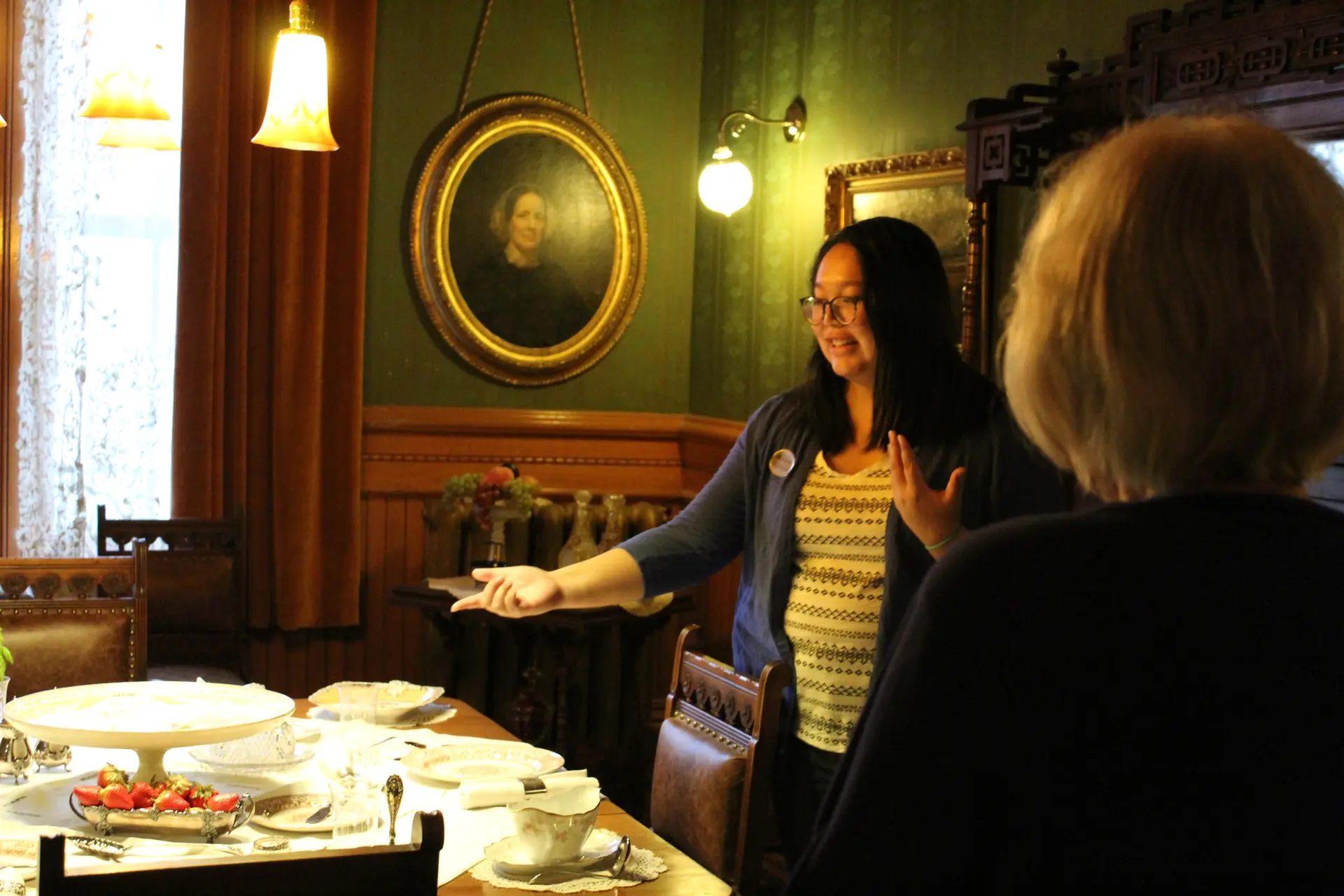
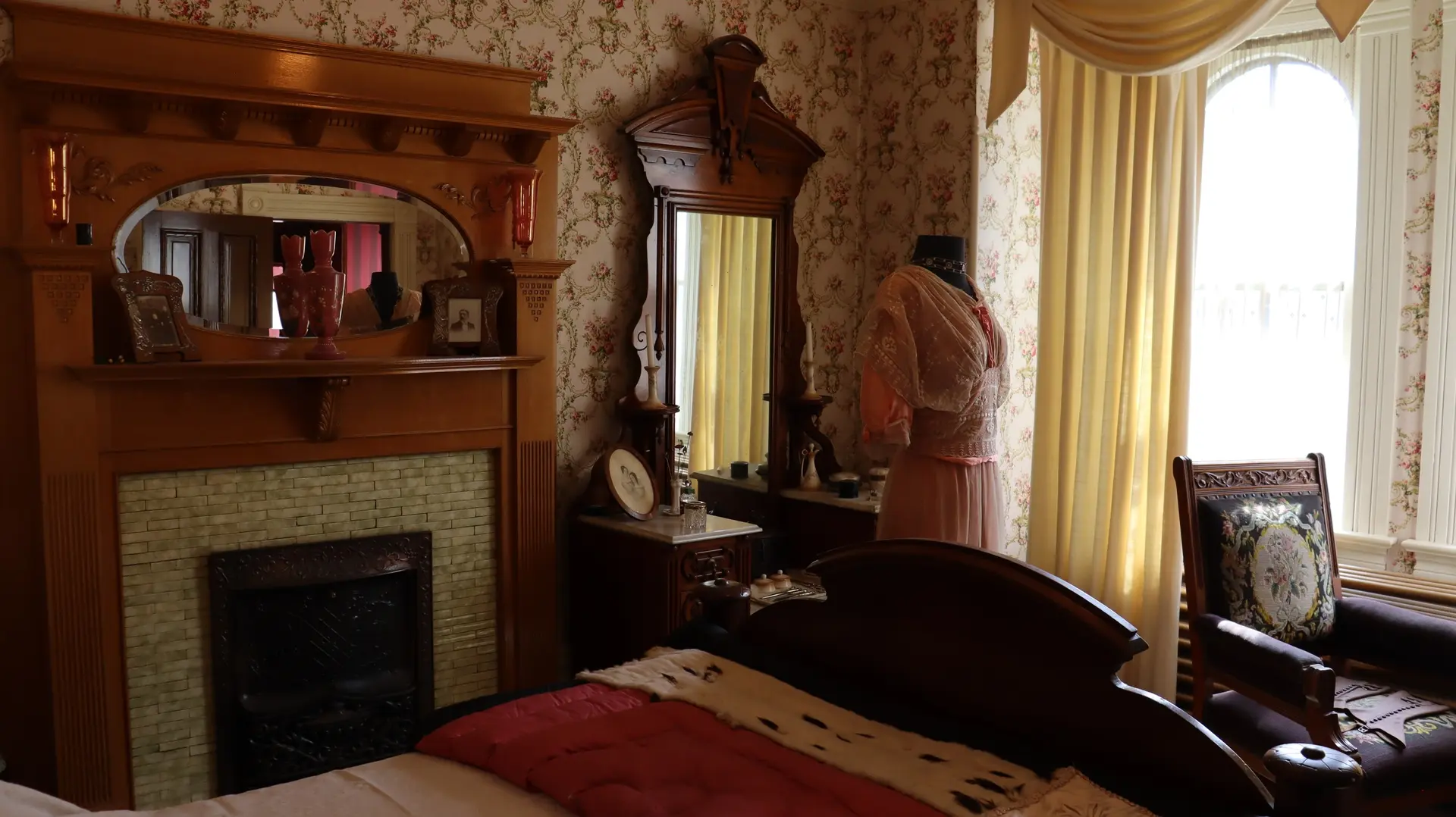
Dalnavert Museum's stately red-brick profile rises like a page from a Victorian pattern book in central Winnipeg, Manitoba, Canada. The guided tour, titled the Architecture of Dalnavert, invites visitors inside the 1895 Queen Anne Revival residence designed by Charles Henry Wheeler for Sir Hugh John Macdonald. Over the course of an hour, an interpreter unpacks how façades, bay windows, turned woodwork, and fitted fireplaces translated imperial ideals into domestic form on the Canadian Prairies. Step through the front door and the house clarifies what made late nineteenth-century domestic architecture both a public performance and a private project. Visitors move through parlors and a dining room trimmed in carved oak, past stained-glass transoms that cast jewel-toned light across patterned floor tiles. The tour highlights specific features: a projecting turret, asymmetrical rooflines, elaborated gables, and the original hearths that anchored family life. Upstairs, narrow stair treads and an intact attic illustrate construction methods and spatial hierarchies that governed servants’ and family circulation. What makes Dalnavert unique in Winnipeg is the degree of preservation and the clarity of its architectural language. This is not a house reconstructed from fragments but a coherent expression of Queen Anne Revival adapted to western Canadian materials and climate. The guided commentary situates the house within themes of domesticity, modernity, and empire, tracing how design choices expressed social aspirations at a moment when Winnipeg was maturing as a city. Practical details matter: the tour lasts about sixty minutes and proceeds on foot through rooms; the upper floors are accessible only via stairs. Guides are fluent in English and often field questions about construction, original finishes, and conservation challenges. For history-minded visitors, the connection to Sir Hugh John Macdonald and the 1895 construction date provide a concrete tether to national narratives of the period. This experience suits travelers who enjoy architectural detail, material culture, and stories of urban development. The tour functions as both close reading of craftsmanship and a social history lesson—an intimate counterpoint to Winnipeg’s larger public spaces. For photographers, the house’s layered interiors and stained glass offer compelling opportunities for low-light, detail-focused composition. For families and curious visitors, the pace is measured and interpretive, designed to open conversations rather than rush through rooms. Whether you arrive as an architecture enthusiast, a history student, or someone seeking a quieter cultural stop, Dalnavert’s guided tour delivers a concentrated hour that reveals how one house can reflect broader ambitions and anxieties of its era, making it an essential stop on a thoughtful Winnipeg itinerary. Visitors often leave with a clearer sense of period construction techniques and local preservation efforts, and museum staff can recommend related heritage walks, research resources, or seasonal special events for deeper exploration and community engagement.
The guided Architecture of Dalnavert tour runs about 60 minutes and covers both main-floor rooms; upper floors are included when accessible via stairs.
Upper floors require use of stairs; if stairs are a barrier, contact the museum to arrange the virtual tour option for the second floor and attic.
Non-flash photography is generally permitted for personal use; guides may request that flash or tripods not be used to protect delicate finishes.
Guides for this tour provide commentary in English; check museum listings for special-language programming or written materials.
Yes—tours are paced for general audiences, though rooms and stairs require close supervision of young children.
Advance booking is recommended, especially during peak visitor times and scheduled heritage events; use the museum’s booking link to secure a spot.
Friends of Dalnavert Museum supports programming and public engagement at Dalnavert, a historic Victorian house museum in Winnipeg, Manitoba. The organization partners with museum staff to present guided tours, themed events, lectures, workshops, and community programs that interpret Victorian domestic life, local Métis history, medical and social histories, and seasonal family activities. Programs include walking tours of downtown Winnipeg focused on Métis heritage and early 20th-century urban life, small-group Behind the Ropes tours led by the collections registrar, hands-on workshops such as darning classes, and specialized presentations on topics like Victorian drug culture and funeral customs. Friends of Dalnavert Museum emphasizes accessibility and community connection. Offerings include dementia-friendly tours and family-focused holiday programming such as Halloween tea parties and Victorian-themed celebrations. Public historians, museum professionals, and volunteer supporters contribute to research, interpretation, and delivery, helping ensure content is historically informed and appropriate for diverse audiences. Events vary in length and format; many programs fit 45–60 minutes while special events run longer. As a Winnipeg-based heritage organization, Friends of Dalnavert Museum works within museum best practices to care for collections and to share local stories, including the history of the Red River Métis and the city’s social development. Visitors can expect small-group experiences, docent-led interpretation, and chances to see artifacts not normally on display. Programming aims to educate, preserve regional heritage, and invite community participation in understanding Winnipeg’s past. Membership and volunteer opportunities support ongoing preservation, research, and public accessibility while deepening local connections to Manitoba's cultural heritage and public education.
Book with Friends of Dalnavert Museum