THE ADVENTURE COLLECTIVE® · Independent discovery and booking for outdoor travel

Winding shaded trails, hands-on coffee and cacao demonstrations, and close-up encounters with sloths and macaws—Diamante Eco Adventure Park is a compact, educational sanctuary that pairs wildlife care with Costa Rican cultural insights. Here’s what to expect, when to go, and how to make the most of a 2–3 hour visit.
Winding shaded trails, hands-on coffee and cacao demonstrations, and close-up encounters with sloths and macaws—Diamante Eco Adventure Park is a compact, educational sanctuary that pairs wildlife care with Costa Rican cultural insights. Here’s what to expect, when to go, and how to make the most of a 2–3 hour visit.
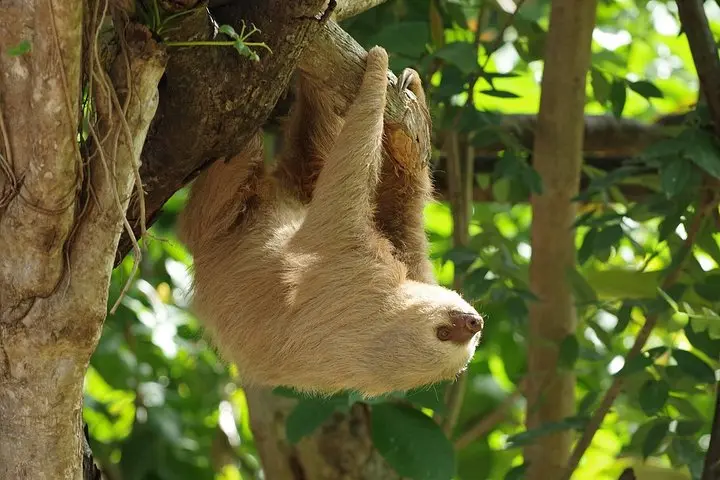
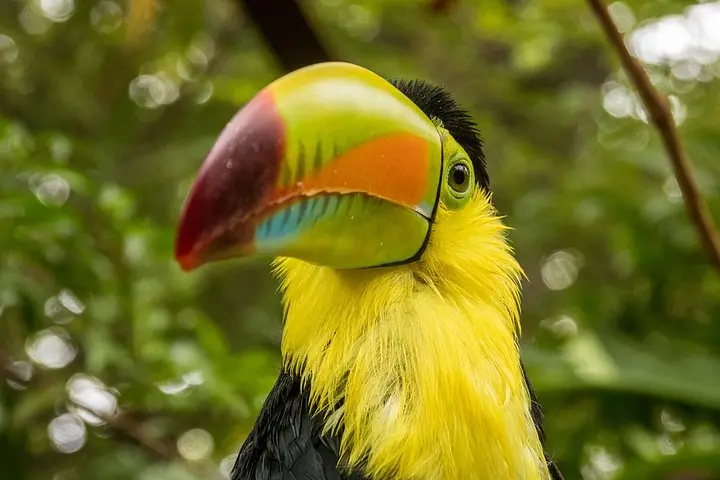
You step through a low gate, and Costa Rica rearranges itself—heat-laden air becomes a green mosaic of leaves, the scent of wet earth and sugar cane rising from the botanical beds. At Diamante Eco Adventure Park the path threads between habitat enclosures and cultivated gardens; shaded trails invite a slow pace so you can watch a three-toed sloth methodically work its way along a branch, or hear a toucan’s heavy call ricochet through the canopy.
Verified experiences and guided adventures in the surrounding area.
Operated by Diamante Eco Adventure Park · Playa Hermosa, Guanacaste
You step through a low gate, and Costa Rica rearranges itself—heat-laden air becomes a green mosaic of leaves, the scent of wet earth and sugar cane rising from the botanical beds. At Diamante Eco Adventure Park the path threads between habitat enclosures and cultivated gardens; shaded trails invite a slow pace so you can watch a three-toed sloth methodically work its way along a branch, or hear a toucan’s heavy call ricochet through the canopy.
The park’s compact layout—expect about 1.5–2.5 km of mostly flat, gently graded paths—was designed with animal welfare and education in mind. Habitat design here follows modern zoological standards developed in concert with Costa Rica’s SINAC; enclosures emphasize natural substrates, vertical space for arboreal species and plantings that mimic local ecosystems. The Traditional House and Botanical Garden beside the sanctuary are living lessons in rural Costa Rican life: sugar cane presses, coffee-staining hands-on demos and single-origin cacao fermentation that reveal the cultural roots behind local flavors.
Geologically, the Guanacaste region is young terrain—volcanic soils and nearby low hills give the gardens rich, free-draining ground that keeps orchids and heliconias healthy year-round. Culturally, the park is part of a broader national push to reconcile tourism with conservation: many residents in nearby Playa Hermosa work in hospitality, and Diamante positions itself as both a rescue center and a classroom, staffed by bilingual guides and veterinarians who explain rehabilitation, release criteria and why some animals remain in care permanently.
For travelers the experience balances intimacy and ease. Guided stops cover sloths, parrots, howler monkeys and smaller mammals; viewing windows and elevated boardwalks keep encounters safe and unobtrusive. Time your visit for the morning when animal activity and bird song peak, and avoid midday heat when both guides and creatures slow down.
Practical details: the attraction is wheelchair- and stroller-accessible with paved segments between exhibits. Visits run about 2–3 hours including the botanical and Traditional House components. Bring sun protection, mosquito repellent, and a refillable water bottle—the shaded trails are cooler but humid. Photography is allowed; use a zoom lens to avoid stressing animals. Tickets labeled “skip the line” provide direct entry, and cancellation is possible up to 24 hours ahead.
The park is a purposeful stop for anyone curious about Costa Rican wildlife stewardship—deliberate in design, educational in approach and rooted in the region’s agricultural traditions. It’s less a safari and more a close, careful study of the country’s living threads: the animals that can’t return to the wild, and the people who care for them.
Plan to spend 2–3 hours if you include the Traditional House and Botanical Garden demonstrations.
Yes — paths and several viewing areas are wheelchair- and stroller-accessible; staff can advise on the easiest route.
No — feeding is prohibited to protect animal diets and rehabilitation protocols; handlers provide any feeding demonstrations.
Yes — the park has bilingual staff and typically offers guides in both Spanish and English.
Public transport options are nearby and many hotels in Playa Hermosa offer transfers; there is also on-site parking for drivers.
Only service animals are permitted to avoid stress and disease transmission to wildlife.
Diamante Eco Adventure Park operates guided outdoor trips and adventures with an emphasis on safety, stewardship, and memorable experiences.
You step through a low gate, and Costa Rica rearranges itself—heat-laden air becomes a green mosaic of leaves, the scent of wet earth and sugar cane rising from the botanical beds. At Diamante Eco Adventure Park the path threads between habitat enclosures and cultivated gardens; shaded trails invite a slow pace so you can watch a three-toed sloth methodically work its way along a branch, or hear a toucan’s heavy call ricochet through the canopy.
You step through a low gate, and Costa Rica rearranges itself—heat-laden air becomes a green mosaic of leaves, the scent of wet earth and sugar cane rising from the botanical beds. At Diamante Eco Adventure Park the path threads between habitat enclosures and cultivated gardens; shaded trails invite a slow pace so you can watch a three-toed sloth methodically work its way along a branch, or hear a toucan’s heavy call ricochet through the canopy.
The park’s compact layout—expect about 1.5–2.5 km of mostly flat, gently graded paths—was designed with animal welfare and education in mind. Habitat design here follows modern zoological standards developed in concert with Costa Rica’s SINAC; enclosures emphasize natural substrates, vertical space for arboreal species and plantings that mimic local ecosystems. The Traditional House and Botanical Garden beside the sanctuary are living lessons in rural Costa Rican life: sugar cane presses, coffee-staining hands-on demos and single-origin cacao fermentation that reveal the cultural roots behind local flavors.
Geologically, the Guanacaste region is young terrain—volcanic soils and nearby low hills give the gardens rich, free-draining ground that keeps orchids and heliconias healthy year-round. Culturally, the park is part of a broader national push to reconcile tourism with conservation: many residents in nearby Playa Hermosa work in hospitality, and Diamante positions itself as both a rescue center and a classroom, staffed by bilingual guides and veterinarians who explain rehabilitation, release criteria and why some animals remain in care permanently.
For travelers the experience balances intimacy and ease. Guided stops cover sloths, parrots, howler monkeys and smaller mammals; viewing windows and elevated boardwalks keep encounters safe and unobtrusive. Time your visit for the morning when animal activity and bird song peak, and avoid midday heat when both guides and creatures slow down.
Practical details: the attraction is wheelchair- and stroller-accessible with paved segments between exhibits. Visits run about 2–3 hours including the botanical and Traditional House components. Bring sun protection, mosquito repellent, and a refillable water bottle—the shaded trails are cooler but humid. Photography is allowed; use a zoom lens to avoid stressing animals. Tickets labeled “skip the line” provide direct entry, and cancellation is possible up to 24 hours ahead.
The park is a purposeful stop for anyone curious about Costa Rican wildlife stewardship—deliberate in design, educational in approach and rooted in the region’s agricultural traditions. It’s less a safari and more a close, careful study of the country’s living threads: the animals that can’t return to the wild, and the people who care for them.