THE ADVENTURE COLLECTIVE® · Independent discovery and booking for outdoor travel

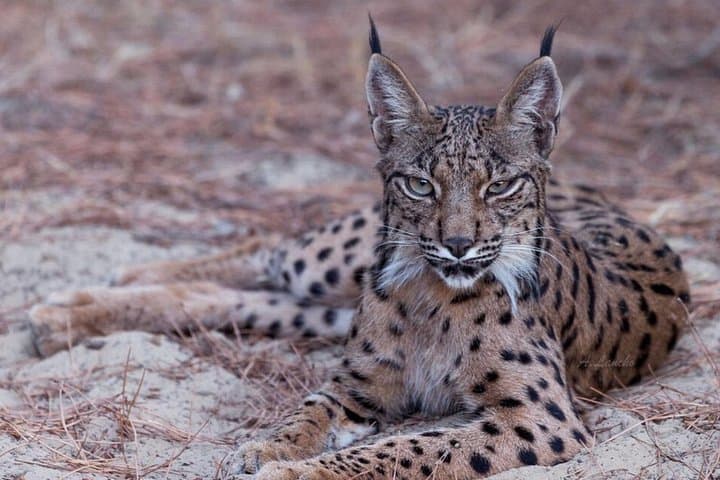
Ride through marsh, dune and cork‑oak forest on a 3½‑hour small‑group 4x4 safari focused on the Iberian lynx. Expert guides lead stops in protected habitats and, on private departures, grant access to the historic Coto del Rey.
Ride through marsh, dune and cork‑oak forest on a 3½‑hour small‑group 4x4 safari focused on the Iberian lynx. Expert guides lead stops in protected habitats and, on private departures, grant access to the historic Coto del Rey.
Dust on the windshield, a marsh wind that brushes the 4x4 like a hand—this is Doñana up close. The vehicles thread narrow ruts between salt pans and umbrella pines, and guides point out the sudden flash of a wader or the silhouette of a perched raptor. The park’s landscape moves from tidal marshes and meandering streams to dune ridges and holm oak forests, each habitat holding a different story.
Verified experiences and guided adventures in the surrounding area.
Operated by Asociación Wildlife Spain · El Rocío, Andalusia
Dust on the windshield, a marsh wind that brushes the 4x4 like a hand—this is Doñana up close. The vehicles thread narrow ruts between salt pans and umbrella pines, and guides point out the sudden flash of a wader or the silhouette of a perched raptor. The park’s landscape moves from tidal marshes and meandering streams to dune ridges and holm oak forests, each habitat holding a different story.
Historically, Doñana was royal hunting ground; the Coto del Rey preserves that legacy with a 15th‑century hunting lodge and compact estates that reflect centuries of human use. Geologically, it’s a dynamic coastal plain—a shifting barrier-dune system fed by the Guadalquivir’s sediments and Atlantic tides. Culturally, nearby villages such as El Rocío carry a strong rural Andalusian identity, with horsemanship and seasonal pilgrimages still shaping life at the park’s edge.
Expect a focused wildlife outing rather than a long trek: the tour runs about 3½ hours in small 4x4 groups with interpretive stops and, on private options, optical equipment. Guides explain lynx biology, habitat threats, and local conservation programs—reintroduction and corridor protection are central themes. Practically, wear closed-toe shoes for uneven, sometimes muddy ground, bring binoculars and sunscreen, and plan for early or late windows when mammals are most active. Keep conversations low and cameras ready: sightings are never guaranteed, but the layered landscapes, birdlife, and the chance to enter historical Coto del Rey make this a distinctive way to read Doñana’s ecology on the move.
Sightings aren’t guaranteed; guides increase chances by visiting known lynx territories and using quiet, well‑timed observation, but the species remains elusive and sightings are opportunistic.
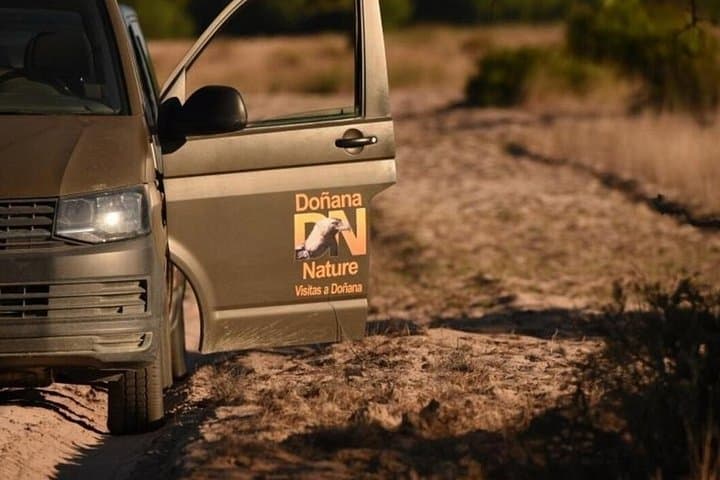
Yes—transport in 4x4 vehicles within Doñana is included as part of the tour package.
Yes—this product includes privileged access to Coto del Rey, including the historical hunting lodge, on designated departures.
The tour recommends moderate fitness and notes it is not recommended for pregnant travelers; check with the operator about suitability for young children.
Asociación Wildlife Spain operates guided outdoor trips and adventures with an emphasis on safety, stewardship, and memorable experiences.
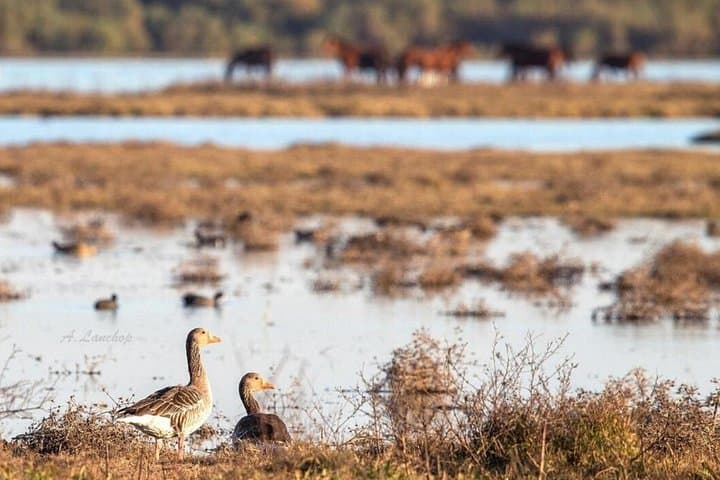
Dust on the windshield, a marsh wind that brushes the 4x4 like a hand—this is Doñana up close. The vehicles thread narrow ruts between salt pans and umbrella pines, and guides point out the sudden flash of a wader or the silhouette of a perched raptor. The park’s landscape moves from tidal marshes and meandering streams to dune ridges and holm oak forests, each habitat holding a different story.
Dust on the windshield, a marsh wind that brushes the 4x4 like a hand—this is Doñana up close. The vehicles thread narrow ruts between salt pans and umbrella pines, and guides point out the sudden flash of a wader or the silhouette of a perched raptor. The park’s landscape moves from tidal marshes and meandering streams to dune ridges and holm oak forests, each habitat holding a different story.
Historically, Doñana was royal hunting ground; the Coto del Rey preserves that legacy with a 15th‑century hunting lodge and compact estates that reflect centuries of human use. Geologically, it’s a dynamic coastal plain—a shifting barrier-dune system fed by the Guadalquivir’s sediments and Atlantic tides. Culturally, nearby villages such as El Rocío carry a strong rural Andalusian identity, with horsemanship and seasonal pilgrimages still shaping life at the park’s edge.
Expect a focused wildlife outing rather than a long trek: the tour runs about 3½ hours in small 4x4 groups with interpretive stops and, on private options, optical equipment. Guides explain lynx biology, habitat threats, and local conservation programs—reintroduction and corridor protection are central themes. Practically, wear closed-toe shoes for uneven, sometimes muddy ground, bring binoculars and sunscreen, and plan for early or late windows when mammals are most active. Keep conversations low and cameras ready: sightings are never guaranteed, but the layered landscapes, birdlife, and the chance to enter historical Coto del Rey make this a distinctive way to read Doñana’s ecology on the move.