THE ADVENTURE COLLECTIVE® · Independent discovery and booking for outdoor travel

A focused, private 2.5-hour walkthrough of Himeji Castle that blends architecture, defense, and city views. Expect steep staircases, detailed wooden joinery, and a guide who connects the site’s past to local life today.
A focused, private 2.5-hour walkthrough of Himeji Castle that blends architecture, defense, and city views. Expect steep staircases, detailed wooden joinery, and a guide who connects the site’s past to local life today.
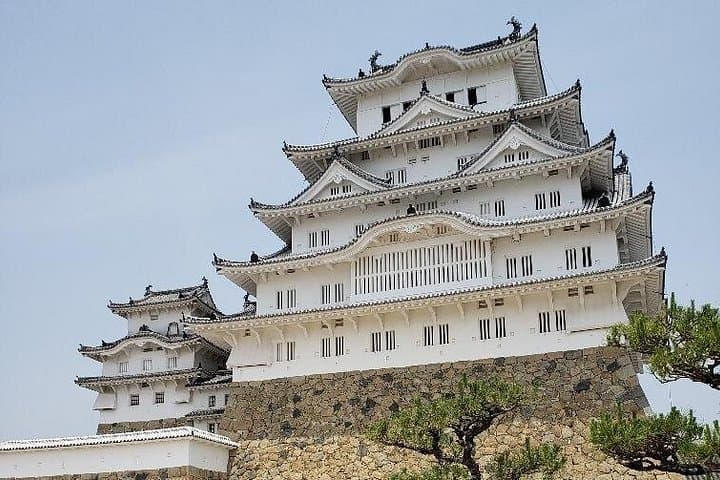
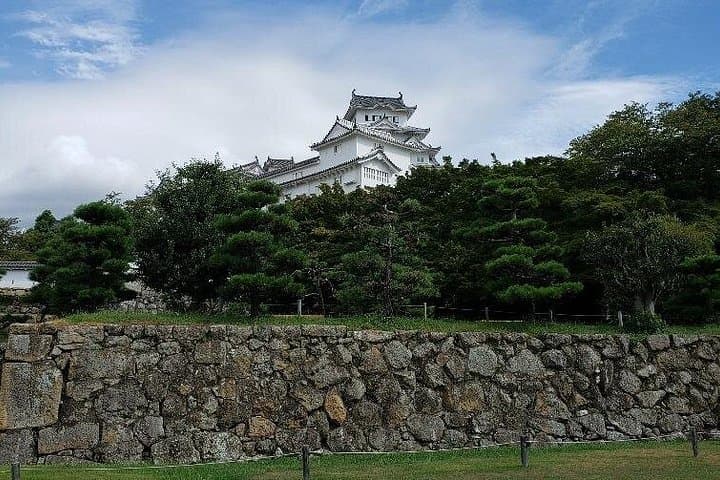
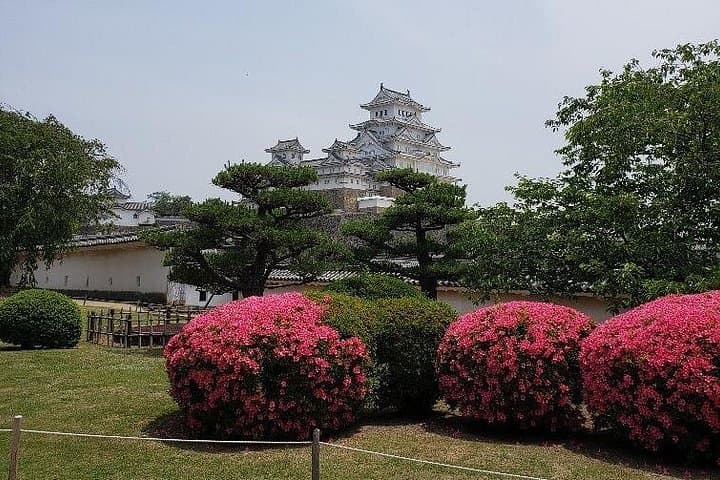
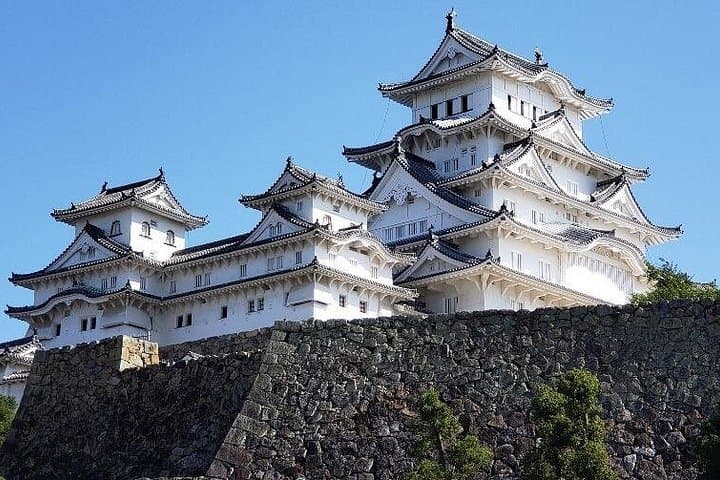
You step through the ticket gate and the world tightens to timber, white plaster and tile — Himeji Castle’s main keep rising above the courtyard like a layered fortress. The guide’s voice threads facts with stories as you move across stone paths, smell the damp earth of the moat-side gardens, and climb the steep, narrow stairs that once carried samurai and storehouses alike.
Verified experiences and guided adventures in the surrounding area.
Operated by Guidedragon · Himeji, Hyogo
You step through the ticket gate and the world tightens to timber, white plaster and tile — Himeji Castle’s main keep rising above the courtyard like a layered fortress. The guide’s voice threads facts with stories as you move across stone paths, smell the damp earth of the moat-side gardens, and climb the steep, narrow stairs that once carried samurai and storehouses alike.
Built and expanded across the Azuchi–Momoyama and early Edo periods, Himeji Castle is one of Japan’s best-preserved feudal fortresses and a UNESCO World Heritage Site. Its complex of baileys, walls and hidden firing slits demonstrates defensive thinking as much as aesthetic restraint. Geologically, the castle crowns low hills formed by ancient marine deposits, while the surrounding moats collect runoff and sustain ponds and koi that draw local birdlife.
Culturally, the castle has long been a focal point for Himeji City — a place of daimyo power, wartime resilience and modern conservation. Guides typically point out wooden joinery, loopholes, and the layered roofs that shed heavy winter rains while framing panoramic views of the city from the top floor.
Practical guidance: wear grippy shoes for steep staircases, carry water, and budget time for ticket lines (admission may be separate). The tour covers gardens, multiple floors of the main keep, and rooftop viewpoints over Himeji; expect lots of short climbs and low ceilings. Photography is allowed in most exterior and garden areas but can be restricted inside sensitive rooms. Aim for morning or late afternoon to avoid the busiest crowds and hottest hours — the castle rewards slow observation.
Admission is often not included; confirm with the operator and be prepared to purchase castle entry tickets at the booth if needed.
Himeji Castle is a 15–20 minute walk east of JR Himeji Station or a short taxi ride; local buses also serve the castle area.
The tour is family-friendly but involves steep, narrow stairs and low ceilings—supervise children and consider mobility limits for older participants.
The main keep has many stairs and limited accessibility; guests with serious spinal, heart, or pregnancy-related concerns are advised this tour may not be suitable.
Guidedragon operates guided outdoor trips and adventures with an emphasis on safety, stewardship, and memorable experiences.
You step through the ticket gate and the world tightens to timber, white plaster and tile — Himeji Castle’s main keep rising above the courtyard like a layered fortress. The guide’s voice threads facts with stories as you move across stone paths, smell the damp earth of the moat-side gardens, and climb the steep, narrow stairs that once carried samurai and storehouses alike.
You step through the ticket gate and the world tightens to timber, white plaster and tile — Himeji Castle’s main keep rising above the courtyard like a layered fortress. The guide’s voice threads facts with stories as you move across stone paths, smell the damp earth of the moat-side gardens, and climb the steep, narrow stairs that once carried samurai and storehouses alike.
Built and expanded across the Azuchi–Momoyama and early Edo periods, Himeji Castle is one of Japan’s best-preserved feudal fortresses and a UNESCO World Heritage Site. Its complex of baileys, walls and hidden firing slits demonstrates defensive thinking as much as aesthetic restraint. Geologically, the castle crowns low hills formed by ancient marine deposits, while the surrounding moats collect runoff and sustain ponds and koi that draw local birdlife.
Culturally, the castle has long been a focal point for Himeji City — a place of daimyo power, wartime resilience and modern conservation. Guides typically point out wooden joinery, loopholes, and the layered roofs that shed heavy winter rains while framing panoramic views of the city from the top floor.
Practical guidance: wear grippy shoes for steep staircases, carry water, and budget time for ticket lines (admission may be separate). The tour covers gardens, multiple floors of the main keep, and rooftop viewpoints over Himeji; expect lots of short climbs and low ceilings. Photography is allowed in most exterior and garden areas but can be restricted inside sensitive rooms. Aim for morning or late afternoon to avoid the busiest crowds and hottest hours — the castle rewards slow observation.