THE ADVENTURE COLLECTIVE® · Independent discovery and booking for outdoor travel

Visit the exact fields where the Anglo-Zulu War turned in 1879 on a full-day guided tour from Durban. Walk short battlefield routes, explore two museums and learn both military detail and local Zulu perspectives.
Visit the exact fields where the Anglo-Zulu War turned in 1879 on a full-day guided tour from Durban. Walk short battlefield routes, explore two museums and learn both military detail and local Zulu perspectives.
Morning light washes the low ridge of Isandlwana in sharp relief; wind moves through dry grass and the hill seems to hold its own memory. Standing at the crest, you face the broad KwaZulu-Natal plain where Zulu regiments once swelled and British columns tried to hold ground. A local guide—steady, precise—threads narrative to landscape, pointing out troop positions, graves and the battered line of memorial plaques that mark the day’s turning points.
Verified experiences and guided adventures in the surrounding area.
Operated by African Tournet Safaris · Isandlwana, KwaZulu-Natal
Morning light washes the low ridge of Isandlwana in sharp relief; wind moves through dry grass and the hill seems to hold its own memory. Standing at the crest, you face the broad KwaZulu-Natal plain where Zulu regiments once swelled and British columns tried to hold ground. A local guide—steady, precise—threads narrative to landscape, pointing out troop positions, graves and the battered line of memorial plaques that mark the day’s turning points.
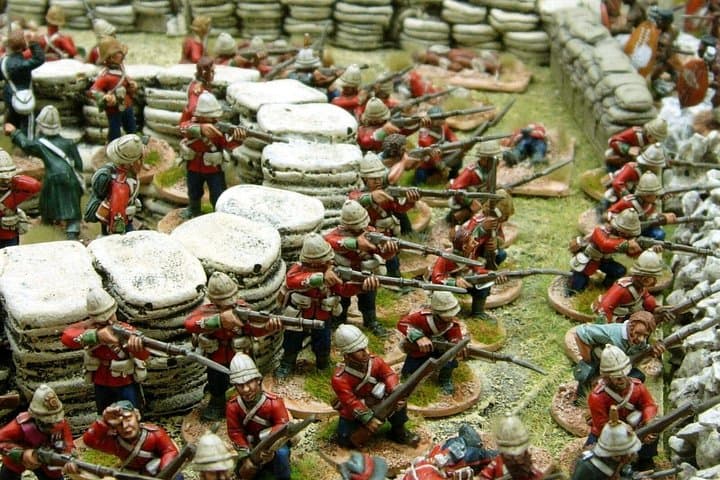
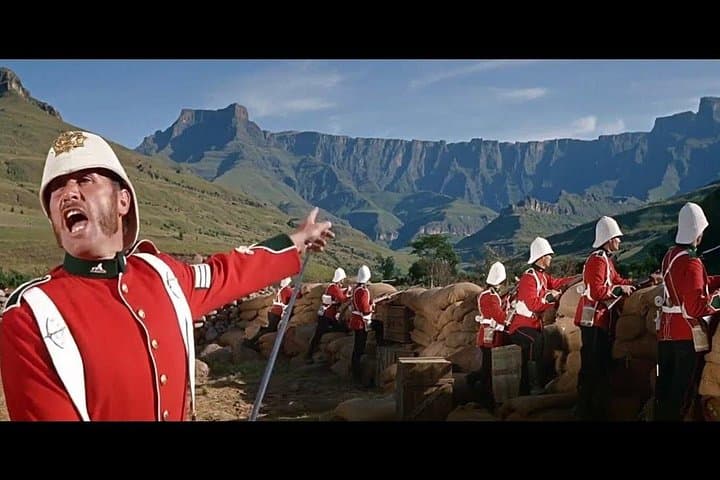
The two sites are compact classrooms of history. Isandlwana is a shallow, prominent hill of late Karoo-era dolerite intrusions and sandstones that provided both terrain and cover; Rorke’s Drift sits beside the Buffalo River, where a mission station became a desperate defensive stand. Together they tell a short, intense story of 22 January 1879 that shaped colonial-era military tactics and Zulu-British relations.
Beyond battle facts, the tour surfaces Zulu cultural context—local clan lines, oral memory—and museum artifacts that include weapons, regimental records and personal items. Expect straightforward, sober interpretation rather than romanticizing.
Practical side: the day is long but physically easy—most time is spent in a vehicle with short guided walks over uneven ground. Wear sturdy shoes, sun protection and bring at least 1–2 liters of water. Photography is welcome but be respectful around graves and memorials; follow your guide’s route to avoid protected areas. Start early to avoid midday heat and allow time to read museum displays. This is a tour for history-minded travelers who want a clear, place-based understanding of two connected battles and the land that witnessed them.
The tour is a full-day outing (roughly 10–12 hours from Durban) with several hours of driving and short, interpretive walks at each site.
Some areas have uneven ground and low inclines; while the overall experience is suitable for most fitness levels, mobility limitations may restrict access to certain viewpoints.
Photography is generally allowed outdoors and in many museum areas, but always follow posted rules and be respectful at graves and memorials.
There are limited facilities near the sites; bring snacks and check whether your tour includes a stop for lunch or pack your own.
African Tournet Safaris operates guided outdoor trips and adventures with an emphasis on safety, stewardship, and memorable experiences.


Morning light washes the low ridge of Isandlwana in sharp relief; wind moves through dry grass and the hill seems to hold its own memory. Standing at the crest, you face the broad KwaZulu-Natal plain where Zulu regiments once swelled and British columns tried to hold ground. A local guide—steady, precise—threads narrative to landscape, pointing out troop positions, graves and the battered line of memorial plaques that mark the day’s turning points.
Morning light washes the low ridge of Isandlwana in sharp relief; wind moves through dry grass and the hill seems to hold its own memory. Standing at the crest, you face the broad KwaZulu-Natal plain where Zulu regiments once swelled and British columns tried to hold ground. A local guide—steady, precise—threads narrative to landscape, pointing out troop positions, graves and the battered line of memorial plaques that mark the day’s turning points.
The two sites are compact classrooms of history. Isandlwana is a shallow, prominent hill of late Karoo-era dolerite intrusions and sandstones that provided both terrain and cover; Rorke’s Drift sits beside the Buffalo River, where a mission station became a desperate defensive stand. Together they tell a short, intense story of 22 January 1879 that shaped colonial-era military tactics and Zulu-British relations.
Beyond battle facts, the tour surfaces Zulu cultural context—local clan lines, oral memory—and museum artifacts that include weapons, regimental records and personal items. Expect straightforward, sober interpretation rather than romanticizing.
Practical side: the day is long but physically easy—most time is spent in a vehicle with short guided walks over uneven ground. Wear sturdy shoes, sun protection and bring at least 1–2 liters of water. Photography is welcome but be respectful around graves and memorials; follow your guide’s route to avoid protected areas. Start early to avoid midday heat and allow time to read museum displays. This is a tour for history-minded travelers who want a clear, place-based understanding of two connected battles and the land that witnessed them.