THE ADVENTURE COLLECTIVE® · Independent discovery and booking for outdoor travel

Walk the Armenian Quarter with a ceramicist guide and meet generations of potters, from family studios to Saint James Church. This private full-day tour blends hands-on craft demonstrations, cultural history, and opportunities to purchase unique tiles and pottery.
Walk the Armenian Quarter with a ceramicist guide and meet generations of potters, from family studios to Saint James Church. This private full-day tour blends hands-on craft demonstrations, cultural history, and opportunities to purchase unique tiles and pottery.
You step off the narrow street and the city changes pitch: limestone walls hold the day’s heat while painted ceramic signs hang like punctuation above your head.
Verified experiences and guided adventures in the surrounding area.
Operated by Anat Amram · Jerusalem, Jerusalem
You step off the narrow street and the city changes pitch: limestone walls hold the day’s heat while painted ceramic signs hang like punctuation above your head.
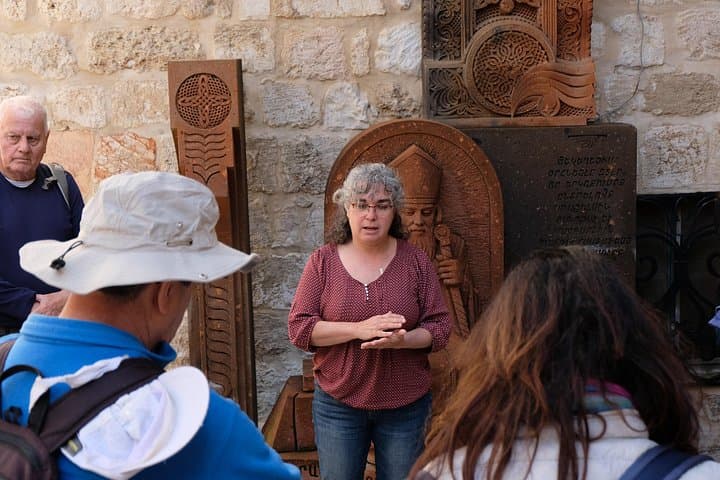
This private, full-day walk through Jerusalem’s Armenian Quarter follows alleys where three generations of potters have worked since families arrived from Turkey in the 1920s. The route moves between small family studios and galleries, through the courtyard of Saint James Church and the Mardigian Museum, where tiles and memorials map a community’s history.
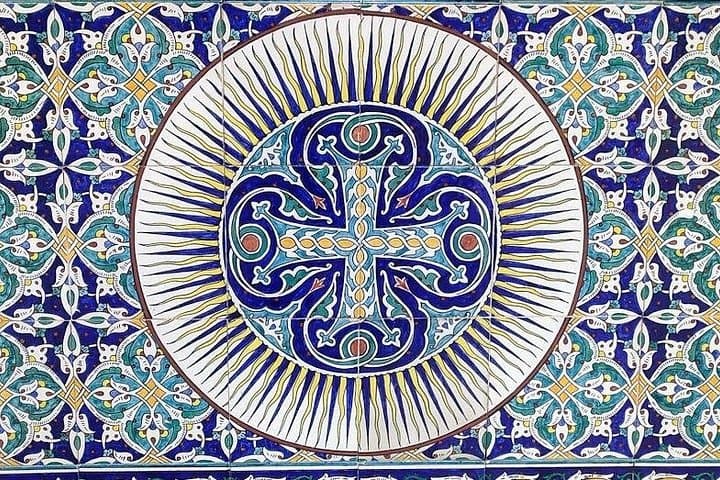
Geology is part of the scene—Jerusalem stone underfoot, soft and worn by centuries of footsteps—so tiles and ceramics feel like an organic extension of the city’s fabric. You’ll see oriental-style tiles from the 18th century alongside contemporary works, and large-scale installations such as Mary Belian’s multi-tile mural that demonstrate technique across scales.
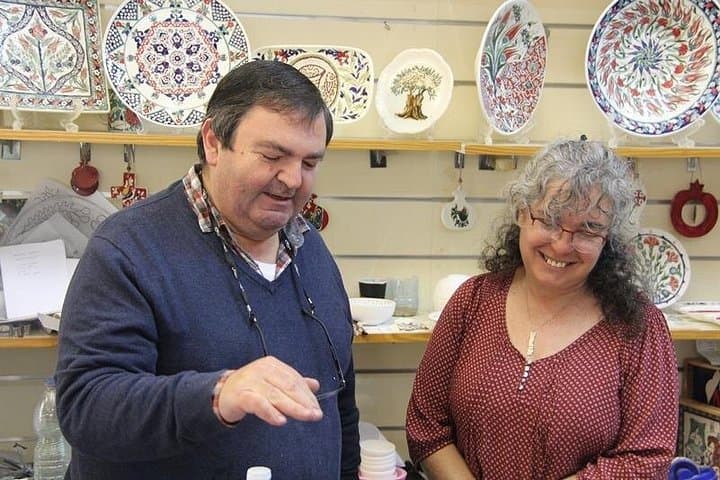
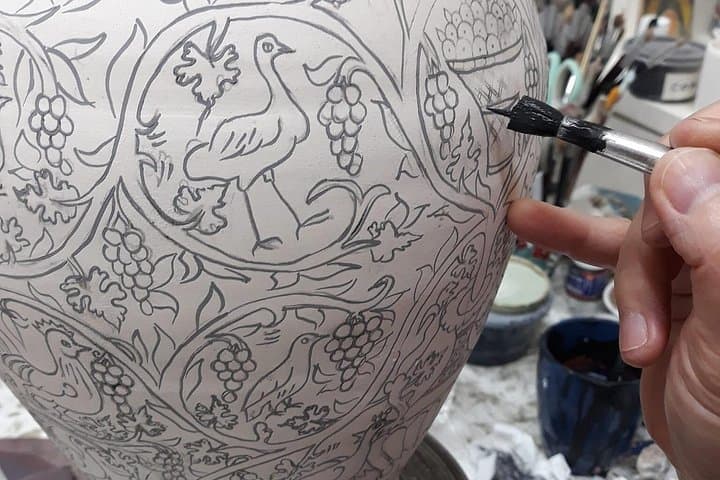
Culturally, the tour pairs craft practice with liturgical life: learn about the Armenian denomination inside chapels, hear family stories about kiln methods, and meet master ceramicists who demonstrate hand-painting and glazing.
Practical guidance: expect 5–6 hours of mostly flat walking on cobblestones and steps; wear firm-soled shoes and modest clothing for church visits. Bring cash for small purchases—many artists prefer it—and a refillable water bottle. The tour is private and accessible by public transport from central Jerusalem; it’s relaxed but dense with stops, so plan for midday sun and pockets of shade. For photographers and makers, this is a rare chance to watch traditional techniques in active workshops and buy directly from the artists.
Yes—this tour includes admission to the Mardigian Museum as part of the itinerary.
Expect mostly gentle walking across uneven cobbles for 5–6 hours with multiple short stops at workshops and sites.
Buying directly from artists is encouraged; polite negotiation is possible but many sellers price works fairly and appreciate straightforward offers.
The tour is described as easy but includes cobblestones and some steps; it may be challenging for those with significant mobility limitations.
Anat Amram operates guided outdoor trips and adventures with an emphasis on safety, stewardship, and memorable experiences.
You step off the narrow street and the city changes pitch: limestone walls hold the day’s heat while painted ceramic signs hang like punctuation above your head.
You step off the narrow street and the city changes pitch: limestone walls hold the day’s heat while painted ceramic signs hang like punctuation above your head.
This private, full-day walk through Jerusalem’s Armenian Quarter follows alleys where three generations of potters have worked since families arrived from Turkey in the 1920s. The route moves between small family studios and galleries, through the courtyard of Saint James Church and the Mardigian Museum, where tiles and memorials map a community’s history.
Geology is part of the scene—Jerusalem stone underfoot, soft and worn by centuries of footsteps—so tiles and ceramics feel like an organic extension of the city’s fabric. You’ll see oriental-style tiles from the 18th century alongside contemporary works, and large-scale installations such as Mary Belian’s multi-tile mural that demonstrate technique across scales.
Culturally, the tour pairs craft practice with liturgical life: learn about the Armenian denomination inside chapels, hear family stories about kiln methods, and meet master ceramicists who demonstrate hand-painting and glazing.
Practical guidance: expect 5–6 hours of mostly flat walking on cobblestones and steps; wear firm-soled shoes and modest clothing for church visits. Bring cash for small purchases—many artists prefer it—and a refillable water bottle. The tour is private and accessible by public transport from central Jerusalem; it’s relaxed but dense with stops, so plan for midday sun and pockets of shade. For photographers and makers, this is a rare chance to watch traditional techniques in active workshops and buy directly from the artists.