THE ADVENTURE COLLECTIVE® · Independent discovery and booking for outdoor travel

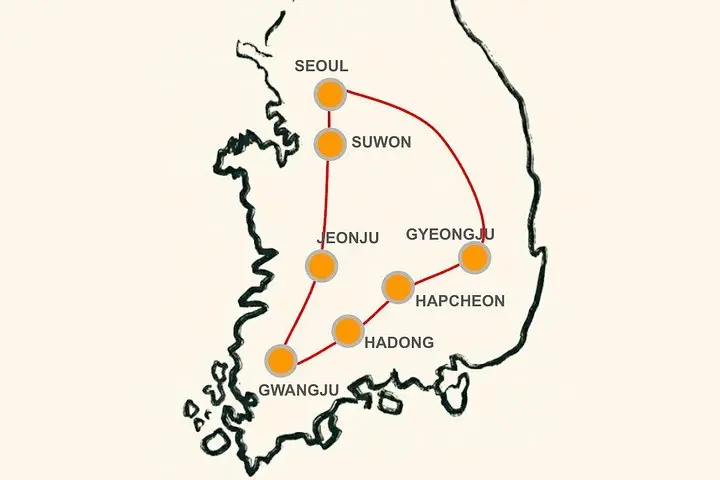
Trace Korea’s jump from kingdom craftsmanship to semiconductor power on a 7‑day cultural route from Seoul through Gyeongju, Haeinsa, Hadong and Gwangju. This tour pairs expert interpretation with UNESCO sites and local experiences that reveal the practical roots of modern Korea.
Trace Korea’s jump from kingdom craftsmanship to semiconductor power on a 7‑day cultural route from Seoul through Gyeongju, Haeinsa, Hadong and Gwangju. This tour pairs expert interpretation with UNESCO sites and local experiences that reveal the practical roots of modern Korea.
You arrive in a city where neon meets palace stone: Seoul’s broad avenues hum with subway brakes and street vendors while ancient gates keep quiet watch. The first morning, the group stands between statues of King Sejong and Admiral Yi Sun‑sin, listening as a guide traces the lines from literacy campaigns to modern education pressure—an explanation that unfolds like a map of the country’s development.
Verified experiences and guided adventures in the surrounding area.
Operated by Ko-real · Seoul, Seoul
You arrive in a city where neon meets palace stone: Seoul’s broad avenues hum with subway brakes and street vendors while ancient gates keep quiet watch. The first morning, the group stands between statues of King Sejong and Admiral Yi Sun‑sin, listening as a guide traces the lines from literacy campaigns to modern education pressure—an explanation that unfolds like a map of the country’s development.
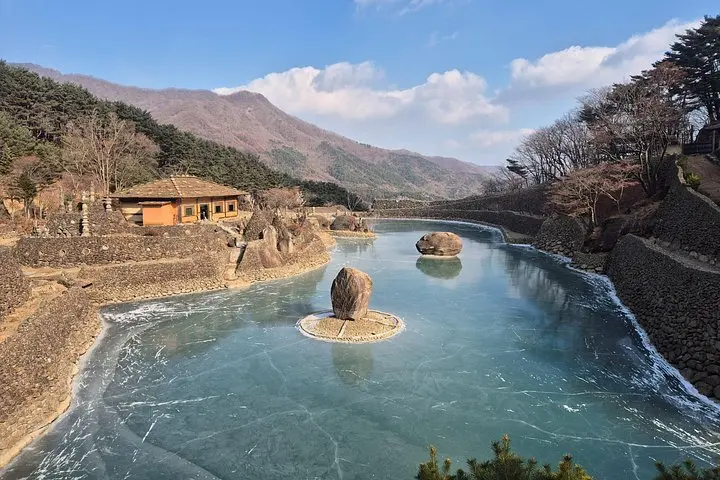
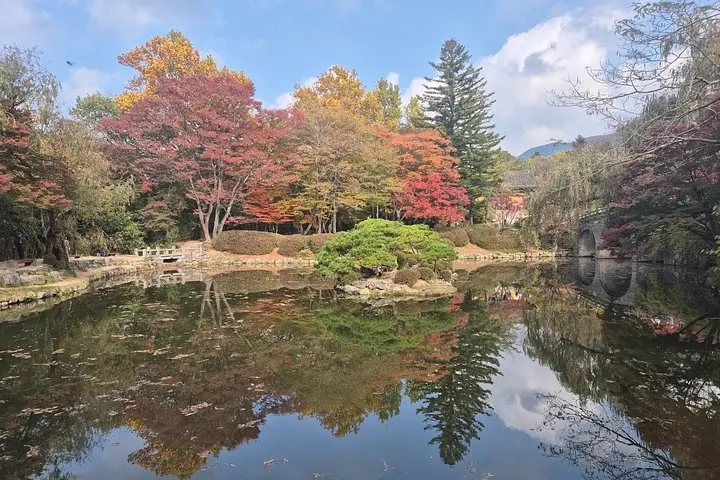
Across seven days the route moves south through urban skyscrapers to grass‑covered Silla tumuli in Gyeongju, then into the wooded context of Haeinsa Temple and the tea terraces of Hadong. Geology and craft surface together: granite pagodas and engineered grottoes reveal a culture that learned to work with hard stone and steep slopes; fertile southern valleys still produce Korea’s celebrated teas. You’ll meet civic history in Gwangju’s archives and see how place‑based memory shaped modern democracy.
Culturally, expect a focus on discipline, craft, and communal resilience—temple stays, hanok villages, and local tea masters all reinforce patterns of repetition and precision that echo Korea’s industrial story. Guides are subject experts; some sites are UNESCO protected and require respectful behavior.
Practical guidance: pack comfortable walking shoes for uneven historic sites and a light rain layer (Korea’s weather can change rapidly). Carry a T‑money transit card for efficient subway and bus travel, and bring a compact daypack for water and documents. Temple stays involve simple sleeping arrangements and quiet hours—observe modest dress and phone etiquette. Finally, pace yourself: the itinerary is dense; plan rest moments to absorb the layered history instead of rushing the experience.
Most breakfasts and several lunches/dinners are included per the itinerary; guides will specify which meals you need to cover.
The tour includes historic sites with steps and uneven paths and is rated moderate; travelers with spinal, heart, or pregnancy concerns should consult the operator.
Visa requirements depend on nationality—check the South Korean government visa site well before travel and ensure your passport meets entry rules.
Tours are led by subject matter experts—confirm the language of your specific departure (English is commonly offered on international departures).
Ko-real operates guided outdoor trips and adventures with an emphasis on safety, stewardship, and memorable experiences.
You arrive in a city where neon meets palace stone: Seoul’s broad avenues hum with subway brakes and street vendors while ancient gates keep quiet watch. The first morning, the group stands between statues of King Sejong and Admiral Yi Sun‑sin, listening as a guide traces the lines from literacy campaigns to modern education pressure—an explanation that unfolds like a map of the country’s development.
You arrive in a city where neon meets palace stone: Seoul’s broad avenues hum with subway brakes and street vendors while ancient gates keep quiet watch. The first morning, the group stands between statues of King Sejong and Admiral Yi Sun‑sin, listening as a guide traces the lines from literacy campaigns to modern education pressure—an explanation that unfolds like a map of the country’s development.
Across seven days the route moves south through urban skyscrapers to grass‑covered Silla tumuli in Gyeongju, then into the wooded context of Haeinsa Temple and the tea terraces of Hadong. Geology and craft surface together: granite pagodas and engineered grottoes reveal a culture that learned to work with hard stone and steep slopes; fertile southern valleys still produce Korea’s celebrated teas. You’ll meet civic history in Gwangju’s archives and see how place‑based memory shaped modern democracy.
Culturally, expect a focus on discipline, craft, and communal resilience—temple stays, hanok villages, and local tea masters all reinforce patterns of repetition and precision that echo Korea’s industrial story. Guides are subject experts; some sites are UNESCO protected and require respectful behavior.
Practical guidance: pack comfortable walking shoes for uneven historic sites and a light rain layer (Korea’s weather can change rapidly). Carry a T‑money transit card for efficient subway and bus travel, and bring a compact daypack for water and documents. Temple stays involve simple sleeping arrangements and quiet hours—observe modest dress and phone etiquette. Finally, pace yourself: the itinerary is dense; plan rest moments to absorb the layered history instead of rushing the experience.