THE ADVENTURE COLLECTIVE® · Independent discovery and booking for outdoor travel

Experience Lalibela from the inside: home-cooked meals, a traditional coffee ceremony, and guided access to the rock-hewn churches across two days. This private tour blends spiritual services, local life, and a short sunset hike for panoramic highland views.
Experience Lalibela from the inside: home-cooked meals, a traditional coffee ceremony, and guided access to the rock-hewn churches across two days. This private tour blends spiritual services, local life, and a short sunset hike for panoramic highland views.
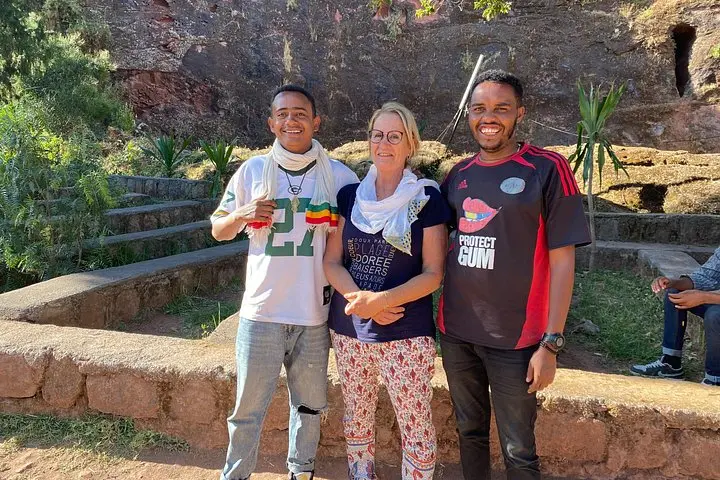
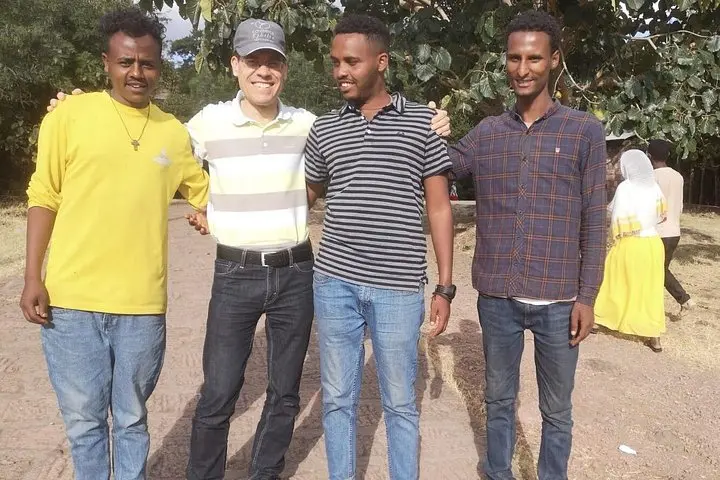
You step out of the airport into thin, cool highland air; stone alleys descend and rise like the ribs of the mountain and the guide—born here—leads you through narrow lanes to a simple family house where the aroma of simmering berbere invites you in. Over a home-cooked lunch and a traditional coffee ceremony, you trade words in Amharic and begin to understand Lalibela not as a postcard but as a living place.
Verified experiences and guided adventures in the surrounding area.
Operated by Lalibela Backpacker tours · Lalibela, Amhara
You step out of the airport into thin, cool highland air; stone alleys descend and rise like the ribs of the mountain and the guide—born here—leads you through narrow lanes to a simple family house where the aroma of simmering berbere invites you in. Over a home-cooked lunch and a traditional coffee ceremony, you trade words in Amharic and begin to understand Lalibela not as a postcard but as a living place.
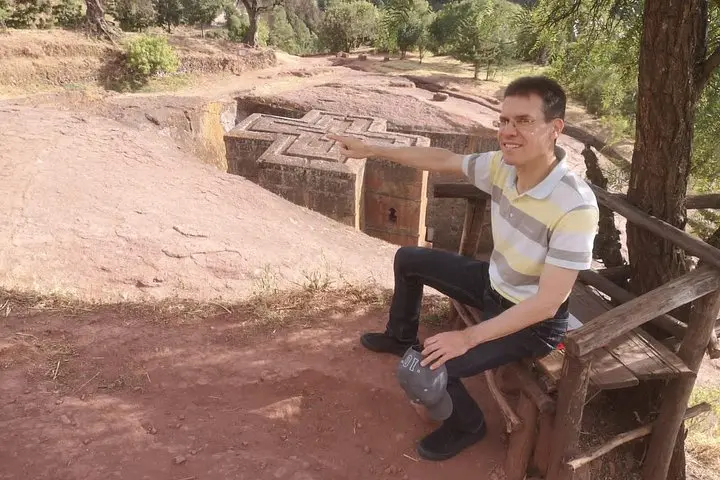
Carved from volcanic tuff in the 12th century under King Lalibela, the monolithic churches are an architectural feat and active worship sites of the Ethiopian Orthodox Church. The northern and southern clusters sit on exposed ridgelines of the Ethiopian Highlands at roughly 2,600 m, connected by stone stairways, tunnels, and courtyard paths; expect uneven rock steps, narrow passages, and short scrambles when moving between sites.
Culture and geology intersect here: weathered tuff creates clean vertical faces perfect for carving, while centuries of pilgrimage sustain local traditions—morning services resonate with chants that feel older than the stones. A short 10–20 minute sunset hike gains ~100–150 m for panoramic views over terraced fields and red roofs.
Practical guidance: dress modestly (shoulders and knees covered) for church visits, wear sturdy walking shoes for uneven terrain, and carry water to manage altitude. Aim for early morning or late afternoon visits to avoid the busiest hours and to experience live services. Respect worshippers, follow your guide’s instructions inside sacred spaces, and bring small bills if you plan to support the museum or local vendors.
No; the rock-hewn churches and connecting paths include steps, narrow tunnels, and uneven terrain that make wheelchair access impractical.
Yes—this tour includes one night in a guesthouse, home-cooked lunch and dinner, breakfast, and all entrance fees listed by the operator.
Yes—depending on timing you may attend a morning or afternoon Ethiopian Orthodox service; quiet respect and modest dress are required.
Expect several hours of walking across uneven stone surfaces, short uphill stretches, and a 10–20 minute sunset hike with about 100–150 m gain.
Lalibela Backpacker tours operates guided outdoor trips and adventures with an emphasis on safety, stewardship, and memorable experiences.

You step out of the airport into thin, cool highland air; stone alleys descend and rise like the ribs of the mountain and the guide—born here—leads you through narrow lanes to a simple family house where the aroma of simmering berbere invites you in. Over a home-cooked lunch and a traditional coffee ceremony, you trade words in Amharic and begin to understand Lalibela not as a postcard but as a living place.
You step out of the airport into thin, cool highland air; stone alleys descend and rise like the ribs of the mountain and the guide—born here—leads you through narrow lanes to a simple family house where the aroma of simmering berbere invites you in. Over a home-cooked lunch and a traditional coffee ceremony, you trade words in Amharic and begin to understand Lalibela not as a postcard but as a living place.
Carved from volcanic tuff in the 12th century under King Lalibela, the monolithic churches are an architectural feat and active worship sites of the Ethiopian Orthodox Church. The northern and southern clusters sit on exposed ridgelines of the Ethiopian Highlands at roughly 2,600 m, connected by stone stairways, tunnels, and courtyard paths; expect uneven rock steps, narrow passages, and short scrambles when moving between sites.
Culture and geology intersect here: weathered tuff creates clean vertical faces perfect for carving, while centuries of pilgrimage sustain local traditions—morning services resonate with chants that feel older than the stones. A short 10–20 minute sunset hike gains ~100–150 m for panoramic views over terraced fields and red roofs.
Practical guidance: dress modestly (shoulders and knees covered) for church visits, wear sturdy walking shoes for uneven terrain, and carry water to manage altitude. Aim for early morning or late afternoon visits to avoid the busiest hours and to experience live services. Respect worshippers, follow your guide’s instructions inside sacred spaces, and bring small bills if you plan to support the museum or local vendors.