THE ADVENTURE COLLECTIVE® · Independent discovery and booking for outdoor travel

A three‑day visit to Lalibela places you inside one of Ethiopia’s most remarkable medieval complexes — rock‑hewn churches, active worship, and highland air. This compact guide covers what you’ll see, how to move between sites, and practical tips to plan the trip.
A three‑day visit to Lalibela places you inside one of Ethiopia’s most remarkable medieval complexes — rock‑hewn churches, active worship, and highland air. This compact guide covers what you’ll see, how to move between sites, and practical tips to plan the trip.
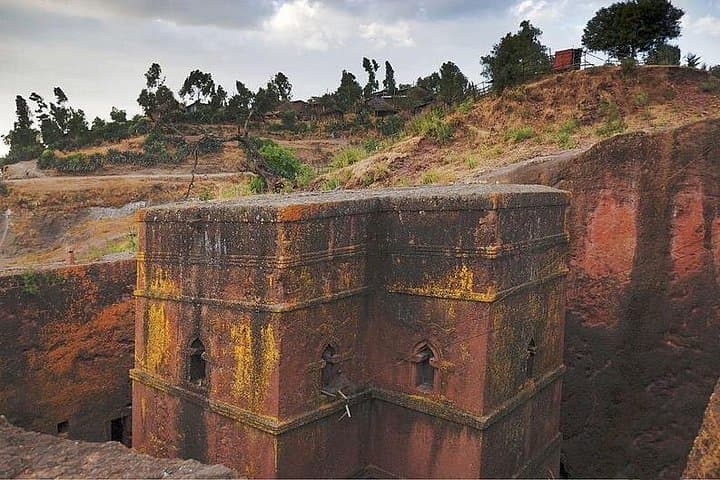
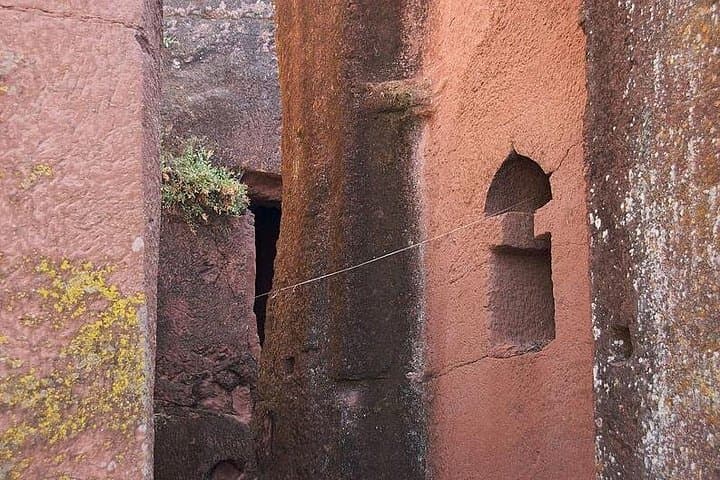
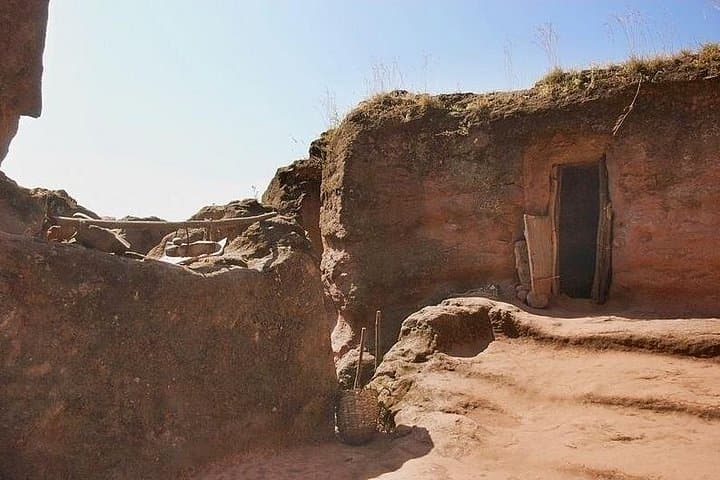
Morning light slices down narrow carved alleys as you step from the lodge into Lalibela’s carved world — stone walls cool underfoot, the small Jordan stream daring you toward the first cluster of churches. Over three days the rock seems to breathe: ancient faces of saints watching, narrow tunnels guiding you between chambers where incense still lingers.
Verified experiences and guided adventures in the surrounding area.
Operated by Ethio Travel And Tours · Lalibela, Amhara
Morning light slices down narrow carved alleys as you step from the lodge into Lalibela’s carved world — stone walls cool underfoot, the small Jordan stream daring you toward the first cluster of churches. Over three days the rock seems to breathe: ancient faces of saints watching, narrow tunnels guiding you between chambers where incense still lingers.
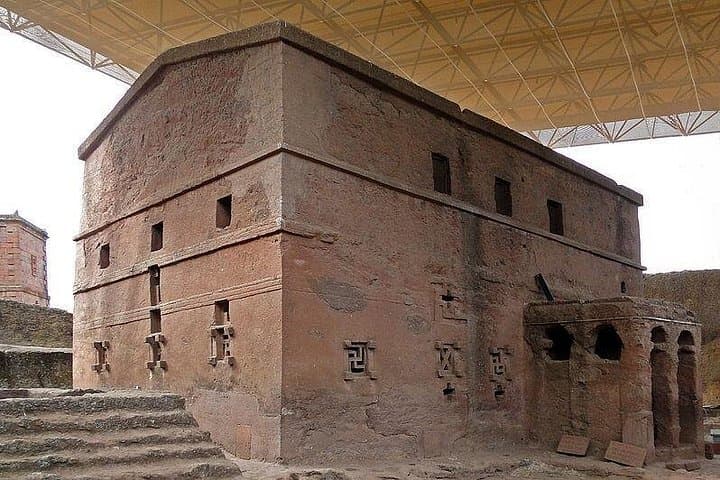
The churches were carved in the 12th–13th centuries during the reign of King Lalibela and remain an active center of Ethiopian Orthodox worship. Geologically, the structures are hewn from compacted volcanic tuff; craftsmen removed rock to form freestanding and monolithic interiors connected by trenches and passageways. Local culture is tightly woven into visits: you may encounter clergy, worshippers, and traditional prayers; on Saturdays a lively market brings the town’s rhythms into view.
Expect guided walks across uneven stone, short stair climbs into recessed chapels, and visits to Ne’akuto Le’ab with its collection of crosses and manuscripts. Days are paced around sunlight — morning and late afternoon reveal the carvings’ reliefs best.
Practically: flights from Addis Ababa reduce long overland travel, accommodation is basic to comfortable, and entrance fees are typically included. Bring sturdy shoes, a light layer for cool mornings, and modest clothing for religious sites. Keep water handy; altitudes near 2,500 m can make simple walks feel brisk. Respect photography rules inside active chapels and allow time for quiet observation — these are living sites, not static exhibits.
Most visitors fly a short domestic flight from Addis Ababa to Lalibela; the tour includes round‑trip flights and transfers to your lodge.
This package lists entrance fees as included, but confirm with your operator if all church admissions and local taxes are covered.
The itinerary is labeled suitable for all fitness levels, but many churches involve steps and narrow passages; travelers with limited mobility should check specific access constraints.
Yes—many churches are active worship sites; visitors should be respectful, ask permission before photographing, and follow guidance from clergy or guides.
Ethio Travel And Tours operates guided outdoor trips and adventures with an emphasis on safety, stewardship, and memorable experiences.
Morning light slices down narrow carved alleys as you step from the lodge into Lalibela’s carved world — stone walls cool underfoot, the small Jordan stream daring you toward the first cluster of churches. Over three days the rock seems to breathe: ancient faces of saints watching, narrow tunnels guiding you between chambers where incense still lingers.
Morning light slices down narrow carved alleys as you step from the lodge into Lalibela’s carved world — stone walls cool underfoot, the small Jordan stream daring you toward the first cluster of churches. Over three days the rock seems to breathe: ancient faces of saints watching, narrow tunnels guiding you between chambers where incense still lingers.
The churches were carved in the 12th–13th centuries during the reign of King Lalibela and remain an active center of Ethiopian Orthodox worship. Geologically, the structures are hewn from compacted volcanic tuff; craftsmen removed rock to form freestanding and monolithic interiors connected by trenches and passageways. Local culture is tightly woven into visits: you may encounter clergy, worshippers, and traditional prayers; on Saturdays a lively market brings the town’s rhythms into view.
Expect guided walks across uneven stone, short stair climbs into recessed chapels, and visits to Ne’akuto Le’ab with its collection of crosses and manuscripts. Days are paced around sunlight — morning and late afternoon reveal the carvings’ reliefs best.
Practically: flights from Addis Ababa reduce long overland travel, accommodation is basic to comfortable, and entrance fees are typically included. Bring sturdy shoes, a light layer for cool mornings, and modest clothing for religious sites. Keep water handy; altitudes near 2,500 m can make simple walks feel brisk. Respect photography rules inside active chapels and allow time for quiet observation — these are living sites, not static exhibits.