THE ADVENTURE COLLECTIVE® · Independent discovery and booking for outdoor travel

Step into Les Halles Paul Bocuse for a two-hour guided look at Lyon’s culinary heart. Learn the history behind classic dishes, why local wines pair the way they do, and what makes this market central to the city’s food culture.
Step into Les Halles Paul Bocuse for a two-hour guided look at Lyon’s culinary heart. Learn the history behind classic dishes, why local wines pair the way they do, and what makes this market central to the city’s food culture.
You enter Les Halles Paul Bocuse and the room speaks in scents: warm butter, cured ham, slow-braised stock and citrus from nearby stalls. Light glints off copper pans and hand-lettered signs; vendors trade in stories as easily as they trade in saucisson. This tour places you in the center of Lyon’s culinary life, where markets still set the rhythm of the day.
Verified experiences and guided adventures in the surrounding area.
Operated by Eillin's Food Tour · Lyon, Auvergne-Rhône-Alpes
You enter Les Halles Paul Bocuse and the room speaks in scents: warm butter, cured ham, slow-braised stock and citrus from nearby stalls. Light glints off copper pans and hand-lettered signs; vendors trade in stories as easily as they trade in saucisson. This tour places you in the center of Lyon’s culinary life, where markets still set the rhythm of the day.
The hall itself was renamed for Paul Bocuse in 2006 after a long local tradition of market culture that stretches back to Lyon’s medieval role as a regional trade hub on the Rhône and Saône. Geology plays a quiet part here — the alluvial plains fed by the two rivers have long supported rich agriculture, which is why Lyon became a crossroads for cheeses, wines and charcuterie. Culturally, the city’s ‘bouchons’ and market stalls reflect a working-class pride in hearty recipes and precise technique.
On this two-hour guided walk you’ll hear why particular wines pair with regional dishes, where classic Lyonnaise recipes originated and how small producers keep traditions alive. The guide is bilingual and conversational; the tour focuses on stories and context rather than tastings, so expect explanation, not samples.
Practical guidance: arrive early for the peak market bustle, wear comfortable shoes for standing and moving between stalls, and bring a reusable bag if you plan to buy products afterward. Public transit serves the hall directly and facilities are wheelchair accessible, making this a practical, sensory primer on why Lyon is called France’s gastronomic capital.
No—this is an interpretive cultural tour that explains the history and pairings but does not include samples; you can purchase items at stalls independently.
Most tours meet at the main entrance to Les Halles Paul Bocuse; confirm the exact meeting point on your booking voucher or with the operator before arrival.
Yes, the hall and the tour route are wheelchair and stroller accessible; let the operator know any special requirements when booking.
The guide is bilingual—English and French—so commentary will be delivered in both languages for an international audience.
Eillin's Food Tour operates guided outdoor trips and adventures with an emphasis on safety, stewardship, and memorable experiences.
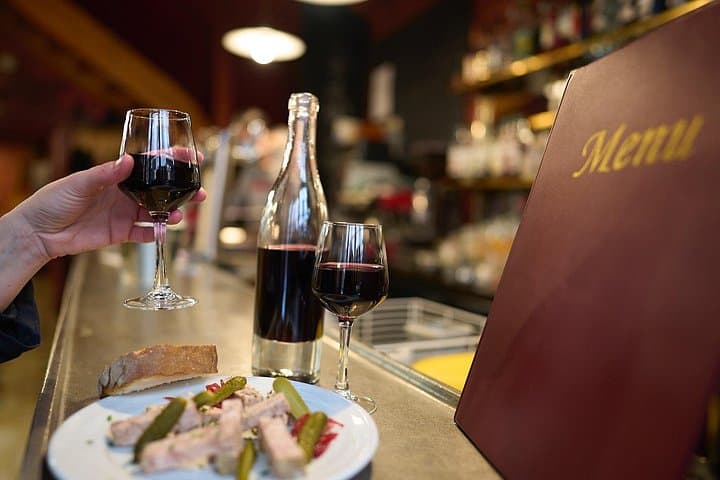


You enter Les Halles Paul Bocuse and the room speaks in scents: warm butter, cured ham, slow-braised stock and citrus from nearby stalls. Light glints off copper pans and hand-lettered signs; vendors trade in stories as easily as they trade in saucisson. This tour places you in the center of Lyon’s culinary life, where markets still set the rhythm of the day.
You enter Les Halles Paul Bocuse and the room speaks in scents: warm butter, cured ham, slow-braised stock and citrus from nearby stalls. Light glints off copper pans and hand-lettered signs; vendors trade in stories as easily as they trade in saucisson. This tour places you in the center of Lyon’s culinary life, where markets still set the rhythm of the day.
The hall itself was renamed for Paul Bocuse in 2006 after a long local tradition of market culture that stretches back to Lyon’s medieval role as a regional trade hub on the Rhône and Saône. Geology plays a quiet part here — the alluvial plains fed by the two rivers have long supported rich agriculture, which is why Lyon became a crossroads for cheeses, wines and charcuterie. Culturally, the city’s ‘bouchons’ and market stalls reflect a working-class pride in hearty recipes and precise technique.
On this two-hour guided walk you’ll hear why particular wines pair with regional dishes, where classic Lyonnaise recipes originated and how small producers keep traditions alive. The guide is bilingual and conversational; the tour focuses on stories and context rather than tastings, so expect explanation, not samples.
Practical guidance: arrive early for the peak market bustle, wear comfortable shoes for standing and moving between stalls, and bring a reusable bag if you plan to buy products afterward. Public transit serves the hall directly and facilities are wheelchair accessible, making this a practical, sensory primer on why Lyon is called France’s gastronomic capital.