THE ADVENTURE COLLECTIVE® · Independent discovery and booking for outdoor travel

Experience chocolate history and tastings at Lindt Home of Chocolate in Kilchberg—a compact 45‑minute visit with interactive exhibits and a factory shop. Confirm pickup and ticket PDF ahead of time for a smooth visit.
Experience chocolate history and tastings at Lindt Home of Chocolate in Kilchberg—a compact 45‑minute visit with interactive exhibits and a factory shop. Confirm pickup and ticket PDF ahead of time for a smooth visit.
You step off the air‑conditioned vehicle and the glass façade of Lindt Home of Chocolate catches the light, a modern block of industry and indulgence at the water’s edge of Kilchberg. The scent of toasted cocoa and warm sugar pulls you toward interactive displays: tasting stations, a live chocolate workshop, and exhibits that trace chocolate from bean to bar.
Verified experiences and guided adventures in the surrounding area.
Operated by Emo Tours Swiss · Kilchberg, Zurich
You step off the air‑conditioned vehicle and the glass façade of Lindt Home of Chocolate catches the light, a modern block of industry and indulgence at the water’s edge of Kilchberg. The scent of toasted cocoa and warm sugar pulls you toward interactive displays: tasting stations, a live chocolate workshop, and exhibits that trace chocolate from bean to bar.
The story here is both industrial and artisanal. Swiss chocolate’s modern techniques—most famously Rodolphe Lindt’s conching invention in the late 19th century—are explained alongside the company’s evolution into a global chocolatier. Geology and geography appear in the background: Lake Zurich’s glacial basin shaped the region’s transport routes, helping make Zurich a trade hub for imported cocoa and refined goods.
Local culture shows up in small ways: café tables where Zurichers take an espresso and a chocolate sample, a factory shop stacked with seasonal specialties, and a promenade along the lake for a quiet digestif after the tour. Practical details dominate the last act: the standard visit lasts roughly 45 minutes, guided or self‑guided, with tastings sprinkled through the route. If you’ve booked pickup, confirm the meeting point and PDF ticket in advance; the museum allows mobile tickets but distribution is by prior arrangement.
Plan to arrive hungry for information and small bites rather than a full meal; allow time afterward to browse the shop or walk the lakeshore. For families and chocolate nerds alike, this is a compact, sensory introduction to Swiss chocolate craft with pragmatic logistics—short, sweet, and thoroughly documented.
Mobile tickets are accepted but you must contact the operator to receive your PDF ticket before arrival.
The standard visit is approximately 45 minutes, though shopping or café time will extend your stay.
The museum is designed for broad accessibility, but confirm specific needs when you contact the operator for your ticket and pickup.
Tastings are included; however, many samples contain dairy and nuts—ask staff about ingredients and alternatives.
Emo Tours Swiss operates guided outdoor trips and adventures with an emphasis on safety, stewardship, and memorable experiences.
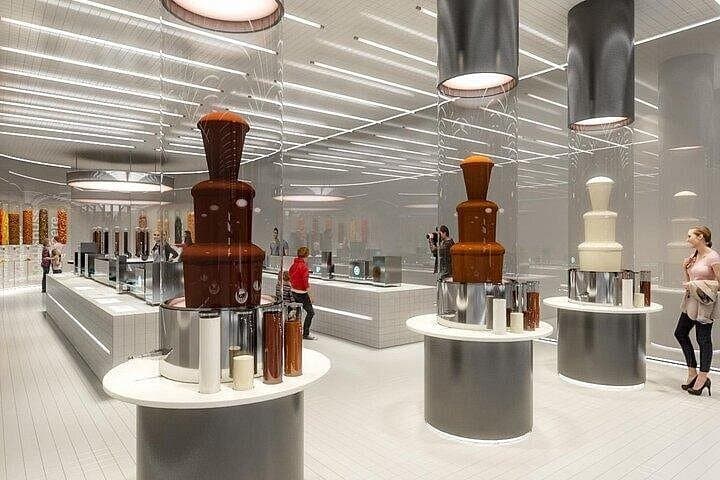


You step off the air‑conditioned vehicle and the glass façade of Lindt Home of Chocolate catches the light, a modern block of industry and indulgence at the water’s edge of Kilchberg. The scent of toasted cocoa and warm sugar pulls you toward interactive displays: tasting stations, a live chocolate workshop, and exhibits that trace chocolate from bean to bar.
You step off the air‑conditioned vehicle and the glass façade of Lindt Home of Chocolate catches the light, a modern block of industry and indulgence at the water’s edge of Kilchberg. The scent of toasted cocoa and warm sugar pulls you toward interactive displays: tasting stations, a live chocolate workshop, and exhibits that trace chocolate from bean to bar.
The story here is both industrial and artisanal. Swiss chocolate’s modern techniques—most famously Rodolphe Lindt’s conching invention in the late 19th century—are explained alongside the company’s evolution into a global chocolatier. Geology and geography appear in the background: Lake Zurich’s glacial basin shaped the region’s transport routes, helping make Zurich a trade hub for imported cocoa and refined goods.
Local culture shows up in small ways: café tables where Zurichers take an espresso and a chocolate sample, a factory shop stacked with seasonal specialties, and a promenade along the lake for a quiet digestif after the tour. Practical details dominate the last act: the standard visit lasts roughly 45 minutes, guided or self‑guided, with tastings sprinkled through the route. If you’ve booked pickup, confirm the meeting point and PDF ticket in advance; the museum allows mobile tickets but distribution is by prior arrangement.
Plan to arrive hungry for information and small bites rather than a full meal; allow time afterward to browse the shop or walk the lakeshore. For families and chocolate nerds alike, this is a compact, sensory introduction to Swiss chocolate craft with pragmatic logistics—short, sweet, and thoroughly documented.