THE ADVENTURE COLLECTIVE® · Independent discovery and booking for outdoor travel

Explore two centuries of London movement at the London Transport Museum in Covent Garden. Restored buses, Tube carriages, poster art and interactive galleries combine to teach transport history in an accessible, family-friendly way.
Explore two centuries of London movement at the London Transport Museum in Covent Garden. Restored buses, Tube carriages, poster art and interactive galleries combine to teach transport history in an accessible, family-friendly way.
You step from the drizzle of Covent Garden into a warm exhibition hall where red buses seem to loom like patient giants and a vintage Tube carriage waits as if about to rattle back into steam.
Verified experiences and guided adventures in the surrounding area.
Operated by London Transport Museum · London, Greater London
You step from the drizzle of Covent Garden into a warm exhibition hall where red buses seem to loom like patient giants and a vintage Tube carriage waits as if about to rattle back into steam.
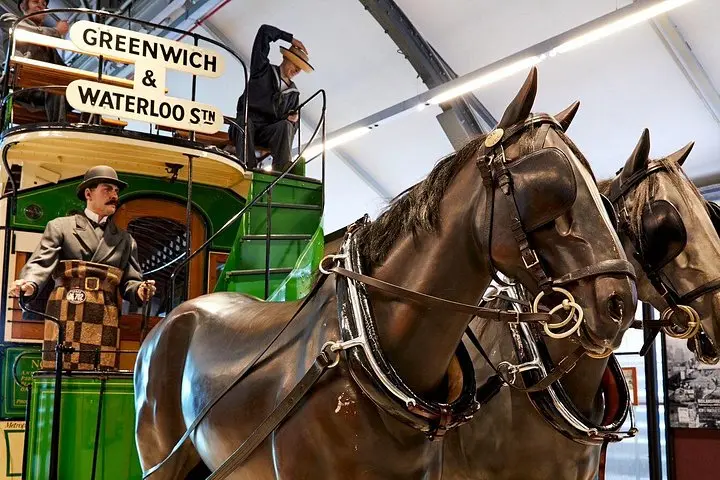
The London Transport Museum occupies the old flower market piazza, tracing 220 years of movement—from horse-drawn omnibuses to the pioneering underground. The galleries make engineering legible: Beck’s Tube map reduced a sprawling city into a readable diagram, the roundel became a practical icon, and restored vehicles show industrial design evolving alongside London’s growth.
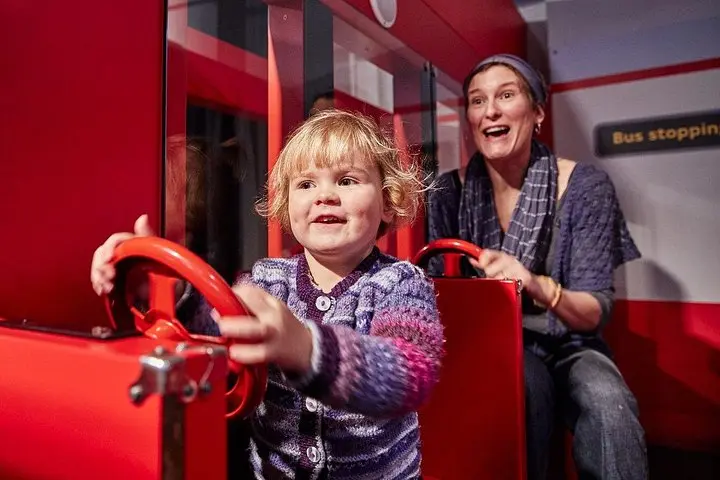
Beyond machines, the visit surfaces cultural layers: wartime posters and commercial art that framed public morale and consumer life, the social history of commuting, and the design thinking behind signage and wayfinding that still shapes the city today. Families gravitate to the All Aboard play zone and the Future Engineers gallery, while design geeks linger in the posters and How to Make a Poster exhibit.
Practically, plan two hours to move through core displays; longer if you want hands-on galleries or the shop and Canteen. The museum is wheelchair accessible and stroller-friendly; photography is generally allowed but respect exhibit signage. Arrive early to avoid school groups and book mobile tickets in advance for guaranteed entry. Nearest Tube is Covent Garden (Piccadilly line); bus and rail options put you within a short walk. Bring layers for London’s fickle weather and a compact bag for gallery browsing. Whether you’re scouting family activities or studying transport design, the museum gives a clean, walkable narrative of how movement shaped a city.
Allocate about two hours for the main galleries; families and design enthusiasts may stay longer to use interactive zones and read displays.
Yes—the museum is wheelchair and stroller accessible with level surfaces and accessible facilities throughout.
Photography is generally allowed for personal use, but follow exhibit signage where flash or tripods may be restricted.
Covent Garden Tube station (Piccadilly line) is the closest; several bus routes and nearby rail stations put you within a short walk.
London Transport Museum operates guided outdoor trips and adventures with an emphasis on safety, stewardship, and memorable experiences.
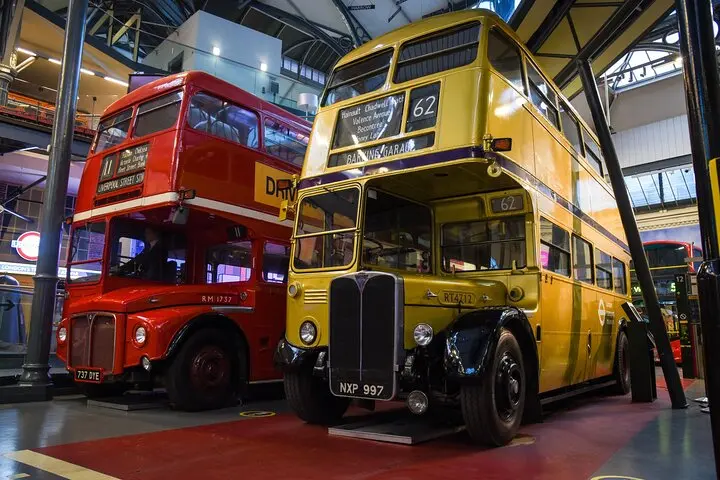
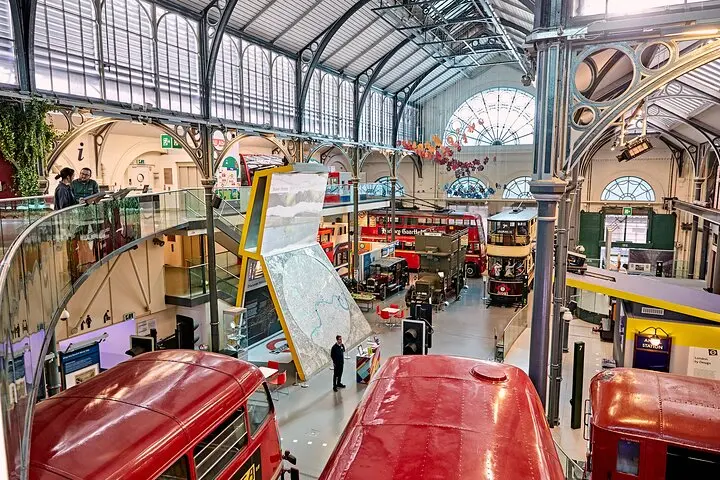
You step from the drizzle of Covent Garden into a warm exhibition hall where red buses seem to loom like patient giants and a vintage Tube carriage waits as if about to rattle back into steam.
You step from the drizzle of Covent Garden into a warm exhibition hall where red buses seem to loom like patient giants and a vintage Tube carriage waits as if about to rattle back into steam.
The London Transport Museum occupies the old flower market piazza, tracing 220 years of movement—from horse-drawn omnibuses to the pioneering underground. The galleries make engineering legible: Beck’s Tube map reduced a sprawling city into a readable diagram, the roundel became a practical icon, and restored vehicles show industrial design evolving alongside London’s growth.
Beyond machines, the visit surfaces cultural layers: wartime posters and commercial art that framed public morale and consumer life, the social history of commuting, and the design thinking behind signage and wayfinding that still shapes the city today. Families gravitate to the All Aboard play zone and the Future Engineers gallery, while design geeks linger in the posters and How to Make a Poster exhibit.
Practically, plan two hours to move through core displays; longer if you want hands-on galleries or the shop and Canteen. The museum is wheelchair accessible and stroller-friendly; photography is generally allowed but respect exhibit signage. Arrive early to avoid school groups and book mobile tickets in advance for guaranteed entry. Nearest Tube is Covent Garden (Piccadilly line); bus and rail options put you within a short walk. Bring layers for London’s fickle weather and a compact bag for gallery browsing. Whether you’re scouting family activities or studying transport design, the museum gives a clean, walkable narrative of how movement shaped a city.