THE ADVENTURE COLLECTIVE® · Independent discovery and booking for outdoor travel

Move through the National Gallery with a PhD art historian—three hours of close looking at Botticelli, Caravaggio, Turner, and Monet with curated context and tailored commentary. Learn technique, symbolism, and provenance while navigating the gallery’s accessible rooms.
Move through the National Gallery with a PhD art historian—three hours of close looking at Botticelli, Caravaggio, Turner, and Monet with curated context and tailored commentary. Learn technique, symbolism, and provenance while navigating the gallery’s accessible rooms.
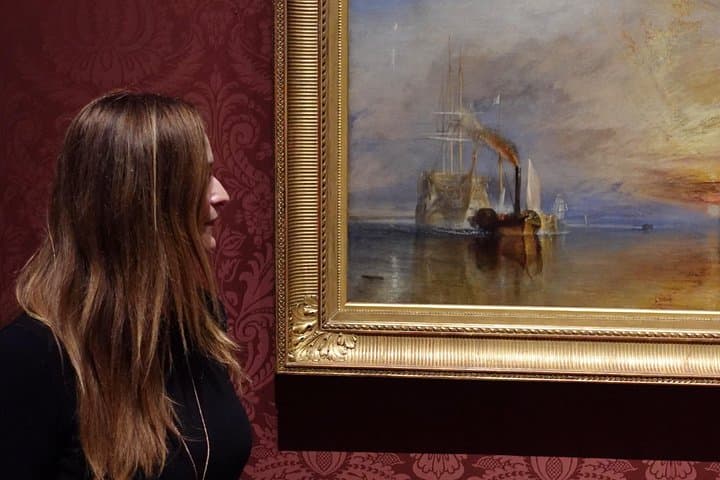
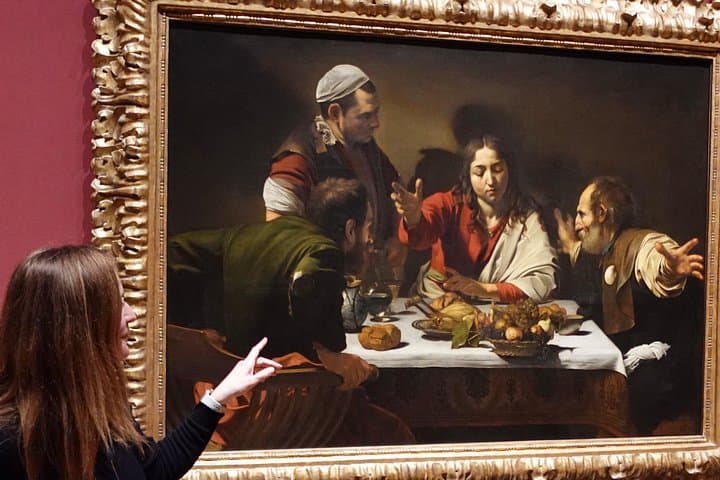
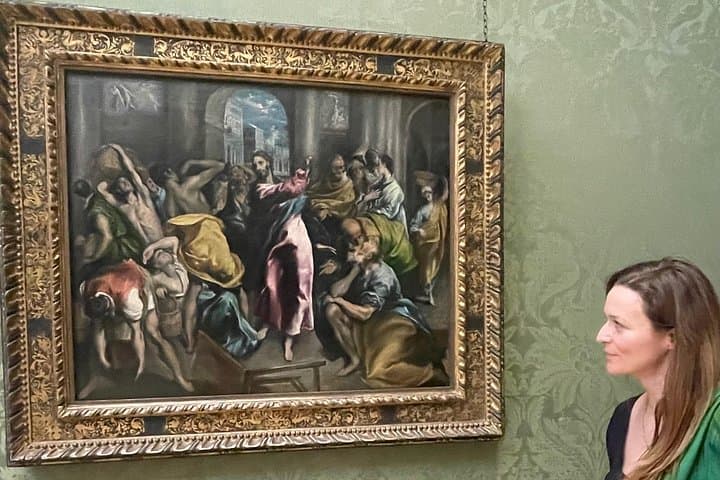
You step off Trafalgar Square into a cool room of oil and varnish, footsteps muffled against the gallery's worn stone floors. Paintings peer back—halos, storms, hands—while a PhD-trained historian guides the light, pausing to reframe a face or to point out a brushstroke that changed art history.
Verified experiences and guided adventures in the surrounding area.
Operated by Valu Arts Tours · London, England
You step off Trafalgar Square into a cool room of oil and varnish, footsteps muffled against the gallery's worn stone floors. Paintings peer back—halos, storms, hands—while a PhD-trained historian guides the light, pausing to reframe a face or to point out a brushstroke that changed art history.
The National Gallery was founded in 1824 to make art public; its William Wilkins façade and Portland stone wings sit opposite Nelson’s Column, anchoring a civic heart that has collected Renaissance altarpieces, Romantic vistas, and Impressionist color. Inside, climate-controlled galleries protect centuries of pigment and canvas; behind the scenes, conservators stabilize coatings and researchers trace pigments to workshops in Florence and Bruges.
This tour balances close looking with context. Expect slow, focused segments on Botticelli, Titian, Caravaggio, Turner, and Monet, with time to interrogate symbolism, patronage, and technique. Private bookings often permit more flexibility—priority entry, tailored pacing, and questions that go deeper than labels.
Practical notes: plan for roughly three hours of standing and walking across multiple rooms; the route is mostly level and wheelchair accessible, but softer footwear helps. Mornings are quieter; luggage and large backpacks are checked. Photography rules vary with special exhibitions—no flash and follow guide directions. Bring questions and a notebook: the historian will layer iconography, provenance, and social history into each work, turning a viewing into a primer on European visual culture.
Yes—the National Gallery has level access routes and wheelchair-accessible areas; notify the operator of accessibility needs when booking.
Photography for personal use is generally permitted without flash in permanent galleries, but temporary exhibitions and specific works may be restricted—follow your guide and posted rules.
Most tours meet at the National Gallery’s main entrance on Trafalgar Square; your confirmation will list the exact meeting point and any check-in instructions.
This experience is best suited to adults and teens 15+; check with the operator about younger visitors and suitable content.
Valu Arts Tours operates guided outdoor trips and adventures with an emphasis on safety, stewardship, and memorable experiences.

You step off Trafalgar Square into a cool room of oil and varnish, footsteps muffled against the gallery's worn stone floors. Paintings peer back—halos, storms, hands—while a PhD-trained historian guides the light, pausing to reframe a face or to point out a brushstroke that changed art history.
You step off Trafalgar Square into a cool room of oil and varnish, footsteps muffled against the gallery's worn stone floors. Paintings peer back—halos, storms, hands—while a PhD-trained historian guides the light, pausing to reframe a face or to point out a brushstroke that changed art history.
The National Gallery was founded in 1824 to make art public; its William Wilkins façade and Portland stone wings sit opposite Nelson’s Column, anchoring a civic heart that has collected Renaissance altarpieces, Romantic vistas, and Impressionist color. Inside, climate-controlled galleries protect centuries of pigment and canvas; behind the scenes, conservators stabilize coatings and researchers trace pigments to workshops in Florence and Bruges.
This tour balances close looking with context. Expect slow, focused segments on Botticelli, Titian, Caravaggio, Turner, and Monet, with time to interrogate symbolism, patronage, and technique. Private bookings often permit more flexibility—priority entry, tailored pacing, and questions that go deeper than labels.
Practical notes: plan for roughly three hours of standing and walking across multiple rooms; the route is mostly level and wheelchair accessible, but softer footwear helps. Mornings are quieter; luggage and large backpacks are checked. Photography rules vary with special exhibitions—no flash and follow guide directions. Bring questions and a notebook: the historian will layer iconography, provenance, and social history into each work, turning a viewing into a primer on European visual culture.