THE ADVENTURE COLLECTIVE® · Independent discovery and booking for outdoor travel

Trace the arc of human invention in three focused hours: from wooden biplanes to moon rocks and early computers. This guided tour highlights the Science Museum’s top exhibits while offering practical tips for timing, accessibility, and making the most of each gallery.
Trace the arc of human invention in three focused hours: from wooden biplanes to moon rocks and early computers. This guided tour highlights the Science Museum’s top exhibits while offering practical tips for timing, accessibility, and making the most of each gallery.
You step off Exhibition Road and the museum’s façade looms like an invitation to examine the world at a new scale—machines that once reshaped cities and fragments of spaceflight that still carry momentum in the mind.
Verified experiences and guided adventures in the surrounding area.
Operated by Tourope UK · London, England
You step off Exhibition Road and the museum’s façade looms like an invitation to examine the world at a new scale—machines that once reshaped cities and fragments of spaceflight that still carry momentum in the mind.
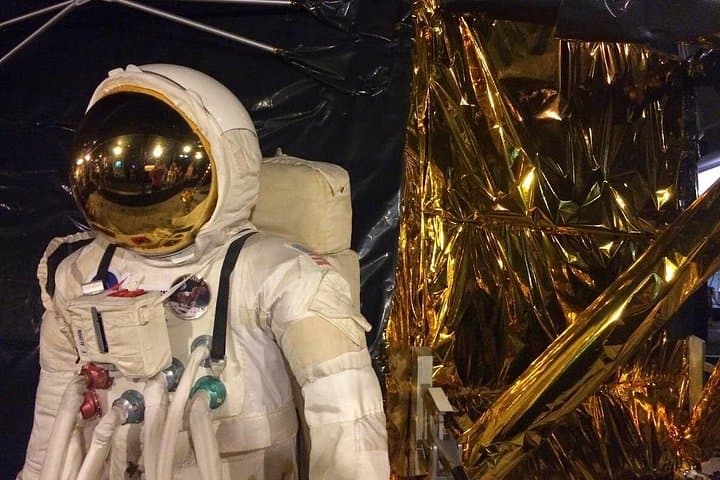
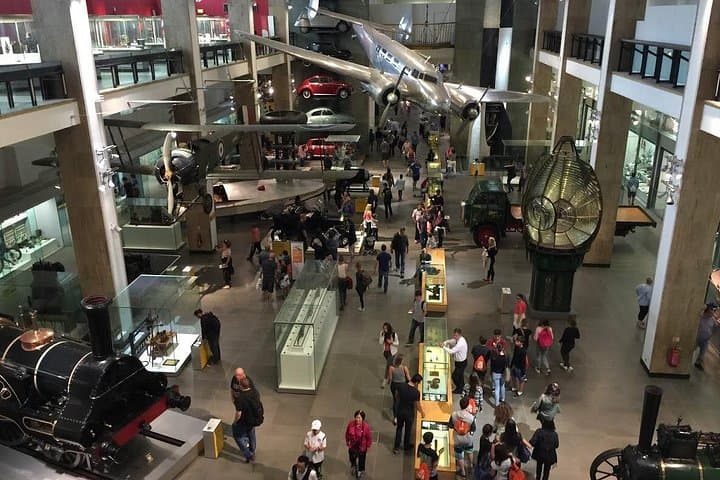
The guided three-hour route moves top-to-bottom, beginning with the history of flight and working back through the Information Age to the hands-on displays that explain how everyday things function. Founded from 19th-century collections split from the Victoria & Albert Museum, the Science Museum now houses over 300,000 objects across multiple floors: Wright-era wood-and-fabric wings side-by-side with full-size engines, a section of Apollo hardware, and early computing devices that map the rise of digital life.
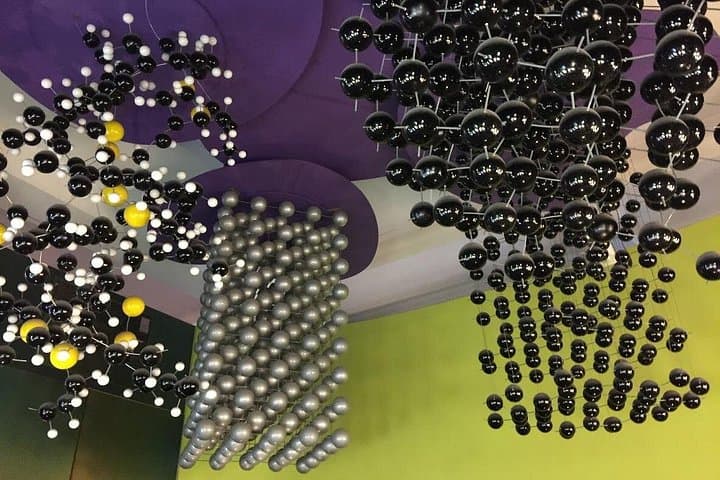
Geology and planetary science surface in the Earth and Space galleries—real moon rock and interpretive displays that explain atmospheric processes—while the Winton Gallery connects mathematics to design and engineering. Culture here is pragmatic: the museum frames invention as social change, from steam power to modern medicine.
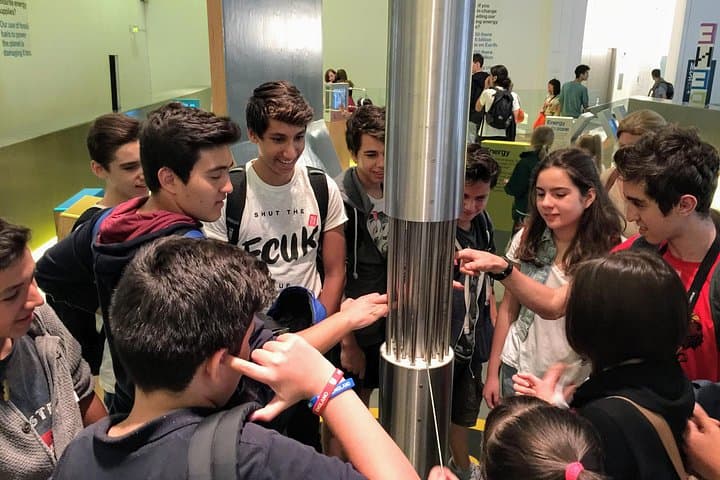
Practical guidance: arrive near opening to avoid school groups and take the guided path to see highlights efficiently. Allow three hours for the official tour; another hour if you want IMAX or the flight simulators. The building is fully accessible, and the café and museum shop sit on the ground floor for a final regroup.
Expect a mix of live demonstration spaces and static exhibits; bring comfortable shoes, a charged phone for photos, and a readiness to slow down at artifacts that shaped modern life.
The guided tour runs for three hours and follows a top-to-bottom itinerary covering major galleries including flight, information technology, and Exploring Space.
Yes—all public areas and surfaces are wheelchair accessible and transportation options nearby are suitable for visitors with mobility needs.
This particular booking is sold as all sales final—check the museum’s general ticketing policies for separate IMAX or event refunds.
Yes—families are welcome; there are play areas like the Garden for younger children and stroller access throughout most galleries.
Tourope UK operates guided outdoor trips and adventures with an emphasis on safety, stewardship, and memorable experiences.
You step off Exhibition Road and the museum’s façade looms like an invitation to examine the world at a new scale—machines that once reshaped cities and fragments of spaceflight that still carry momentum in the mind.
You step off Exhibition Road and the museum’s façade looms like an invitation to examine the world at a new scale—machines that once reshaped cities and fragments of spaceflight that still carry momentum in the mind.
The guided three-hour route moves top-to-bottom, beginning with the history of flight and working back through the Information Age to the hands-on displays that explain how everyday things function. Founded from 19th-century collections split from the Victoria & Albert Museum, the Science Museum now houses over 300,000 objects across multiple floors: Wright-era wood-and-fabric wings side-by-side with full-size engines, a section of Apollo hardware, and early computing devices that map the rise of digital life.
Geology and planetary science surface in the Earth and Space galleries—real moon rock and interpretive displays that explain atmospheric processes—while the Winton Gallery connects mathematics to design and engineering. Culture here is pragmatic: the museum frames invention as social change, from steam power to modern medicine.
Practical guidance: arrive near opening to avoid school groups and take the guided path to see highlights efficiently. Allow three hours for the official tour; another hour if you want IMAX or the flight simulators. The building is fully accessible, and the café and museum shop sit on the ground floor for a final regroup.
Expect a mix of live demonstration spaces and static exhibits; bring comfortable shoes, a charged phone for photos, and a readiness to slow down at artifacts that shaped modern life.